• Skip to primary navigation
  • Skip to main content
  • Skip to primary sidebar
  • Skip to footer
  • Home
  • About
  • Recipes
  • Blog

Mediterranean Diet Recipes

Home » Blog

Blog

July 31, 2023 Diet & Nutrition

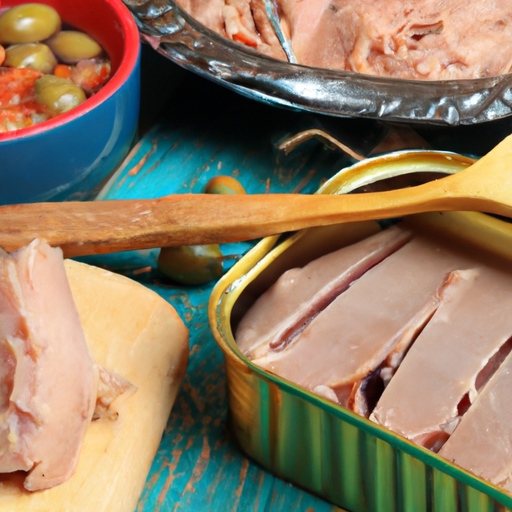
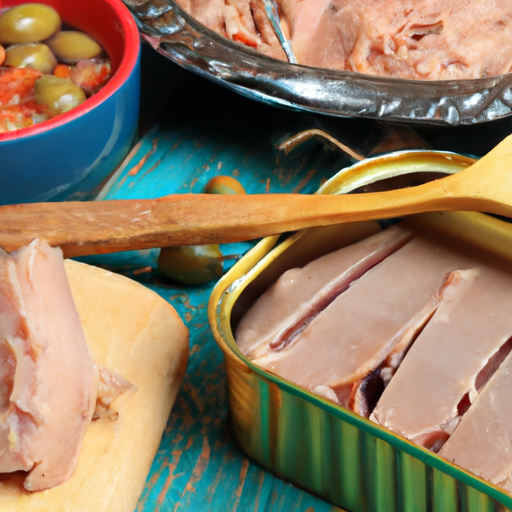
Does Canned Tuna Count On Mediterranean Diet?

So, you’ve been pondering about the Mediterranean Diet and now you’re wondering, does canned tuna count on Mediterranean diet? You’re not alone in this; it’s a common query amongst followers of this popular diet. We’ve all heard about the countless health benefits associated with the Mediterranean Diet, but let’s face it, sometimes the guidelines can leave you with more questions than answers!

Well, allow JD, the father of three and an avid proponent of the Mediterranean Diet, to shed some light on this for you in the upcoming article. Spoiler alert: you are about to delve into a deeper understanding of the Mediterranean Diet’s stance on canned tuna. Not only will you discover the nitty-gritty about this particular foodstuff, but you’ll also gain a broader understanding of the Mediterranean Diet. As a bonus, you will also discover how to incorporate it into your family meals to ensure everyone benefits from this lifestyle. Always remember, sharing high-quality food with family is not just about nourishment, it’s about creating lifelong memories and promoting a healthier lifestyle.
Does Canned Tuna Count On Mediterranean Diet?

Understanding the Mediterranean Diet

Defining the Mediterranean Diet

The Mediterranean diet is a style of eating inspired by the traditional cuisine of countries along the Mediterranean Sea. It is not just a diet, it’s a lifestyle that prioritizes good health, physical activity, quality shared meals with family and friends.

Benefits of the Mediterranean Diet

This diet is renowned for its health benefits and is known to reduce the risk of heart disease, certain types of cancer, Parkinson’s and Alzheimer’s diseases. It improves longevity and leads to better quality life.

Key aspects of the Mediterranean Diet

The Mediterranean diet emphasizes on eating fruits, vegetables, whole grains, beans, nuts, legumes, olive oil, and flavorful herbs and spices. Fish and poultry are consumed in moderate portions on a regular basis. Red meats are eaten less frequently.

General Categories of Foods in Mediterranean Diet

Main Sources of Mediterranean Diet

These primarily include plant-based foods, lean proteins, and healthy fats. A typical meal might include a simple plate of olive-oil drizzled Greek salad with whole-grain bread, or a fiber-rich meal of lentils cooked with vegetables.

Role Played by Fruits and Vegetables

Fruits and vegetables provide essential vitamins and minerals, fiber, and various disease-fighting antioxidants. They are high in fiber, which aids in digestion and keeps you feeling fuller for longer durations.

Importance of Proteins in this diet

Rich protein sources like fish and chicken, alongside legumes and nuts provide the body with essential amino acids and help in overall growth and repair.

Role of Seafood in Mediterranean Diet

Prevalence of Seafood in Mediterranean region

Seafood is a staple part of the Mediterranean diet due to the region’s close proximity to the sea. The abundance of fresh fish, mollusks, and crustaceans play a significant role in this dietary lifestyle.

Health Benefits of Fish

Fish is a lean source of high-quality protein and omega-3 fatty acids which are beneficial for heart health. It lowers blood pressure, reduces risk of heart attacks and strokes.

Popular Types of Fish consumed in Mediterranean Diet

Popular fishes consumed are tuna, mussels, sardines, and salmon which are rich in essential nutrients and minerals.
Does Canned Tuna Count On Mediterranean Diet?

Introduction to Canned Tuna

The Process of Canning Tuna

The process of canning involves cooking the fish, then sealing it in a sterile container before heat sterilization. This allows the food to be preserved for long periods without refrigeration.

Nutritional Value of Canned Tuna

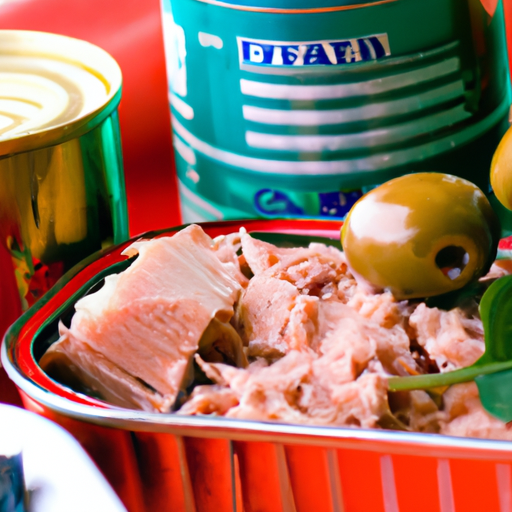
Canned tuna is a good source of crucial nutrients like lean protein, omega-3 fatty acids, vitamins, and minerals.

Comparison Between Fresh Tuna and Canned Tuna

While fresh tuna is highly nutritious, canned tuna still retains a lot of its nutritional value, making it a healthy, convenient choice.

Pros of Including Canned Tuna in a Mediterranean Diet

Nutritional Benefits of Canned Tuna

Canned tuna fits into the Mediterranean diet easily due to its rich protein content and beneficial fats. It is low in calories, rich in vitamin D, and serves as a healthier alternative to red meat.

How Canned Tuna Fits into Mediterranean Diet

Canned tuna’s nutritional profile matches the requirements of the Mediterranean diet, and its easy storage and preparation make it a convenient choice.

Impact on Family Meal Planning with Canned Tuna

With canned tuna in the pantry, preparing a healthy, balanced meal for your family becomes an easier task.

Cons of Using Canned Tuna in a Mediterranean Diet

Challenges with Canned Tuna

The major concern with canned tuna is the risk of mercury contamination. While it is generally safe to consume moderate amounts, it’s crucial to maintain a balanced diet.

Health Disadvantages of Over-reliance on Canned Tuna

Over-reliance on canned tuna can lead to mercury poisoning which can cause serious neurological disorders. It is thus recommended to ensure diversity in protein sources.

Considering Sustainability and Ethical Issues

Overfishing and unethical fishing practices have resulted in declining tuna populations. Opting for brands that are committed to sustainable fishing is a good practice.

Appropriate Usage of Canned Tuna in a Mediterranean Diet

Creating Balanced Meals with Canned Tuna

Canned tuna can be used in a variety of meals like sandwiches, salads, pasta, and casseroles to add proteins to your diet.

Incorporating Variety While Using Canned Tuna

Diversify by using canned tuna in different ways paired with a mix of vegetables, grains, legumes, and spices.

Maintaining Nutritional Integrity with Canned Tuna

By balancing your meals with a variety of ingredients and nutrients, you can ensure canned tuna provides the healthful benefits without overshadowing the overall Mediterranean dietary concept.

Canned Tuna Recipes within the Mediterranean Diet

Simple and Tasty Canned Tuna Recipes

Incorporate canned tuna in Mediterranean recipes like Tuna pasta, Nicoise salad, or Tuna-stuffed bell peppers for a quick family meal.

Sharing Food with Family: Canned Tuna Recipes

Cooking together is a great way to bond with family. Trying out new canned tuna recipes together adds enjoyment to cooking and eating.

Exploring Creative Ways to Use Canned Tuna

It can be used creatively in healthy pizzas, wraps, tacos, and even in baking for a healthier alternative.

Alternatives to Canned Tuna in a Mediterranean Diet

Other Seafoods in the Mediterranean Diet

Apart from tuna, other fish like salmon, mackerel, sardines or shellfish can be included in your Mediterranean diet for variety.

When to Opt for Fresh Over Canned Tuna

While canned tuna is convenient, when you have access to fresh tuna, it will give more flavor and nutritional benefits.

Getting Variety from Other Proteins

Mediterranean diet is also rich in plant-based proteins like chickpeas, lentils, and other legumes that you can include in your meals.

Conclusion

Summarizing the Role of Canned Tuna in the Mediterranean Diet

In conclusion, canned tuna can certainly be a part of your Mediterranean diet. It is loaded with nutrients, quick, and convenient.

Reflecting on the Impact of Balanced Eating

Adopting a balanced eating habit, like the Mediterranean diet, not only contributes to good health but also brings a sense of well-being and fulfillment.

The Greater Picture: Health, Family and Longevity

Maintaining a healthy lifestyle today means having more active, quality time to share with your family in the future. After all, good health is truly priceless.
July 31, 2023 Diet and Nutrition

Is Pita Bread Allowed On Mediterranean Diet?

You may have been wondering, “Is pita bread allowed on the Mediterranean diet?” You’re not alone in this thought. Many individuals interested in adopting a healthier lifestyle and eating habits have asked the same question. It’s indeed an important question because we all know how a warm, fluffy pita bread can enhance the taste of any meal, be it in a sandwich, paired with soups or dips, or even used as a pizza base.

In following articles, you will gain much more insight and learn the details about pita bread and its place in the Mediterranean diet. Is it recommended? How frequently can you include it in your meals? All these questions and more will be thoroughly addressed in a manner that is easy to understand. Remember, the goal is to adopt a balanced lifestyle that enhances your health and vitality while indulging in delicious food that you can enjoy with your family. This is all part and parcel of why JD put together everything present on www.mediterraneandietrecipes.net. So, sit tight, and prepare to embark on a culinary journey that not only enriches your palate but also benefits your health.

Is Pita Bread Allowed On Mediterranean Diet?

Understanding the Mediterranean Diet

The Mediterranean diet; a conversation about this diet almost inevitably sparks interest. It’s a topic that´s perfect for those committed to enhancing their health through diet. But first, let’s explore what this diet represents, to help you fully grasp its essence.

Fundamentals of Mediterranean Diet

The Mediterranean Diet, at its core, is about relishing wholesome foods that are native to countries that border the Mediterranean Sea. It’s not about strict limitation of specific food groups. Rather, it encourages consumption of a vast variety of food-source nutrients.

Characteristics of the Mediterranean Diet

What makes the Mediterranean diet unique? The answer lies in its emphasis on fish, lean meats, fruits, vegetables, whole grains including bread, and healthy fats like olive oil. Not to forget a modest intake of red wine too.

Misconceptions about the Mediterranean Diet

There is a common misconception that the Mediterranean diet only includes exotic or high-cost foods. In reality, the core foods are simple, easily accessible, and can be found in any local grocery store.

Role of Bread in the Mediterranean Diet

Bread! Ah yes, that crusty loaf on your kitchen countertop has a role to play in this diet. However, let’s debunk a myth here. Bread isn’t your dietary villain.

Bread types commonly used

In the Mediterranean diet, bread is typically of the whole grain variety to provide optimal nutrition with every slice.

Why bread is a staple in this diet

Whole grain bread is a great source of fiber and essential minerals; therefore, it is a staple in the Mediterranean diet.

Bread consumption: Moderation vs Excess

However, it’s imperative to remember that portion control is crucial. Excessive consumption, even of whole grain bread, can lead to calorie overload.

Pita Bread: An Overview

One bread type that stands out in this diet is Pita bread.

Origin and history of Pita Bread

Pita bread, or “pocket” bread, hails from the Middle East. It’s known for its unique ability to hold fillings, making it versatile.

Nutritional values of Pita Bread

Pita bread provides an excellent source of protein and is low in fat, making it a healthy option.

Use of Pita Bread in different cultures

Pita bread is loved globally. From the stuffed Greek gyros to the Middle Eastern falafel pockets – it has marked its place in various cuisines.

Is Pita Bread Allowed On Mediterranean Diet?

Inclusion of Pita Bread in The Mediterranean Diet

Pita bread fits right into the Mediterranean diet with its health benefits and versatility.

Pita Bread and its fit in the Mediterranean diet

Pita bread, due to its nutritional profile and flexibility, is a beautiful fit in the Mediterranean diet.

Health benefits of incorporating Pita Bread into this diet

Including pita bread can enhance the fiber and protein content of your meals, leaving you feeling satiated.

Recipes involving Pita Bread in Mediterranean diet

Pita bread is great for stuffing with salad, shredded meat, or even hummus, making it perfect for any Mediterranean-style meal.

A Typical Mediterranean Diet Meal with Pita Bread

Pita bread can be a great addition to your Mediterranean diet meal, but it’s all about balance.

How to prepare a healthy meal with Pita Bread

A healthy meal approach would be stuffing pita pockets with fresh veggies, grilled chicken and a dollop of tzatziki.

Balancing other components of the meal

Remember, a balanced Mediterranean diet meal should also incorporate fruits, lean protein, and healthy fat.

Examples of meals featuring Pita Bread

Think Greek gyros or a simple pita pocket stuffed with homemade falafel balls, cucumbers, and tomatoes drizzled with tahini sauce – they all sound delicious right?

Mediterranean Diet: A Family-Friendly Choice

The Mediterranean diet isn’t only about personal health. It’s about a lifestyle that encourages bonding over quality food.

Encouraging healthy eating habits in the family

Adopting a Mediterranean diet can teach your family the importance of conscious eating habits and nutritional balance.

Sharing quality food: A bonding experience

Nothing beats the joy of sharing a delicious meal with your loved ones. The Mediterranean diet promotes this beautifully.

Child-friendly Mediterranean recipes with Pita Bread

Try out simple recipes like pita pizzas or hummus-stuffed pita pockets – they are quick, nutritious, and kid-friendly!

Mediterranean Diet for Long-Term Health

This diet serves about more than just losing weight – it’s about maintaining health for a lifetime.

Impact of the Mediterranean diet on chronic diseases

Research has shown that a Mediterranean diet can help reduce the risk of chronic diseases like heart disease and diabetes.

Promoting longevity through the Mediterranean diet

The diet can play a significant role in promoting longevity, with diet followers reportedly exhibiting a decreased risk of mortality.

Personal experiences of health improvement

Many people who follow this diet regime have experienced significant improvements in their overall health and vitality.

Converting to the Mediterranean Diet: Tips and Tricks

Ready to jump in? Here are some tips to make your transition smoother.

How to start with the Mediterranean Diet

Initially, start by incorporating more fresh fruits, vegetables, whole grains, and lean proteins to your meals.

Overcoming barriers to adopting this diet

Remember, resorting to the Mediterranean diet isn’t about abrupt change; it’s about making steady, sustainable shifts to your lifestyle.

Maintaining consistency and balance

Maintain consistency in your new diet by cooking at home as often as possible and reducing the intake of processed foods.

The Mediterranean Diet: Beyond just a Diet

The Mediterranean diet is more than just a diet. It’s about a whole new way of life honoring good health and cherishing family time.

The Mediterranean diet as a lifestyle

This diet promotes an active lifestyle, good sleep, and a regular intake of water.

Culture, tradition, and the Mediterranean diet

Along with food, the Mediterranean diet lays emphasis on immersing oneself into the rich Mediterranean culture and tradition.

Environmental contributions of the Mediterranean diet

By promoting plant-based foods and lesser consumption of red meat, the Mediterranean diet also has a lower environmental footprint.

Conclusion: Including Pita Bread in your Mediterranean Diet

Pita bread is a wonderful asset to the Mediterranean diet due to its health benefits and culinary flexibility.

Recap of pita bread’s role in the diet

Pita bread aids in enhancing the diet’s nutritional balance and its ability to offer delicious meals.

Choosing high-quality pita for your meals

Select pita bread made of whole grains for maximum nutritional benefits.

Embracing the enjoyment of sharing nutritious food with loved ones

Including pita bread in your Mediterranean meals can bring smiles to your dinner table and keep your family’s health in check.

So, is pita bread allowed on the Mediterranean diet? The answer is an emphatic yes! It stands as an embodiment of the Mediterranean philosophy of balance, taste, and wholesome nutrition.

Your stomach (and your family) will thank you for allowing pita bread to be a part of your Mediterranean diet journey.

July 31, 2023 Food and Cuisine

What Is A Mediterranean Style Meal?

It seems you’ve been hearing a lot about Mediterranean style meals recently, am I right? Well, it’s no surprise considering all the health benefits associated with this way of eating. So, you might be asking, “what exactly is a Mediterranean style meal?” Quite an intriguing question indeed.

It’s only natural for you to want to learn more. And, in the following article, your curious mind will surely satiate its hunger for answers. You will not only learn what makes a meal “Mediterranean style,” but also uncover the deeply-rooted relationship this diet shares with enhanced health, longevity, and family meal times. Promise, by the end of this journey, you’ll be feeling like a Mediterranean diet aficionado!

What Is A Mediterranean Style Meal?

Understanding the Concept of Mediterranean Style Meal

Major influencers in a Mediterranean style meal

The Mediterranean style meal is a culinary concept inspired by the dietary patterns of countries around the Mediterranean Sea. The diet’s major influencers are Italy, Greece, Spain, and Morocco, among others. These nations’ traditional food habits, cultural practices, and the region’s biodiversity largely shape the Mediterranean meal paradigm.

The core philosophy behind Mediterranean meals

The Mediterranean diet revolves around the philosophy of whole-foods, healthy fats, and an active lifestyle. It is a lifestyle approach to wholesome nutrition, valuing quality over quantity and emphasizing the communal aspect of dining – sharing meals with family and friends.

The Key Components of a Mediterranean Style Meal

The importance of fruits and vegetables

At the heart of a Mediterranean style meal are fruits and vegetables. High in vitamins, minerals, fiber, and antioxidants, these vibrant and diverse food groups form the bulk of the Mediterranean Diet, contributing to its high nutrient density.

The role of healthy fats

Healthy fats, primarily from olive oil, nuts, and seeds, are a significant contributor to the Mediterranean Diet’s health benefits. Research has proved that these fats improve heart health and mitigate harmful inflammation.

Proteins in the Mediterranean diet

The Mediterranean Diet is not devoid of proteins; it merely prioritizes sources. Fresh fish, lean poultry, legumes, and dairy products such as yogurt and cheese are the preferred protein sources.

Spices and condiments commonly used

Herbs, spices, and condiments add vibrant flavors, turning the simplest of ingredients into a feast for your senses. They also contribute valuable micronutrients and beneficial compounds with potent health benefits.

Benefits of the Mediterranean Diet

Health benefits associated with the diet

The Mediterranean Diet is linked to numerous health benefits, from a lower risk of heart disease, type-2 diabetes, Alzheimer’s, and some types of cancer to improved digestion and increased longevity.

The role of the diet in weight management

By prioritizing nutrient-dense, filling, and satisfying foods, the Mediterranean Diet supports a healthy weight. Its emphasis on physical activity and mindful eating also contributes to maintaining a balanced body weight.

Long-term impacts on lifestyle and longevity

One cannot overlook the diet’s impact on lifestyle and longevity. The Mediterranean Diet encourages not only a healthy eating pattern but also emphasizes physical activity and sharing meals with loved ones — all keys to a long and healthy life.

What Is A Mediterranean Style Meal?

Examples of Mediterranean Style Meals

Easy and worthy Mediterranean breakfast ideas

From a simple Greek yogurt parfait with fresh fruits, honey, and almonds to Spanish-style pan con tomate – the options for a Mediterranean breakfast are plentiful and satisfying.

Fulfilling Mediterranean diet lunch meals

A hearty Greek salad for a light lunch or a lentil stew with whole grain bread for a more substantial one – Mediterranean lunch meals are versatile, satisfying, and nutrient-rich.

Ideas for a scrumptious Mediterranean dinner

You can prepare a simple baked fish with olives and tomatoes or a Moroccan vegetable and chickpea stew for a hearty, comforting dinner that’s family-friendly and loaded with beneficial nutrients.

Incorporating a Mediterranean Style Meal into Daily Life

Tips to adapt to a Mediterranean diet lifestyle>

Start small: replace butter with olive oil, processed snacks with fruits or nuts, and add a salad to your meals to gradually adapt to a Mediterranean diet.

Transitioning from a traditional diet to a Mediterranean diet

The transition from a traditional Western diet to a Mediterranean-style diet doesn’t have to be drastic or overwhelming. It’s about making conscious choices one meal at a time, gradually replacing unhealthy options with wholesome Mediterranean alternatives.

How to Plan a Mediterranean Style Meal for the Family

Encouraging kids to adopt the Mediterranean meal style

Getting kids on board can be challenging, but with creativity and involvement, you can encourage them to embrace this healthy eating style. Make meals colorful, involve them in meal preparation, and explore Mediterranean flavors together.

Involve the family in meal preparation

Involving family in meal prep not only lightens your workload but also makes the process fun and fulfilling. This shared experience can boost the family’s understanding and appreciation for healthy, delicious food.

Striking a Balance between Taste and Health

How Mediterranean meals champion taste and nutrition

Mediterranean meals masterfully marry taste and nutrition. With its emphasis on fresh, whole foods, healthy fats, and flavorful seasonings, this diet introduces you to a culinary world where flavor rules and health benefits abound.

Keeping the Mediterranean diet exciting with variety

Variety is the spice of the Mediterranean diet. Every meal can be an opportunity to experiment with new ingredients, recipes, and flavor combinations, keeping your taste buds interested and your diet filled with different nutrients.

Impact of Sharing High-Quality Food with Family

Bolstering family bonds through shared meals

There’s nothing like shared meals to bring families closer. The Mediterranean diet emphasizes this aspect, encouraging family meals that are not only healthy but also a time for bonding and reconnection.

The sentimental value behind the Mediterranean lifestyle

The focus on shared meals and an active lifestyle lends tremendous sentimental value to the Mediterranean diet, making it less of a diet plan and more of a lifestyle choice that revolves around health, happiness, and togetherness.

Challenges and Myths Associated with the Mediterranean Diet

Overcoming misconceptions surrounding the Mediterranean diet

One prevalent misconception is that the Mediterranean diet is expensive and time-consuming. However, with planning and smart choices, it can be both affordable and practical.

Facing possible challenges in adopting the diet

Adopting a new diet always presents challenges. Whether it’s old habits, lack of knowledge, or simply fear of change, remember – every small step you take towards healthier eating habits counts.

Conclusion: Embracing the Mediterranean-style Meal

Reflecting on the benefits and versatility of the Mediterranean diet

The Mediterranean diet unfolds a world of supreme flavors, vibrant colors, and immense health benefits. It’s not just a diet; it’s a lifestyle – a life-enriching, health-boosting, joy-spreading lifestyle that’s easy to embrace and hard to give up.

Personal experiences and final thoughts

As a husband and a father, my journey with the Mediterranean diet has been deeply personal and rewarding. My energy levels, overall health, and familial bonds have strengthened. I sincerely hope that you find as much joy, health, and fulfillment in this culinary adventure as I have. After all, food is not just fuel – it’s life, love, and celebration, all served up on a plate.

July 31, 2023 Food and Cuisine

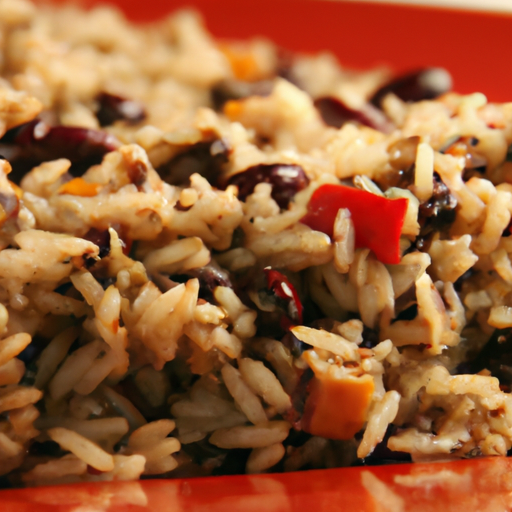
Does Mediterranean Food Include Rice?

So, you’ve found yourself wondering, “Does Mediterranean food include rice?” That’s a great question! It’s quite exciting to delve into the rich diversity of Mediterranean cuisine, isn’t it?

In this upcoming article, you’re in for a real treat. JD is going to take you on a culinary journey through the Mediterranean, shedding light on the role rice plays in its cuisine. As always, focusing on providing well-researched and accurate information, JD will highlight both the health benefits of the Mediterranean diet, and the importance of sharing meals with family. Now, let’s embark on this savory exploration together. Bountiful knowledge awaits in the article ahead to quench your curiosity!

Does Mediterranean Food Include Rice?

Understanding the Basics of Mediterranean Diet

The Mediterranean diet is more than just a diet; it’s a lifestyle steeped in history and culture from the Mediterranean region. Encompassing the dietary habits of people from countries like Italy, Greece, Spain, and southern France, the Mediterranean diet has been praised for its health benefits and delicious flavor combinations.

Significance of Mediterranean Diet

The significance of the Mediterranean diet lies in its focus on nutritious, wholesome foods. The diet primarily includes fruits, vegetables, legumes, whole grains, nuts, and olive oil. Not just that, it advocates moderate consumption of poultry, fish, and dairy, leaving room for occasional indulgence in red meat and sweets.

Health Benefits of Mediterranean Diet

According to numerous studies, following a Mediterranean diet can lead to improved heart health, weight management, and reduced risk of chronic diseases like diabetes and certain types of cancer.

Core Ingredients of the Mediterranean Diet

Fresh fruits, vegetables, olive oil, legumes, and whole grains are the mainstay of the Mediterranean diet. But what about rice? And does it find a place in this wholesome diet? Let’s explore.

Role of Rice in Different Cuisines

Rice, a versatile grain, holds a significant place in numerous cuisines worldwide.

Popularity of Rice Worldwide

From sushi in Japan to pilaf in the Middle East, rice dishes are well-loved all around the globe.

Varieties of Rice Used in Different Cuisines

Each cuisine has its preferred rice variety, thus contributing to the rich diversity of rice dishes. For instance, your favorite paella uses Bomba rice, while sushi calls for short-grain Japonica rice.

Health Benefits and Nutritional Value of Rice

Rice is a great source of energy, delivering essential vitamins and minerals. Whole grain types, particularly, have higher fiber content aiding in digestion and weight management.

Inclusion of Rice in the Mediterranean Diet

So, how exactly does rice fit into the Mediterranean diet?

Frequency of Rice Consumption in Mediterranean Countries

Rice features quite frequently in Mediterranean meals. Spain’s famous paella, Italy’s risotto, and Greece’s pilaf — all testify to the fondness for rice in Mediterranean cuisine.

Type of Rice Preferred in the Mediterranean Diet

Like everything else in this diet, the choice of rice is also wholesome. Whole grain varieties, like brown rice, are often a staple.

Traditional Mediterranean Recipes Involving Rice

Several traditional Mediterranean dishes incorporate rice, demonstrating its role in the diet. These include Italian risotto, Spanish paella, and Greek stuffed vegetables (gemista).

Does Mediterranean Food Include Rice?

Connection between Mediterranean Diet and Family Meals

In Mediterranean culture, food serves as a medium of celebration, and family meals are an important aspect of this tradition.

Importance of Dining Together as a Family

Eating together allows for connection and communication. It encourages mindful eating habits and is a perfect opportunity for parents (like me, JD) to model healthy eating habits.

Incorporating the Mediterranean Diet in Family Meals

In my house, we’ve found that incorporating the Mediterranean diet into our family meals isn’t just healthy; it’s also deliciously satisfying.

Creating Delicious Mediterranean Rice Dishes

There’s nothing like a well-made, wholesome rice dish to top off a family meal. The kids particularly love it when we have Mediterranean rice dishes.

Impact of the Mediterranean Diet on Long-term Health

Mediterranean Diet and Cardiovascular Health

A staple in my family meals, the Mediterranean diet has been linked to better heart health, largely due to its emphasis on ‘good’ fats and ample fruits and vegetables.

Mediterranean Diet and Longevity

Mediterranean nations have some of the longest lifespans. We hope that by incorporating this diet into our lives, we too can reap the benefits of longevity.

Mediterranean Diet and Weight Management

Eating Mediterranean-style has helped keep my family’s weight in check without being restrictive or boring.

Comparing Mediterranean Diet with Other Diets

Mediterranean Diet vs. Western Diet

Unlike the high-fat, high-sugar Western diet, the Mediterranean diet is balanced and emphasizes whole foods.

Mediterranean Diet vs. Asian Diet

Like the Asian diet, the Mediterranean diet is plant-centred, but it uniquely features olive oil as the main source of fat.

Unique Features of the Mediterranean Diet

The Mediterranean diet’s focus on social meals, moderate wine consumption, and use of olive oil sets it apart from other diets.

Promoting the Mediterranean Diet to Children

Creating Kid-friendly Mediterranean Recipes

One way that has worked with my kids is introducing kid-friendly Mediterranean recipes like pizza, pasta, and risotto.

Teaching Children the Benefits of the Mediterranean Diet

It’s never too early to instill good eating habits. Teach your children the benefits of a nutritious diet, and they will pick it up.

Instilling Healthy Eating Habits through the Mediterranean Diet

Mediterranean diet promotes a healthy relationship with food and encourages mindful eating habits.

Author’s Personal Experience with the Mediterranean Diet

JD’s Journey towards a Healthier Lifestyle

With the Mediterranean diet, I’ve found balance, health, and deliciousness – all in one plate.

Incorporation of the Mediterranean Diet in JD’s Family Meals

Incorporating the Mediterranean diet into my family’s meals has been an enriching experience.

Long-term Health Benefits Observed by JD

In the long-term, I have seen some remarkable benefits with significant improvements in overall health and energy levels.

Common Misconceptions about the Mediterranean Diet

Debunking the Myth that Mediterranean Diet Doesn’t Include Rice

Rice is as much a part of the Mediterranean diet as olive oil, fresh vegetables, and whole grains.

Addressing Other Misconceptions about the Mediterranean Diet

The Mediterranean diet is not restrictive. It promotes variety and balance.

Importance of Proper Information about the Mediterranean Diet

Clear, accurate information is crucial in benefiting from the Mediterranean diet fully.

Conclusion

Summary of the Importance of Rice in the Mediterranean Diet

In Mediterranean kitchens, rice finds a rightful place alongside other wholesome ingredients.

Encouragement towards Adopting the Mediterranean Diet

Adopting the Mediterranean diet isn’t just about improving health; it’s about embracing a vibrant, flavor-filled lifestyle.

Final Thoughts on the Long-term Benefits of the Mediterranean Diet

For me, the journey through the Mediterranean diet has been a rewarding experience, and yes, rice has been a delicious part of it! I hope it entices you to delve into it and discover the benefits for yourself.

July 31, 2023 Health & Wellness

Is Mayonnaise OK On Mediterranean Diet?

You’ve probably heard about the widely loved Mediterranean Diet, right? This heart-healthy diet is well known for its focus on whole, minimally processed foods like fruits, vegetables, whole grains, legumes, and healthy fats like olive oil. But here comes the question that you’re probably itching to know: Is mayonnaise OK to include in the Mediterranean Diet?

Well, you’re in the right place to find out! In the forthcoming article, JD, a devoted father of three with a passion for health and wellness, delves deeper into this topic – exploring whether or not mayonnaise can find a place within the Mediterranean Diet. He wholeheartedly believes in sharing high-quality food with family as it nurtures not just the body, but the bond between loved ones. So, get ready to get enlightened and learn more about the role of mayonnaise in the Mediterranean diet. Be prepared for some surprising insights and revelations!

Is Mayonnaise OK On Mediterranean Diet?

Is Mayonnaise OK On Mediterranean Diet?

Understanding the Mediterranean Diet

The Mediterranean diet is celebrated for its flavorful components and commendable health benefits. Rooted in the traditional eating habits of countries along the Mediterranean Sea, it has made significant waves in the world of nutrition and wellbeing.

Key Components of the Mediterranean Diet

The diet primarily consists of a high intake of fruits, vegetables, legumes, fish, whole grains, nuts, and olive oil. It promotes moderate consumption of dairy and poultry, and low intake of red meat and sweets.

Health Benefits Associated with the Mediterranean Diet

This diet is associated with numerous health benefits such as improved heart health, aiding weight loss, and maintaining healthy blood sugar levels. The Mediterranean diet’s rich nature with respect to fruits and vegetables, lean proteins, and good fats make it a potent tool in preventing chronic illness.

Exploring Mayonnaise as a Food Item

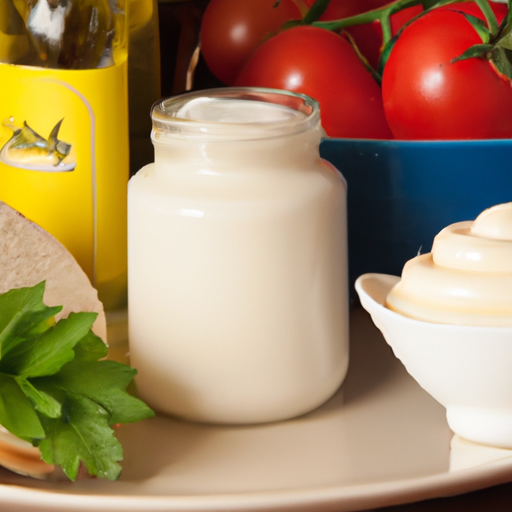
Mayonnaise is a popular condiment made primarily from egg yolks, oil, and vinegar. Despite its ubiquity and versatility in the kitchen, many question its nutritional value.

Nutritional Content of Mayonnaise

Mayonnaise is high in fat, specifically monounsaturated fats which are the ‘good’ fats. It also contains small amounts of Vitamin E and K. However, commercial versions can be very high in calories, saturated fats, and sodium.

Common Usage and Recipes Incorporating Mayonnaise

Mayonnaise is commonly used as a tasty addition to sandwiches, salads, and dips. Various cuisines value its creamy, rich texture and tangy flavor, making it a versatile ingredient worldwide.

Mayonnaise and the Mediterranean Diet

Traditional Mediterranean Diet and Mayonnaise

Mayonnaise, unfortunately, is not traditionally a part of the Mediterranean diet. This culinary staple of the Western world does not factor largely into Mediterranean cuisine, which emphasizes olive oil as a primary source of fat.

Variations within the Mediterranean Diet

However, a variation of the Mediterranean diet could include mayonnaise, provided it is prepared with high-quality ingredients such as olive oil and consumed in moderation.

Is Mayonnaise OK On Mediterranean Diet?

Commercial Mayonnaise and Its Suitability to the Mediterranean Diet

Examining Ingredients of Commercial Mayonnaise

Commercially prepared mayonnaise often includes potentially harmful ingredients such as refined oils, preservatives, and added sugars which do not fall in line with the principles of the Mediterranean diet.

Saturated Fats and Trans Fats in Commercial Mayonnaise

Most brands of commercial mayonnaise come with high amounts of saturated fats that can contribute to cardiovascular issues. They may also contain trans fats, which are even worse for heart health.

Homemade Mayonnaise and the Mediterranean Diet

Opting for Healthier Oils in Homemade Mayonnaise

Everyone loves options, and mayonnaise offers just that. When making homemade mayonnaise, choosing a healthier oil like olive oil aligns with the values of the Mediterranean diet.

Balancing Nutrients in Homemade Preparation

Whipping up your homemade mayonnaise gives you control over your ingredients. You can subtract the unnecessary additives and maintain a balance of nutrients while enjoying the same creamy texture and delicious taste.

Alternatives to Mayonnaise for the Mediterranean Diet

Beneficial Fats from Avocado and Olive Oil

Nutrient-rich foods like avocados and olive oil provide beneficial fats and can serve as excellent mayonnaise substitutes.

Taste Substitutes: Yogurt, Mustard and Hummus

These alternatives can offer similar flavors and consistencies to mayonnaise while aligning more closely with the principles of the Mediterranean diet.

Incorporating Mayonnaise into the Mediterranean Diet Responsibly

Promoting Moderation in Consumption

If you’re a fan of mayonnaise, there’s no need to completely abandon it while on the Mediterranean diet. The key lies in moderation and opting for healthier, homemade versions.

Pairing Mayonnaise with Other Mediterranean Foods

Mayonnaise can be mixed with Mediterranean diet-friendly foods such as salads, grilled fish or whole grain sandwiches, as long as it is used thoughtfully and sparingly.

The Impact of Mayonnaise on the Health Goals of the Mediterranean Diet

Mayonnaise and Heart Health

Processed mayonnaise can impact heart health negatively due to its high saturated fats content. However, a homemade version with olive oil can offer heart-friendly monounsaturated fats.

How Mayonnaise Can Affect Weight Management

Too much mayonnaise can lead to weight gain due to its high calorie content. However, under a controlled, moderate consumption, it can be part of your diet without jeopardizing your weight management goals.

Personal Stories: JD’s Experience with Mayonnaise in a Mediterranean Diet

JD’s Initial Take on Mayonnaise in His Diet

JD has always loved the creamy texture and rich flavor of mayonnaise but was initially hesitant about including it in his diet given its high-fat content.

JD’s Discoveries and Adjustments Incorporating Mayonnaise

He discovered that by making homemade mayonnaise with olive oil, he could enjoy its unique taste while upholding the principles of the Mediterranean diet. Hence, mayonnaise became part of his diet, but with moderation and adjustments.

Conclusions: Mayonnaise and the Mediterranean Diet

Reconciling Love for Mayonnaise with a Healthy Diet

By replacing processed mayonnaise with a healthier homemade option and controlling the quantity consumed, mayo lovers can still enjoy their favorite condiment while adhering to a Mediterranean diet.

Taking Charge of Your Health and Your Diet Choices

JD wants to convey that everyone can take charge of their health by choosing wholesome, fresh ingredients over processed variants and consuming them in a thoughtful, balanced manner in a bid to relish food while maintaining vitality. Balance and moderation are key. Whether it’s a scoop of mayonnaise or a slice of cake, a sustainable way of eating allows for indulgence, within bounds.

Remember, the goal is to enjoy food with family, celebrate good health, and create lasting memories around the dining table. It’s not just about being present, but being healthy, active, and engaged. Even if the food is merely a supporting character in this narrative, what we choose to eat can truly dictate the course of our health and our lives.

July 31, 2023 Health & Fitness

What Sandwich Meat Is On The Mediterranean Diet?

Did you know that the Mediterranean diet isn’t just about fresh fruits and vegetables, but it also includes a wide range of sandwich meats? Believe it or not, this heart-healthy diet can encompass some of your favorite deli selections, making it a delicious and versatile choice for improving your health while still enjoying the foods you love.

In this article, JD delves into the different types of sandwich meats that truly align with the Mediterranean diet distinctions. You’ll learn how these meats can easily be incorporated into your daily diet without adding unnecessary fats or calories. More importantly, you’ll discover how these nutritious choices can positively impact your health, allowing you to remain fit and active for your children. JD would love for you to experience how high-quality food can exponentially enhance your family meals and gatherings. So get ready for a culinary journey that promises to be both delicious and beneficial!

What Sandwich Meat Is On The Mediterranean Diet?

Understanding the Mediterranean Diet

Definition of the Mediterranean Diet

The Mediterranean diet is a heart-healthy eating style that emphasizes various nutrient-rich foods. It is inspired by the traditional food consumed by the people living around the Mediterranean Sea, particularly Greece, Italy, and Spain.

Key Elements of the Mediterranean Diet

The Mediterranean diet involves a large intake of fruits, vegetables, whole grains, seeds, legumes, and olive oil. It promotes moderate consumption of lean proteins like poultry, fish, and dairy, while encouraging limited intake of red meat and sugary treats.

Health Benefits of the Mediterranean Diet

Adopting a Mediterranean diet comes with numerous benefits. It contributes to heart health, aids in weight management, and even reduces the risk of chronic diseases such as diabetes and cancer. It is also linked to improved mental health and longevity.

Role of Meat in the Mediterranean Diet

Importance of Lean Meat

Lean meat serves as an excellent source of protein in the Mediterranean diet. It provides essential amino acids, vitamins, and minerals that support various bodily functions.

Portion Sizes in Mediterranean Diet

Remember, moderation is key in the Mediterranean diet. Ensure your plate is fairly balanced, with vegetables making up half the plate, lean protein a quarter, and starchy carbs the remaining quarter.

Balancing Meat Consumption with Other Nutrients

While meat is a valuable source of protein, it’s important not to overload your plate with it. Balance meat with plenty of plant-based protein sources, whole grains, and a rainbow of fruits and vegetables.

Popular Mediterranean Diet Sandwich Meats

Chicken and Turkey

These lean proteins are a staple in the Mediterranean diet. They’re low in fat yet high in protein, making them excellent sandwich fillers.

Lean Beef

Lean beef is a permissible treat in the Mediterranean diet. It’s ideally served in moderation, once or twice a week.

Fish and Seafood

Fish and seafood, particularly fatty fish, are key elements in the Mediterranean diet due to their high omega-3 fatty acid content.

What Sandwich Meat Is On The Mediterranean Diet?

Exploring Chicken and Turkey in the Mediterranean Diet

Nutritional Value of Chicken and Turkey

Chicken and turkey provide a good amount of lean protein, vitamins B6 and B12, niacin, and selenium. These nutrients are essential for maintaining heart health and strengthening the immune system.

Ways to Include Chicken and Turkey in Sandwiches

Chicken and turkey can be roasted, grilled, or poached for sandwiches. You can pair them with a variety of ingredients like fresh veggies, olives, and feta.

Delicious Mediterranean Diet Recipes with Chicken and Turkey

Try a Greek chicken wrap filled with grilled chicken, cucumber, tomato, and Tzatziki sauce. Or perhaps a Mediterranean turkey sandwich with olive tapenade and feta cheese.

Unveiling the Role of Lean Beef in the Mediterranean Diet

Nutritional Information of Lean Beef

Lean beef is a good source of protein, iron, and vitamin B12, which promotes a healthy nervous system and ensures healthy blood cells.

Incorporating Lean Beef in Sandwiches

You can incorporate lean beef into your sandwiches by making lean beef burgers, roast beef sandwiches, or beef wraps with plenty of vegetables.

Mediterranean Diet Recipes with Lean Beef

A Mediterranean-inspired lean beef burger with cucumber yogurt sauce can be a delicious treat. Roast beef on whole grain bread with hummus and veggies is also a tasty option.

Discover the Benefits of Fish and Seafood

Fish and Seafood: Powerhouse of Omega-3 Fatty Acids

Fish and seafood are rich in omega-3 fatty acids, known for their heart-healthy properties. They also wield anti-inflammatory effects, which may help in fighting chronic diseases.

Utilizing Fish and Seafood in Sandwiches

Tuna or smoked salmon can make for flavorful fish sandwiches. Add in fresh greens, and drizzle with olive oil for a touch of extra flavor.

Seafood-based Sandwich Recipes in the Mediterranean Diet

Experience the taste of the Mediterranean sea with a classic tuna salad sandwich or a smoked salmon bagel with cream cheese and fresh herbs.

Optimizing Your Diet with Meat Alternatives

Benefits of Plant-based Proteins

Plant-based proteins offer a good balance of protein, fiber, and other nutrients. They have a lower environmental footprint and are linked with lower risks of chronic diseases.

Tips to Replace Meat with Plant-Based Alternatives

Legumes, tofu, tempeh, and seitan can serve as fantastic plant-based protein sources in your sandwiches. Complement these with lots of fresh vegetables and whole grains for a balanced meal.

Tasty Sandwich Recipes with Plant-Based Proteins

Try a chickpea salad sandwich or a hummus and vegetable wrap. These are not only delicious but also extremely nutritious and fulfilling.

Serving Healthy Sandwiches: The Mediterranean Way

Choosing the Right Bread

Choose whole grain breads. They are higher in fiber and provide better satiety than white bread. Plus, they offer valuable nutrients like B vitamins and minerals.

Incorporating Fresh Vegetables and Fruits

Bulk up your sandwiches with fresh, colorful veggies and fruits. Not only do they add volume and texture, but they also boost the sandwich’s nutritional profile.

Adding Healthy Oils and Spreads

Opt for spreads such as hummus, tzatziki, or tapenade. When it comes to oil, olive oil is a staple in the Mediterranean diet due to its heart-healthy monounsaturated fats.

Teaching Kids to Love the Mediterranean Diet

Introducing Healthy Sandwiches to Kids

Start by introducing simple sandwiches with a few healthy ingredients. As their taste buds adjust, incorporate more variety like different veggies, proteins, and spreads.

Making Meal Times Fun and Nutritious

Utilize vibrant colors and shapes to make meal times more engaging for kids. Furthermore, involve them in meal preparation to foster curiosity and appreciation for healthy foods.

Cultivating a Culture of Healthy Eating at Home

It’s important to model good eating habits for your children from a young age. Make meals a family affair and instill in them the importance of balanced nutrition.

Conclusion: Embrace the Mediterranean Way of Life

Transforming Your Diet Step-by-Step

Switching to a Mediterranean diet need not be a drastic change. Take small steps like simply adding more fruits, vegetables, and whole grains to your meals.

Enjoying the Journey to Health with Family

Remember, the goal is not just about following a diet but embracing a lifestyle. Share the journey with your loved ones for a more impactful experience.

The Long-Term Impact of the Mediterranean Diet on Health and Well-being

The Mediterranean diet has impressive long-term benefits. By adopting this lifestyle, you’re investing in your own health and the health of your loved ones. Embrace this path to a healthier, happier future.

July 31, 2023 Health & Wellness

Can You Eat Avocados On The Mediterranean Diet?

“You’re probably wondering, “Can I really indulge in avocados while on the Mediterranean diet?” It’s a question we get a lot, especially considering how popular these creamy, green fruits have become. Straight up, everyone wants to know if they can still enjoy their avocado toast while adhering to this healthy eating plan.

Well, you’re in luck! This article is just what you need. Not only does it delve into whether or not avocados fit into the Mediterranean diet, but it also provides more in-depth knowledge about the entire diet itself. You’ll surely find a lot more than just yes/no answers—in fact, you could find yourself being somewhat of a Mediterranean diet expert after giving it a read. So, settle in for some enlightening, delicious, and family-friendly food insights. It’s all about living that healthy, flavorful life while enjoying meals with the ones you love.

Can You Eat Avocados On The Mediterranean Diet?

Understanding the Mediterranean Diet

What is the Mediterranean Diet?

The Mediterranean diet is a dietary lifestyle that promotes the consumption of plant-based foods, lean meats, and healthy fats. Inspired by the traditional eating habits of the Mediterranean countries, you can enjoy a wide range of fruits, vegetables, whole grains, and legumes, seasoned with fragrant herbs and spices, in this diet.

Principles of the Mediterranean Diet

At the heart of the Mediterranean diet are the core principles that emphasize healthy plant-based foods, moderate amounts of lean meats, and the incorporation of exercise into daily routine. This diet focuses on food fresh from the farms instead of the processed variety. It encourages the use of olive oil as a major source of healthy monounsaturated fats, and population studies link it to lower levels of heart disease.

Health Benefits of the Mediterranean Diet

This diet offers remarkable health benefits. It may reduce your risk of major life-threatening diseases such as heart disease, cancer, Parkinson’s and Alzheimer’s. Its anti-inflammatory and antioxidant effects can support improved digestion, increased energy levels, and better heart health.

Avocados in the Mediterranean Diet

Benefits of Avocados

Avocados, often labeled as superfoods, pack a nutritional punch. They are high in healthy fats that can reduce the risk of metabolic syndrome and cardiovascular diseases. They are a good source of dietary fiber, essential vitamins, and minerals too.

Is Avocado a Mediterranean food?

Though avocados are not traditionally Mediterranean, they are a great addition to the Mediterranean diet due to their high monounsaturated fat content, similar to olive oil.

Ways to Incorporate Avocados in the Mediterranean Diet

Incorporating avocados into your diet can be simple. Make a delicious guacamole, add them to salads, sandwiches, or blend them into your smoothies. They can also replace less healthy fats in baking.

The Creamy Green Superfood – Avocado

Avocado – Nutritional Facts

A single serving of avocado provides substantial amounts of Vitamin K, Vitamin C, Vitamin E, and Vitamin B-5. They also contain more potassium than bananas.

How Avocados Promote Health

Avocados are known for boosting digestion, improving heart health, and assisting in weight management. The high fiber content supports digestion, while its monounsaturated fats contribute to heart health.

Avocados and Heart Health

Avocados are rich in heart-healthy monounsaturated fats which can lower bad cholesterol levels, reducing the risk of heart disease and stroke.

Can You Eat Avocados On The Mediterranean Diet?

Family and the Mediterranean Diet

Importance of Sharing Meals with Family

Sharing meals as a family fosters a sense of love and unity, and it provides an opportunity for conversation. The Mediterranean diet, with its emphasis on shared meals, can promote closer family bonds.

How the Mediterranean Diet Encourages Family Time

In Mediterranean culture, mealtime is family time. The diet promotes cooking meals at home, allowing the entire family to get involved in the preparation process providing an opportunity for developing healthier eating habits.

Getting Children Involved in the Mediterranean Diet

Encourage your children to participate in cooking. Let them help with tasks suitable to their age. This can lay the foundation of healthy eating habits very early in their life.

Avocados – Part of a Balanced Diet

Balancing Caloric Intake with Avocados

Avocados, being calorie-dense, beneficial fats, and nutrients, can leave you feeling satiated, reducing the urge to snack, helping to maintain a balanced caloric intake.

Macro and Micro Nutrients in Avocados

Avocados contain both macro and micronutrients. They offer healthy fats, fiber (macronutrients), and are a source of vitamins and minerals (micronutrients).

Avocados and Dietary Fiber

Dietary fiber is essential to ensure digestive health. Avocados, being rich in fiber, can support your gut health when included in your diet.

Recipes Incorporating Avocado in the Mediterranean Diet

Avocado Salads

Adding avocados to your salad can enhance its flavor and nutritional value. You can create a wholesome meal with mixed greens, avocados, olives, tomatoes, and feta cheese.

Avocado in Main Dishes

Think beyond salads – avocados can add creaminess to pasta sauces or a nutritious twist to your pizzas. Avocado slices can also be a healthy topping for grilled chicken or fish.

Healthy Avocado Snacks

From avocado toast to dips and spreads, the options for snacks are numerous. Try an avocado hummus or use avocados as a healthy spread on whole grain bread.

Ageing and Avocados in the Mediterranean Diet

Avocados and Longevity

The nutrient-rich avocados, combined with the proven benefits of the Mediterranean diet, can support healthy aging and longevity.

Eating Avocados for Active Lifestyle

Avocados are energy-dense, providing necessary fuel for an active lifestyle. They also contribute significantly to muscle growth and repair.

Avocados and Sustainable Eating

Promoting Sustainable Farming Practices

Try to source avocados from local farms that follow sustainable agricultural practices. This supports local farmers and promotes a healthy eco-system.

Avocados and Local Foods

When avocados are in season, make the best use of this superfruit by incorporating them in a variety of dishes. Adding local foods resonates with the principles of the Mediterranean diet.

Environmental Impact of Avocado Production

While avocados are beneficial health-wise, it’s also important to consider the environmental footprint their cultivation can leave behind. Therefore, buy responsibly, prioritizing locally grown produce.

Mitigating Potential Allergies and Intolerances

Common Avocado Allergies

Although uncommon, some people can exhibit allergic reactions to avocados. If you notice any unusual symptoms after consumption, consult with a healthcare provider.

How to Safely Introduce Avocados to Your Diet

Start with small portions and monitor your body’s response. If there are no adverse reactions, gradually increase your intake.

Alternatives to Avocados in the Mediterranean Diet

If you can’t consume avocados, you still have plenty of healthy options in the Mediterranean diet like olive oil, which is high in monounsaturated fats.

Conclusion – Avocados in the Mediterranean Diet

The Tasty Superfood – Avocado

In conclusion, avocados can be a tasty and nutritious addition to the Mediterranean diet. Their creamy texture and mild flavor make them versatile to blend into any dish.

Avocados and a Healthy Lifestyle

Including avocados in your diet can contribute significantly to achieving a healthy lifestyle. Whether you enjoy them in salads or main dishes, their potential health benefits are far-reaching.

Incorporating Avocados to The Mediterranean Diet

When it comes to the Mediterranean diet, avocados fit right in. Their rich nutrients promote heart health and longevity, all while satisfying your palate. So, yes, you can definitely eat avocados on the Mediterranean diet. Healthy and delicious, this creamy green superfood is just waiting for you to take a bite!

July 31, 2023 Health & Fitness

How Often Can You Eat Yogurt On Mediterranean Diet?

Ever wondered just how often you can eat yogurt while on the Mediterranean diet? Well, we’re here to answer that burning question and give you the inside scoop. The answer might just surprise you and satiate your yogurt-loving taste buds.

Packed with a treasure trove of information, the upcoming article delves deep into the world of Mediterranean diet and yogurt consumption. Stay tuned to learn more about your beloved yogurt, its place in the Mediterranean diet and how it contributes to a nourishing and balanced lifestyle. Now, how’s that for a healthy dose of knowledge, right? All of this while emphasizing the importance of enjoying high quality food, just like how our dear JD enjoys with his family. Every mouthful matters, after all!

How Often Can You Eat Yogurt On Mediterranean Diet?

Understanding the Mediterranean Diet

Searching for a diet that offers various health benefits and is delectably satisfying at the same time? Look no further than the Mediterranean diet!

Mediterranean Diet Basics

The Mediterranean diet is a lifestyle approach to healthy eating based on the traditional cuisine of countries bordering the Mediterranean Sea. It’s more than just food choices, it’s about the way of life; emphasizing active, healthy eating and communal meals.

Key Components of Mediterranean Diet

The Mediterranean diet is abundant in fruits, vegetables, whole grains, legumes and olive oil. Fish, poultry, dairy products like yogurt, and wine are consumed in moderate to low amounts while red meat is limited. This diet emphasizes diversity, taste, and texture, making it a delight for your taste buds.

Role of Yogurt in the Mediterranean Diet

Yogurt has an essential position in the Mediterranean diet since it’s consumed almost daily.

Nutritional Value of Yogurt

Yogurt is a significant source of protein, calcium, magnesium, and vitamin B12. It also contains probiotics which encourages a healthy gut.

Types of Yogurt Consumed in Mediterranean Countries

Greece’s thicker, creamier yogurt gets the most recognition. But other countries like Turkey and Lebanon also consume yogurt regularly in many forms including yogurt drinks and yogurt-based sauces.

Health Benefits Of Consuming Yogurt

Besides being delicious, yogurt offers numerous health benefits.

Yogurt and Gut Health

Yogurt contains beneficial bacteria known as probiotics. These live microorganisms can improve digestion and strengthen your immune system.

Yogurt for Weight Management

Yogurt gives a feeling of fullness that can help to control your appetite and overall calorie intake.

Yogurt for Bone Health

Rich in calcium and vitamin D, yogurt contributes to bone health and staves off conditions like osteoporosis.

How Often Can You Eat Yogurt On Mediterranean Diet?

Importance of Moderation in Mediterranean Diet

Even when consuming healthy foods like yogurt, moderation is key.

Eating Yogurt in Moderation

While yogurt offers many health benefits, it’s important to stick to moderation. Consuming it in excess might lead to too much sugar and calorie intake, depending on the type of yogurt.

Understanding Portion Sizes for Yogurt

One serving of yogurt is typically 6 to 8 ounces. Aim for 1-3 servings per day as part of a balanced diet.

Incorporating Yogurt into Your Mediterranean Diet

There are many ways to include yogurt in your daily diet.

Making Yogurt a Part of Your Breakfast

Top whole grain cereal or whole grain toast with yogurt and fresh fruits.

Healthy Snacking with Yogurt

Swap out unhealthy snacks for yogurt. Add a spoonful of honey, nuts, or fresh fruits for added flavor and nutrients.

Cooking with Yogurt: Mediterranean Recipes

From creamy sauces to refreshing drinks, yogurt can be used in a variety of Mediterranean recipes.

Case Study: Yogurt Consumption Among Mediterranean Populations

Yogurt is a dietary staple in many Mediterranean regions.

Greek Yogurt Eating Habits

In Greece, it’s traditional to consume yogurt for breakfast and as a snack. It’s either eaten plain or flavored with fruit or honey.

Yogurt Consumption in Other Mediterranean Regions

In regions like Turkey, yogurt is used as an ingredient in many dishes, drinks, and sauces.

Tips for Choosing the Right Yogurt

Choosing a healthy yogurt at your local grocery can be a daunting task.

Choosing Plain Yogurt Over Flavored

Plain yogurt is ideal as flavored versions can contain high levels of sugar.

Understanding Food Labels when Buying Yogurt

Check nutrition labels for ingredients. Look for yogurts that contain live or active cultures.

The Role of Yogurt in Family Nutrition

Adding yogurt to your family’s diet can be beneficial and enjoyable.

Yogurt: A Kid-Friendly Food

With its smooth texture and mild flavor, yogurt is often a favorite among children.

Sharing High-Quality Food with Family

Eating meals together as a family strengthens the bond between family members and encourages healthy eating habits.

Yogurt Alternatives for Dairy-Free Diets

There are options available for those who are lactose intolerant or follow a vegan diet.

Plant-Based Yogurts

These yogurts use alternative milk sources such as almond, soy, or coconut milk.

Homemade Non-Dairy Yogurt

Making your own non-dairy yogurt at home allows you to control the ingredients.

Conclusion: Yogurt in the Mediterranean Diet

The Mediterranean diet offers flexibility and an array of delicious choices. Yogurt, when consumed in moderation, can provide various health benefits.

Balancing Your Diet with Yogurt

Adding yogurt to your diet can improve your nutrition without making you feel deprived.

The Importance of Variety in the Mediterranean Diet

Varied food choices ensure that you get a broad spectrum of nutrients. So, go ahead and dive into the Mediterranean diet, try that yogurt recipe you’ve been eyeing, your health and taste buds will thank you!

July 31, 2023 Health and Nutrition

How Often Can You Eat Yogurt On The Mediterranean Diet?

You’ve probably been wondering, “how often can I eat yogurt on the Mediterranean diet?” Well, you’re not alone. Many people following this nutrient-rich eating plan, known for its favorable impacts on longevity and wellbeing, find themselves pondering the same question. After all, who doesn’t love a good creamy and refreshing bowl of yogurt loaded with fruits and nuts!

In the following article, we’re going to unravel this for you. Get ready to dive into the tasteful world of Mediterranean diet and see where yogurt fits in this picture. You’ll learn more about how regularly you should be incorporating this dairy delight into your meals, plus get the scoop on why it’s such a brilliant addition to your diet. By understanding the balance and variety embodied in the Mediterranean lifestyle, you’ll be able to enjoy your favorites while still maintaining your health goals and sharing high-quality food with your family.

How Often Can You Eat Yogurt On The Mediterranean Diet?

Understanding the Basics of the Mediterranean Diet

Brief Overview of the Mediterranean Diet

The Mediterranean diet is primarily plant-based, emphasizing fruits, vegetables, whole grains, legumes, and nuts. It includes the moderate use of poultry, eggs, cheese, and yogurt. Unlike most Western diets, red meat is rarely consumed. Instead, fatty fishes are a staple, providing omega-3 fatty acids. Olive oil replaces butter, and herbs and spices provide flavors rather than salt.

Core Principles of Mediterranean Eating

At the core of Mediterranean diet is long-lasting moderate eating, between meals you can enjoy fresh fruits, nuts or yogurt. Saturated fats, trans fats, and added sugars are minimized, replaced by natural, nutrient-rich foods. Regular exercise is also a core principle.

Benefits of the Mediterranean Diet

Research confirms that following a Mediterranean diet reduces risk of heart disease and brings other health benefits, such as reducing the risk of Alzheimer’s disease, diabetes, certain types of cancer, and obesity.

Role of Dairy in the Mediterranean Diet

How Dairy is approached in the Mediterranean Diet

Unlike other diets, dairy is selectively chosen in the Mediterranean diet. Yoghurt and cheese are common, while milk is usually consumed unsweetened or fermented.

Which Dairy Products are Encouraged

Those encouraged are typically lower in saturated fats. Choices include skim milk, low-fat yoghurt, and cheese.

Health Benefits of Dairy in the Mediterranean Diet

Dairy products provide essential nutrients such as calcium, potassium, vitamin D and protein. They’re also beneficial for bone health, immune function, and weight management.

Understanding Yogurt’s Place in the Mediterranean Diet

Importance of Yogurt in Mediterranean Cuisine

For millennia, yogurt has been vital in Mediterranean cuisine. Consumed plain, as a side, or used in dishes, it provides a creamy texture and tart flavor.

Health Benefits of Including Yogurt in Diet

Just a single cup provides beneficial bacteria, improves digestion, enhances immunity, and provides essential nutrients including vitamin B12, calcium, magnesium, and protein.

Types of Yogurt Preferred in the Mediterranean Diet

The most preferred is plain Greek yogurt, which is thicker and creamier than regular yogurt, with less sugar and higher protein content.

How Often Can You Eat Yogurt On The Mediterranean Diet?

Frequency of Yogurt Consumption in the Mediterranean Diet

Recommended Frequency for Yogurt Consumption on Mediterranean Diet

On the Mediterranean diet, yogurt can be enjoyed as a snack, side or recipe ingredient daily.

Factors that Influence Yogurt Consumption

Factors include taste preference, dietary goals, health status, and availability of fresh yogurt.

Interpreting Yogurt Serving Sizes

A typical serving is one cup. If the yogurt is used in recipes, it’s usually in moderation to balance other recipe components.

Benefits of Consuming Yogurt Regularly

Importance of Probiotics in Yogurt

Probiotics beneficially affect your gut flora, improving its function and your overall digestive health.

Yogurt and Digestive Health

Regular consumption helps to maintain gut health, potentially reducing discomfort from conditions like irritable bowel syndrome.

Yogurt as a Source of Essential Nutrients

It contributes to your daily needs for key nutrients, enhancing overall nutrient intake and overall health.

Alternative Ways to Incorporate Yogurt in the Mediterranean Diet

Using Yogurt in Mediterranean Recipes

Yogurt can be used in various recipes, such as marinades, salads, and dips.

Converting ‘Unhealthy’ Dishes into Healthier Alternatives with Yogurt

Swap high-fat ingredients like mayonnaise and sour cream with yogurt in dishes to reduce calories and add nutrients.

Yogurt-based Drinks and Snacks on the Mediterranean Diet

Yogurt smoothies with fruit and herbs are refreshing; yogurt parfaits with fresh fruit and nuts make a wonderful snack or dessert.

Yogurt and Family Health

Role of Yogurt in Children’s Nutrition

Yogurt provides essential nutrients children need for growth and development. It’s also an excellent vehicle for introducing fruits and vegetables into your child’s diet.

Yogurt as a Staple for Family Meals and Snacks

Having yogurt as part of your family’s meals will foster a liking for it in the younger members, making it easy to instill good habits for healthy living.

Building Memories around Yogurt-Rich Recipes

Communicating the importance of healthful eating to children can create lifelong memories around the kitchen and dining table. Serving dishes prepared with yogurt can initiate warm family conversations about its benefits.

Common Misconceptions about Yogurt in Diet

Dealing with Yogurt Misinformation

There may be claims that all yogurt is the same. It’s crucial to identify those with added sugars, artificial flavors, and preservatives, which provide less nutritional benefit.

Common Mistakes When Including Yogurt in Diet

Avoid choosing flavored yogurt with added sugars. Stick to pure, Greek, or natural yogurt and add your own fresh fruits or nuts.

Choosing the Right Type of Yogurt

The right yogurt is high in protein, low in sugar, and contains live active cultures. Greek yogurt is a great choice as it fits all these characteristics.

Practical Tips for Including Yogurt in the Mediterranean Diet

Shopping for the Right Type of Yogurt

Select plain yogurt over flavored ones, read labels carefully, and opt for those with live active cultures.

Storing and Preserving Yogurt

Yogurt is best consumed fresh but can be stored in the refrigerator for 1-2 weeks. Once opened, it should be consumed within a week.

Avoiding Over-consumption of Yogurt

Despite its benefits, portion control is crucial. Stick to recommended serving sizes to keep calorie consumption in check.

Conclusion: Making Yogurt a Regular Part of your Mediterranean Diet

Recap of Yogurt in the Mediterranean Diet

Yogurt plays a key role in the Mediterranean diet, providing significant health benefits. It can be consumed daily and contributes to the overall satisfaction and variety of the Mediterranean diet.

Potential Challenges and Ways to Overcome Them

Although the taste of plain yogurt may take some getting used to, integrating it in recipes or adding fresh fruits or nuts can make it enjoyable.

The Role of Yogurt in sustainable, Healthy Eating Habits

By incorporating yogurt into your diet, you’re supporting healthy eating patterns, promoting a balanced gut, nourishing your body, and working towards superior health.

So, as for the question, “How Often Can You Eat Yogurt On The Mediterranean Diet?” The answer: every day if you’d like. Enjoy the creamy goodness for better health.

July 31, 2023 Diet & Nutrition

Can You Eat Chocolate On The Mediterranean Diet?

Well, we can’t ignore your sweet tooth, can we? What if I told you that the question that’s been bugging you – “Can you eat chocolate on the Mediterranean diet?” – might have a more delightful answer than you imagine? JD, the father-of-three and health aficionado, who created this website, cherishes those family moments over high-quality food. And as much as he loves navigating the wonderful world of Mediterranean foods, he certainly isn’t forgetting about the dessert.

So, ready to delve deeper with us while keeping your love for chocolate intact? In this article, JD will be sharing his well-researched and accurate observations around incorporating chocolate into the Mediterranean diet. Not only that, but the focus will also be on the incredible benefits of this age-old diet that has kept JD so invested. The added perk? You get to enjoy this extraordinary lifestyle while sharing quality food with your loved ones, and yes, that includes the much-beloved chocolate!

Can You Eat Chocolate On The Mediterranean Diet?

Conceptual Overview of the Mediterranean Diet

Hello beautiful people, let’s chat a little about the Mediterranean Diet – a style of eating that isn’t a strict diet regimen, but more of a lifestyle choice.

Defining the Mediterranean Diet

The Mediterranean diet mainly revolves around whole grains, legumes, fruits, vegetables, olive oil, and moderate amounts of wine. It’s inspired by the dietary patterns of Greece, Italy, and Spain. Think simplicity, freshness, and vivid flavors.

Principles of the Mediterranean Diet

Embedded in the Mediterranean lifestyle is the inclusion of physical activity, enjoyment of mealtimes, and most importantly, sharing food with others. The emphasis is on whole foods and dishes that are traditionally prepared. Meals are considered a time for family togetherness – a cultural norm that elevates the diet itself.

The Importance of High-Quality Foods

Using high-quality, fresh ingredients is a fundamental aspect of the Mediterranean diet. Typical Western diets lean towards overly processed foods, which is drastically different from the Mediterranean approach. Opting for fruits, vegetables, grains, and lean protein gives you stronger nutrients, full flavors, and better health benefits.

Chocolate in a Healthy Diet

“Can I eat chocolate on the Mediterranean diet?” I hear you ask. The answer is, yes. Let’s take a sweet dive into the role of chocolate in a diet.

Nutritional Value of Chocolate

Chocolate is indeed a nutrient-rich food. It contains high levels of iron, magnesium, copper, manganese, and other essential minerals.

Types of Chocolate and Their Health Benefits

Not all chocolates are created equal. When it comes to health benefits, dark chocolate reigns supreme. It’s packed with polyphenols.

Dark Chocolate and Polyphenols

Polyphenols are powerful antioxidants with numerous health benefits. They help to lower blood pressure, improve heart health, and reduce inflammation.

Role of Chocolate in the Mediterranean Diet

So, is chocolate part of the Mediterranean Diet? Yes, but there’s more to it than that.

Inclusion of Chocolate in the Mediterranean Diet

Mediterranean Diet doesn’t explicitly include or exclude chocolate. But, the same principles of quality and moderation apply.

How Chocolate Supports the Mediterranean Diet Values

High-quality dark chocolate aligns with the principles of the Mediterranean diet. It’s all about savoring the rich flavors and sharing the joy of good food with your family.

Can You Eat Chocolate On The Mediterranean Diet?

Consumption of Dark Chocolate and Health

Here’s why you should reach for that bar of dark chocolate.

Heart Health Benefits of Dark Chocolate

Quality dark chocolate is loaded with nutrients that can positively influence heart health due to the presence of flavanols that stimulate the endothelium to produce Nitric Oxide.

Mental Wellbeing Enhanced by Dark Chocolate

The benefits don’t stop at physical health. The theobromine in chocolate is a mild stimulant that can enhance mood and contribute to better mental health.

Dark Chocolate Antioxidants Enhance Physical Health

The antioxidants in dark chocolate help combat free radicals, improving overall physical health.

The Right Way to Eat Chocolate in the Mediterranean Diet

With so many health benefits, should we just binge on dark chocolate all day? Not so fast.

Choosing the Right Chocolate

Focus on quality. Aim for dark chocolate with a high cocoa percentage, and avoid anything overly processed or with extra additives.

Portion Control and Frequency of Consumption

Chocolate in the Mediterranean Diet should be savored, not consumed in large quantities. Portion control is key, a little goes a long way.

Mediterranean-Style Chocolate Recipes

Now, let’s move on to using some of this delicious, dark chocolate in our Mediterranean meals.

Incorporating Dark Chocolate into Mediterranean Recipes

From dusting over fruits to melting into a divine sauce, there are plenty of ways to incorporate dark chocolate into your Mediterranean diet.

Creating Your Own Mediterranean Chocolate Treats

Experiment! From chocolate-dipped fruits to decadent sauces, homemade chocolate treats can be a fun, healthy, and delicious addition to your diet.

Teaching Children About Healthy Chocolate Choices

It’s essential to establish a healthy relationship with food for our little ones.

Incorporating Chocolate into Children’s Mediterranean Diet

Including dark chocolate in small, balanced portions can teach kids about balance and moderation.

Equipping Children with Knowledge About Healthy Chocolate Consumption

Teach your kids the different types of chocolate, why dark chocolate is a healthier choice, and the importance of portion control.

A Case Study: JD’s Chocolate Consumption On The Mediterranean Diet

Let’s look at my journey with chocolate on the Mediterranean diet.

JD’s Experience with Chocolate On the Mediterranean Diet

Since I started this lifestyle, dark chocolate became a regular but controlled treat. A small piece after dinner provides the perfect end to a family meal.

How JD Balances Chocolate Consumption with Remaining Diet Aspects

I balance my chocolate consumption by focusing on healthier choices throughout the day.

Contrast Between the Mediterranean and Western Approach to Chocolate

There’s a significant difference in how the Mediterranean diet views chocolate compared to Western diet.

Variation in Chocolate Consumption

While a Western diet often overconsumes sugar-filled chocolates, the Mediterranean diet values controlled portions of high-quality dark chocolate.

How Quality and Portion Control Differ

Value over volume stands out most in the Mediterranean diet – the focus on rich, quality dark chocolate in moderate quantities.

Role of Chocolate in Overall Diet

In a Mediterranean diet, chocolate is more of a treat rather than a diet staple.

Conclusion

Final Thoughts on Chocolate in the Mediterranean Diet

In the Mediterranean diet, you can enjoy the benefits and flavors of high-quality chocolate while maintaining a healthy lifestyle.

Promoting Long-Term Health Through Quality Foods

The Mediterranean diet, with its emphasis on wholesomeness and enjoyment of the dining experience, really underscores the importance of long-term health.

So, you can indeed eat chocolate on the Mediterranean diet. Remember, it’s all about the quality, portion size, and enjoyment of food. Here’s to a healthier, happier, more flavorful life for all of us. Cheers!

  • « Go to Previous Page
  • Go to page 1
  • Interim pages omitted …
  • Go to page 55
  • Go to page 56
  • Go to page 57
  • Go to page 58
  • Go to page 59
  • Interim pages omitted …
  • Go to page 64
  • Go to Next Page »

Primary Sidebar

Hey y’all!

Hello and welcome to MediterraneanDietRecipes.net My name is JD, and I’m a 46-year-old father of three amazing children. My family is my world, and my main goal in life is to stay healthy and live long enough to see my children grow up, have children of their own, and to be an active, engaged, and supportive grandparent.

Being an older father, I understand that time is precious, and I want to make the most of it by ensuring that I am in the best possible shape physically, mentally, and emotionally. My journey started with a deep dive into the research on longevity and the lifestyle choices that can help me achieve my goals. Dig deeper →

Footer

Stay Connected

  • Bloglovin
  • Facebook
  • Instagram
  • Pinterest
  • Twitter

Copyright © 2026 · MEDITERRANEAN DIET RECIPES