• Skip to primary navigation
  • Skip to main content
  • Skip to primary sidebar
  • Skip to footer
  • Home
  • About
  • Recipes
  • Blog

Mediterranean Diet Recipes

Home » Blog

Blog

July 31, 2023 Health & Fitness

Is Rice OK On Mediterranean Diet?

Have you ever found yourself pondering if rice fits into the Mediterranean diet? It’s a question that’s worth considering, especially if you’re a fan of this comforting, versatile grain. As the Mediterranean diet is known for its focus on heart-healthy foods filled with beneficial fats, vegetables, and grains, could there be room for rice? It seems you might be onto something.

Good news awaits in the coming content. Reserve a minute or two to delve into this article. Not only you’ll discover if rice fits into the wholesome Mediterranean diet, but you’ll also find a range of exciting food combinations that favor both your palate and health. The article also emphasizes the pleasure of sharing high-quality meals with loved ones. You’re on an enlightening culinary journey here, so get comfortable and read on.
Is Rice OK On Mediterranean Diet?

Understanding the Mediterranean Diet

Overview of the Mediterranean Diet

The Mediterranean Diet is not just a diet; it’s a lifestyle. It emphasizes eating predominantly plant-based foods, seasonally fresh fruits for desserts, olive oil as the main source of dietary fat, and whole grain cereals like rice and whole-wheat bread.

Health Benefits Associated with Mediterranean Diet

The Mediterranean Diet promotes numerous health benefits. It could help prevent heart diseases and strokes, keep your weight in control, and even potentially reduce your risk of Alzheimer’s and Parkinson’s diseases. Remember, the food you consume plays a significant role in your overall health.

Rice in the Context of Mediterranean Diet

Types of Rice Consumed in Mediterranean Region

Various types of rice are consumed in the Mediterranean Region, including Arborio, Bomba, and Carnaroli. These short-grain varieties are typically used in dishes like paella and risotto, providing that distinct, creamy texture relished by many.

Nutritional Value of Rice

Rice is an excellent source of energy, supplying essential nutrients that our body needs, like dietary fiber, vitamins, and minerals. It is low in sodium and saturated fats, and without cholesterol – an asset from a health point of view.

Whole Grains and the Mediterranean Diet

Purpose of Whole Grains in the Diet

Whole grains play a crucial role in the Mediterranean Diet. They are the cornerstone of every meal, providing the much-needed complex carbohydrates for energy and fiber for a healthy digestive system.

Impact of Whole Grains on Health

The regular consumption of whole grains is linked to a lowered risk of chronic diseases like heart diseases, type-2 diabetes and cancer. They are also instrumental in maintaining healthier body weight over time.
Is Rice OK On Mediterranean Diet?

Inclusion of Rice in the Mediterranean Diet

How Rice Fits into the Diet

Rice, as a versatile whole grain, fits perfectly well in the Mediterranean diet. Whether it’s a hearty vegetable risotto or a light and refreshing rice salad, rice-based dishes are commonly found at the Mediterranean table.

Cooking Techniques and Rice Preparation in Mediterranean Diet

Traditionally, rice is simmered slowly with broth, herbs, and vegetable or lean meat in Mediterranean cooking. The slow cooking helps the rice to absorb all the flavors, making the dish healthy, delectable, and quite filling.

Balanced Diet: The Key Principle of the Mediterranean Diet

Importance of Variety in Food Choices

Variety is a key player in the Mediterranean diet. It encourages the consumption of a diverse range of fruits, vegetables, whole grains (like rice), and lean protein, ensuring you get a broad range of nutrients necessary to maintain overall health.

Emphasis on Plant-based Foods in Mediterranean Diet

Plant-based foods, including vegetables, fruits, grains, nuts, legumes, and seeds, are at the core of the Mediterranean Diet, supported by moderate portions of poultry and fish, and occasional servings of red meat.

Mediterranean Diet and Family Meals

Role of Shared Meals in Family Bonding

Sharing meals have long been an essential part of the Mediterranean lifestyle. There is something profoundly satisfying about sitting down for a meal with the ones you love. It creates an intimate bonding time that can positively influence your family’s overall emotional health.

Implication of Mediterranean Diet on Family Health

A shared meal following the principles of the Mediterranean diet is a fantastic way to introduce and establish healthy eating habits in your family. It provides all the necessary nutrients for your family’s growth and overall wellbeing.

Mediterranean Diet for Long Term Health

Effects of the Diet on Heart Health

The Mediterranean Diet is often advocated for its heart health benefits. It is low in saturated fat and high in dietary fiber, which can help to maintain a healthy cholesterol level, thus lowering the risk of heart disease.

Mediterranean Diet and Longevity

Research also suggests that following a Mediterranean Diet contributes to longevity. The diet’s emphasis on plant-based foods, lean proteins, and healthy fats, along with moderate alcohol consumption, comes together to create a lifestyle conducive to long-term health.

Common misconceptions about Rice and the Mediterranean Diet

Myth: Rice is not part of the Mediterranean diet

Contrary to a common misconception, rice is a staple in the Mediterranean Diet, providing an essential source of complex carbohydrates.

Myth: Rice is unhealthy

Rice provides many health benefits. As a whole grain, it provides essential nutrients and dietary fiber. Choosing whole grain varieties like brown rice can also aid in maintaining a healthy weight.

Personal Experiences with Rice in Mediterranean Diet

Incorporating Rice in Personal Meal plan

As a passionate advocate for the Mediterranean Diet, I regularly incorporate rice into my family’s meal plan. From a comforting bowl of risotto, to a vibrant rice salad, rice plays an integral role in our Mediterranean style meals.

Impact of Including Rice in Diet on Personal Health and Family Life

Including rice in our diet has had a positive impact on our health – it keeps us satiated for longer and supplies our body with necessary nutrients. Additionally, our family meal times have turned into a joyful healthy feast that binds us together.

Conclusion

Bringing it All Together: Rice in Mediterranean Diet

So, to answer your question, “Is rice OK on Mediterranean diet?” Absolutely! Rice, specifically the whole grain variety, is an excellent addition to a balanced, heart-healthy Mediterranean-style diet.

Next Steps: Incorporating Rice into Your Mediterranean Diet

If you want to incorporate more rice in your diet, start with simple recipes such as Mediterranean rice salads or risottos. Enjoy the benefits of a Mediterranean diet, and start your journey towards better health!

July 31, 2023 Health & Wellness

What Do People Eat For Breakfast On The Mediterranean Diet?

So, you might be wondering, “What do people actually eat for breakfast on the Mediterranean Diet?” That’s a good question and definitely an interesting topic to delve into. We know breakfast is the most important meal of the day, and what you choose to eat can set the tone for how your body feels and functions until lunch time. If you’re curious about how Mediterranean cuisine fits into this morning equation, you’ve come to the right place!

In the upcoming article, we’ll take a deep dive into the common breakfast foods in the Mediterranean diet. You’ll be not only introduced to the typical dishes enjoyed in Mediterranean regions but also understand why they make a fantastic start to your day. From all the insight gathered, you’ll be well equipped to weave these delectable and nourishing dishes into your kitchen repertoire! After all, maintaining your health and sharing high quality meals with your loved ones are the game-changers in achieving long term wellness. So, read on and embrace a healthier way of kick-starting your mornings.

What Do People Eat For Breakfast On The Mediterranean Diet?

Understanding the Mediterranean Diet

Hello, it’s JD again with another insightful scoop on maintaining a healthy lifestyle using the Mediterranean diet. As a father of three beautiful kids, maintaining good health is a priority for me, not only for myself but to set an example for my growing family. Today, we’ll uncover the beauty of the Mediterranean diet, especially, the breakfast.

Basics of Mediterranean Diet

The Mediterranean diet is a nutritional model inspired by the dietary patterns of Greece, Spain, southern Italy, and other countries bordering the Mediterranean Sea. It primarily emphasizes on the consumption of fruits, vegetables, legumes, whole grains, olive oil, and lean proteins. The diet, significantly, stresses less consumption of red meats and processed foods which are sources of unhealthy fats.

Health benefits

The health benefits of the Mediterranean diet are clear and well proved. Studies show it reduces the risk of heart disease and can be helpful for weight loss. It’s also linked to a reduced risk of diabetes, high blood pressure, and high cholesterol—concerns that are of great importance to me as a husband and father.

Core Principles of the Mediterranean Breakfast

Fresh and local ingredients

The Mediterranean diet is known for emphasizing fresh and local ingredients, and that’s no different when it comes to breakfast. Fresh fruits, vegetables, and grains are the cornerstone of any Mediterranean breakfast.

Moderation in dairy and meat products

While dairy and meats are part of the Mediterranean diet, they are not the main focus. They are consumed in moderation, often in smaller portions in comparison to the fresh fruits, vegetables, and grains.

Utilizing Fruits and Vegetables in Mediterranean Breakfast

Seasonal fruits and Avocado toast

Your choice of fruits can vary depending upon what’s in season. A common and quite popular breakfast is avocado toast, served with tomatoes and garnished with salt and olive oil.

Varied vegetable omelettes

As for vegetables, a dish common in the Mediterranean diet is the omelette, which can be made with various vegetables such as tomatoes, capsicum, onions, and zucchini.

Mixed salad with a twist

A fresh mixed salad is also an excellent option for a Mediterranean breakfast. You can add a twist with your favorite fruits for an extra burst of flavor.

What Do People Eat For Breakfast On The Mediterranean Diet?

The Role of Whole Grains

Whole grain toast and jam

Whole grains offer a higher nutritional value compared to refined products. Whole grain toast with homemade jam is a quick, tasty, and fulfilling Mediterranean breakfast.

Oat porridge with fresh fruits

Another way to incorporate whole grains into your breakfast is through oat porridge. Top it off with a variety of your favorite fruits to add more flavor and nutrition.

Experiencing Protein-Rich Mediterranean Breakfast

Eggs in different forms

Eggs are a good source of protein which provides you with the required kick-start for your day. They can be taken in various forms: fried, poached, boiled, or even as an omelette.

Greek yoghurt with toppings

Another protein-rich ingredient is Greek yogurt. It can be served with your choice of toppings like honey, nuts, seeds, or fruits.

Legumes for a filling start

You can also incorporate legumes like chickpeas and lentils, into a savory breakfast salad or stew for a protein-packed start to your day.

Healthy Fats for Breakfast on a Mediterranean Diet

Use of olive oil

Olive oil is a staple in the Mediterranean diet. Used in cooking and dressings, it provides healthy fats that are beneficial for heart health.

Incorporating nuts and seeds

Nuts and seeds provide another source of healthy fats. They can be used as a topping in salads, yogurts or be eaten as is for a quick snack.

A Touch of Dairy

Cheese in moderation

While dairy is consumed in moderation, cheese is a common item in the Mediterranean diet, typically used as a garnish or served with whole-grain bread.

A love affair with Yoghurt

Yoghurt, particularly Greek yoghurt, is a favorite in the Mediterranean diet. Its uses are diverse—ranging from being mixed with fruits at breakfast to being used as a dressing in salads.

Meal Prep Tips for a Mediterranean breakfast

Now, let’s offer some tips in preparing your Mediterranean breakfast.

Planning in advance

When planning your meals, pay attention to the availability of ingredients to ensure they are fresh and in season.

Keeping it simple

Remember, the beauty of the Mediterranean diet lies in its simplicity. Focus on freshness and quality, not complexity of preparation.

Exploring Mediterranean Breakfast Recipes

Greek Egg Bake

A Greek Egg Bake is a delightful way to start your morning. It includes ingredients such as eggs, spinach, tomatoes, and feta cheese.

Mediterranean Avocado Toast

Mediterranean Avocado Toast is a simple yet nutritional breakfast. It consists of whole grain bread, avocado, tomatoes, and a drizzle of high-quality olive oil.

Bulgur Salad with Chimichurri Sauce

Bulgur Salad with Chimichurri Sauce brings the goodness of whole grain and fresh vegetables in one delightful dish. It will leave you satiated and energetically fueled for your day.

Conclusion: Starting the day the Mediterranean Way

Recap of breakfast principles

So, the principles are simple: focus on incorporating fresh fruits, vegetables, whole grains, and lean proteins while moderating dairy and meat products.

The joy of sharing a meal

For me, the value of the Mediterranean diet goes beyond the ingredients. It also lies in the act of sharing a meal with loved ones, taking time to interact, and enjoy each other’s company. I encourage you to embrace not just the diet, but the experience. Start your day the Mediterranean way—healthy, tasty and shared!

Once again, it’s JD. Stay healthy, folks!

July 31, 2023 Health & Wellness

Is The Mediterranean Diet Anti Inflammatory?

So, you’re curious about the Mediterranean diet and wondering whether it can be an effective method for reducing inflammation? That’s a fantastic question indeed! With so many diets floating around these days, it’s quite important to figure out which ones truly offer health benefits that suit your lifestyle and body needs. And given that this topic piques your interest, we just might have the insights you’re looking for.

As you delve deep into the article, you will uncover how and why the Mediterranean diet is often linked to anti-inflammation. Plus, JD, our fellow health enthusiast and author, believes in the value of sharing healthy meals with his loved ones as a part of better lifestyle. So, if you relate to him, there’s more for you in this article. Not only will you learn the nuts and bolts of this diet, but also how it helps you carve out better health and vitality in the long run. Be sure to be with us till the end!

Is The Mediterranean Diet Anti Inflammatory?

Understanding the Mediterranean Diet

Before diving into the question: Is the Mediterranean diet anti-inflammatory? Let’s understand what the Mediterranean diet is all about.

Definition of Mediterranean Diet

The Mediterranean diet is based on traditional foods people used to eat in countries like Italy and Greece back in 1960. It isn’t just a diet; it’s a long-term lifestyle choice characterized by a high intake of vegetables, fruits, whole grains, legumes and, olive oil.

Basic Principles Of The Mediterranean Diet

The Mediterranean diet encourages daily intake of whole fruits, veggies, whole grains, and healthy fats; weekly servings of fish, poultry, beans, and eggs; moderate intake of dairy products; and sparing consumption of red meat.

History and Origin of the Mediterranean Diet

The Mediterranean diet can be traced back to the traditional eating habits of the people living in the Mediterranean region, particularly of Greece, Italy, and Spain, around the 1960s. The popularity of this diet has its roots in the post-war era, where epidemiological studies revealed remarkably low incidences of chronic diseases and higher-than-average lifespan among the Mediterranean populations.

Fundamental Components of the Mediterranean Diet

Now let’s delve into the central components of the Mediterranean diet:

Focus on Plant-Based Foods

The Mediterranean diet emphasizes eating lots of fruits, vegetables, legumes (like lentils and beans), nuts, seeds, and whole grains. These foods are a rich source of essential vitamins, minerals, fiber, and antioxidants.

Emphasis on Healthy Fats

Unlike many other diets, the Mediterranean diet allows for a moderate consumption of fat. The catch? The fat in question is not your conventional saturated fats like those found in fried foods, but rather, healthy fats such as monounsaturated fats, typified in olive oil, and omega-3 fatty acids, plentiful in fish.

Value of High-Quality Proteins

Lean proteins like chicken, turkey, fish, eggs, and low-fat dairy play a significant role in the diet.

Inflammation and Health

Before we link the Mediterranean diet to inflammation, let’s understand inflammation’s role in health.

The Role of Inflammation in the Body

Inflammation is a natural response of your body to protect itself from harm. It works as a defense mechanism against injuries, infections, and exposure to harmful substances.

How Chronic Inflammation Affects Health

While acute inflammation can be a protective response, chronic inflammation can be hazardous to health, leading to various diseases such as cardiovascular disease, diabetes, cancer, and arthritis.

Connection between Diet and Inflammation

Your diet can significantly influence inflammation levels. Foods rich in sugar, unhealthy fats, and processed foods can provoke inflammation, while diets abundant in fruits, vegetables, lean protein, and healthy fats can help mitigate inflammation.

Is The Mediterranean Diet Anti Inflammatory?

Mediterranean Diet and Anti-Inflammation

How Mediterranean Diet Fights Inflammation

The Mediterranean diet, with its high content of fruits, vegetables, lean proteins, and especially healthy fats from olive and fish, has potent anti-inflammatory properties.

Key Anti-Inflammatory Elements of the Mediterranean Diet

  • Olive Oil: Olive oil is rich in monounsaturated fat and antioxidants, which have potent anti-inflammatory properties.
  • Fish: Fish contain long-chain omega-3 fats that can decrease inflammation.
  • Fruits and vegetables: they’re high in natural antioxidants and polyphenols, protective compounds found in plants.

Impact of the Mediterranean Diet on Specific Conditions

Cutting-edge research suggests the Mediterranean diet offers beneficial effects on many health conditions:

Effects on Cardiovascular Health

This diet can significantly lower the risk of heart disease by improving blood pressure, cholesterol, and triglyceride levels.

Benefits for Diabetes Management

The emphasis on whole grains, fruits, vegetables, healthy fats, and lean protein helps maintain blood sugar levels and improve insulin sensitivity.

Implications for Weight Control

The generous amounts of fiber in this diet help folks feel fuller longer, aiding in weight management.

Scientific Evidence Supporting Mediterranean Diet as Anti-Inflammatory

Key Research Findings

Numerous studies have shown that people who adhere to the Mediterranean diet are less likely to suffer from inflammation-related diseases.

Limitations and Further Study

While the Mediterranean diet has been linked to lower inflammation levels, further research is needed to understand its impacts fully.

Committing to the Mediterranean Lifestyle

It isn’t just about changing food habits, but embracing a holistic lifestyle:

Incorporating the Diet into Daily Life

It’s easy to make simple swaps to align your eating with the Mediterranean diet.

Overcoming Challenges and Misconceptions

Don’t be put off by the myth that the Mediterranean diet is expensive or difficult to follow.

Sophisticated and Simple Recipe Ideas for Families

This diet can be versatile, and there are plenty of easy recipes that the entire family will enjoy.

Stories and Experiences

JD’s Personal Journey with the Mediterranean Diet

JD’s journey with the Mediterranean diet began a few years ago when he was seeking ways to improve his health. Little did he know then, it would become a lifestyle.

Real Life Examples of the Mediterranean Diet’s Benefits

JD, along with several others, have experienced firsthand the tremendous benefits of the Mediterranean diet.

Sustaining Health and Wellness through the Mediterranean Diet

Changing Eating Behaviors for Long Term Benefits

Commitment to the lifestyle will give you long-term benefits such as reduced risk of chronic illnesses and improved overall well-being.

Role of Regular Exercise

Physical activity is another vital aspect of the Mediterranean lifestyle.

Maintaining the Balance – Moderation and Variety

It’s not just about restriction but consuming a variety of foods in moderation to get a broad range of nutrients.

Conclusion: The Mediterranean Diet as an Approach to Anti-Inflammation and Holistic Health

So to answer our initial question: Yes, the Mediterranean diet is indeed anti-inflammatory! But it’s not just about eating right; it’s about living well. By following the Mediterranean lifestyle, you nourish your body with high-quality, nutritious foods, but you also cultivate quality of life with family, friends, and physical activity. Here’s to your health!

July 31, 2023 Health & Wellness

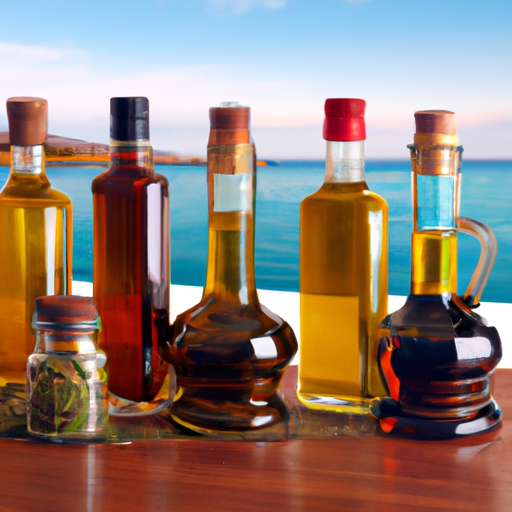
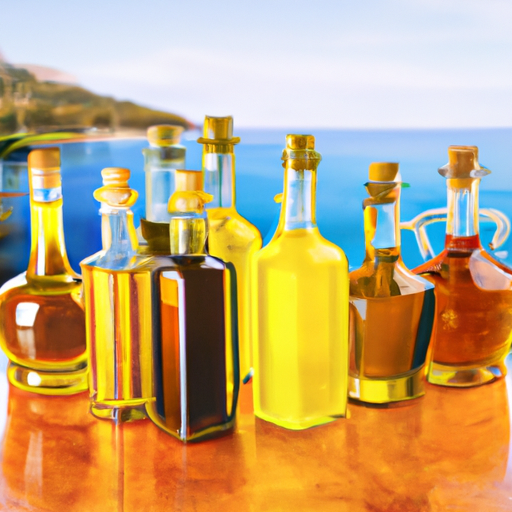
What Cooking Oils Are Allowed On The Mediterranean Diet?

So you’re wondering about what cooking oils are allowed on the Mediterranean diet? It’s a good question. And just so you know, it’s not just about what’s allowed, it’s about what will enhance your cooking, your health, and your well-being.

The good news is, the article that follows gives you a comprehensive answer. You’ll understand which oils make the Mediterranean cut, why they are preferred, and how they can benefit your health. By the end, you’ll be able to revamp your pantry and create more health-conscious meals for yourself and your family, which is what JD, the author of these articles, loves the most about the Mediterranean diet.

What Cooking Oils Are Allowed On The Mediterranean Diet?

Understanding the Mediterranean Diet

Defining the Mediterranean Diet

The Mediterranean Diet represents the food habits of people living in the Mediterranean basin, particularly the countries spilling over the Mediterranean Sea. Generally speaking, this diet comprises an abundant amount of plant foods, including fruits, vegetables, whole grains, legumes, and nuts.

The Health Benefits of the Mediterranean Diet

The Mediterranean diet, in numerous studies, is directly linked to better health outcomes, including lower rates of heart disease, cancer, and Alzheimer’s. It’s also been known to promote longevity and improve mental health.

Core Principles of the Mediterranean Diet

The Mediterranean Diet emphasizes consuming food in its most natural state, prepared from scratch. Predominantly, it includes fruits, vegetables, whole grains and healthy fats mostly from olive oil and seafood. Red meat is limited to a few times a month, with poultry and dairy consumed in moderate amounts.

The Role of Fats in the Mediterranean Diet

Fats play an essential role in the Mediterranean diet, with a strong emphasis on healthy fats. Olive oil, rich in monounsaturated fats, forms the core of this diet.

The Importance of Cooking Oils in the Mediterranean Diet

Why Cooking Oils are Significant in the Mediterranean Diet

Cooking oils are an essential element of the Mediterranean diet. They provide flavour to the food, act as a medium for cooking, and supply the body with essential fatty acids and vitamins.

Breaking Down Healthy Fats: Understanding Oils

Fat is divided into saturated, unsaturated (which can be further divided into monounsaturated and polyunsaturated), and trans fats. The Mediterranean diet encourages the consumption of monounsaturated and polyunsaturated fats, which are healthier.

Balancing Cooking Oils for an Optimal Mediterranean Diet

Balancing cooking oils involves using them in appropriate proportions. In the Mediterranean diet, the primary source of fat is olive oil, supplemented by the fats derived from nuts, seeds, and fish.

Best Choices of Cooking Oils for a Mediterranean Diet

Olive Oil: The Heart of the Mediterranean Diet

Olive oil is the centrepiece of the Mediterranean diet. Its consumption is linked with lower incidences of heart diseases.

Canola Oil: An Alternative Choice

Canola oil is an excellent alternative. It is rich in monounsaturated fats and contains heart-healthy omega-3 fatty acids.

Avocado Oil: The Unsung Hero

High in antioxidants and monounsaturated fats, avocado oil holds significant health benefits. It’s been linked with good heart health, better digestion, and improved eye health.

Other Suitable Oils in the Mediterranean Diet

Sesame Oil: For Flavour and Health

Sesame oil, especially dark sesame oil, adds an incredible depth of flavour to dishes. It also has numerous health benefits, including a potent antioxidant effect.

Flaxseed Oil: High in Omega-3 Fatty Acids

Flaxseed oil is a fantastic source of alpha-linolenic acid, a form of Omega-3 fatty acids, which are heart-healthy and anti-inflammatory.

Sunflower Oil: An all-rounder

Sunflower oil is high in Vitamin E and Omega-6 fatty acids. It’s a versatile oil, great for cooking a variety of dishes.

What Cooking Oils Are Allowed On The Mediterranean Diet?

Oils to Avoid in the Mediterranean Diet

Why Certain Oils are not Recommended

Some oils carry high concentrations of unhealthy fats, such as various saturated or trans fats, which can lead to increased risk of heart diseases and other health issues.

Oils High in Saturated or Trans Fats

Oils to avoid include coconut oil (high in saturated fats), margarine (often rich in trans fats), and palm oil (high in both saturated and trans fats).

Steering Clear of Processed Oils

Ultra-processed oils such as hydrogenated vegetable oils should be avoided as they contain trans fats.

Using Oils in Mediterranean Cooking

Using Oils for Dressings and Marinades

Olive oil makes an excellent base for dressings and marinades, enabling flavours from other ingredients to shine through.

Add Flavour with Infused Oils

Infusing oils with herbs and spices instils extra layers of flavour to the dishes, another characteristic of the Mediterranean diet.

Sauteing and Frying with Healthy Oils

Use healthy oils, such as olive or sunflower oil for sautéing and pan-frying dishes at medium heat.

Mediterranean Recipes Highlighting Cooking Oils

Making the Perfect Olive Oil Dressing for Salads

Creating an olive oil dressing for salads is simple yet transformative. All you need is olive oil, lemon juice, garlic, and your choice of freshly chopped herbs.

Delicious Hummus with Tahini (Sesame Oil)

Hummus is a delightful dish from the Mediterranean using tahini, made from sesame seeds. The sesame oil in tahini contributes an earthy flavour to hummus.

Cooking Seafood in Garlic and Olive Oil

Olive oil, garlic, and seafood together make a perfect trio in Mediterranean cooking. The oils create a succulent base that marries well with all seafood.

Sustainable Practices in Choosing and Using Oils

Choosing Eco-friendly and Ethically-sourced Oils

Selecting oils from brands that practice sustainable farming and ethical sourcing can bring a positive impact on both your health and the environment.

Reducing Waste in Using Cooking Oils

Being mindful of cooking oil usage helps in reducing food waste. You can find creative ways of utilizing leftover oils, such as using them in marinades or dressings.

Storage and Shelf-life of Various Oils

Proper storage extends the shelf life of oils. Most oils should be stored in a cool and dark place and should be used within three months of opening.

Integrating Mediterranean Diet into Family Meals

Teaching Kids about Healthy Fats and Oils

Educating children early on about the importance of good fats and oils establishes the groundwork for healthy eating habits in the future.

Planning Family Meals around the Mediterranean Diet

Shifting to a Mediterranean diet benefits the whole family. It introduces variety in meals and teaches the joy of eating wholesome and balanced foods.

Sharing Quality Food and Time with the Family

Enjoying Mediterranean meals encourages families to gather at the dining table and share quality food and moments together.

Conclusion

Summarizing the Importance of Cooking Oils in the Mediterranean Diet

Cooking oils are an integral part of the Mediterranean diet. They not only enrich the flavour of food but also contribute essential nutrients to our bodies.

Re-emphasizing the Health Benefits

Beyond giving food a delicious flavour, using the correct oils in the Mediterranean diet can offer significant health advantages, enhancing longevity and vitality.

Final Thoughts and Tips for a Balanced Mediterranean Lifestyle

Embracing the Mediterranean lifestyle isn’t just about changing your diet; it also involves cherishing the joy of sharing nutritious meals with loved ones, leading to a healthier, happier, and more balanced life.

Written by JD from www.mediterraneandietrecipes.net

July 31, 2023 Health & Wellness

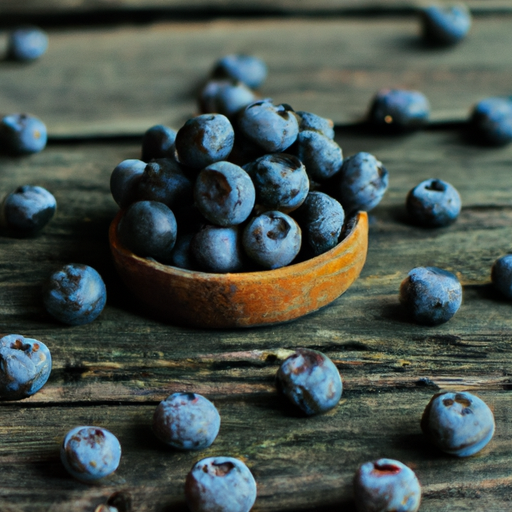
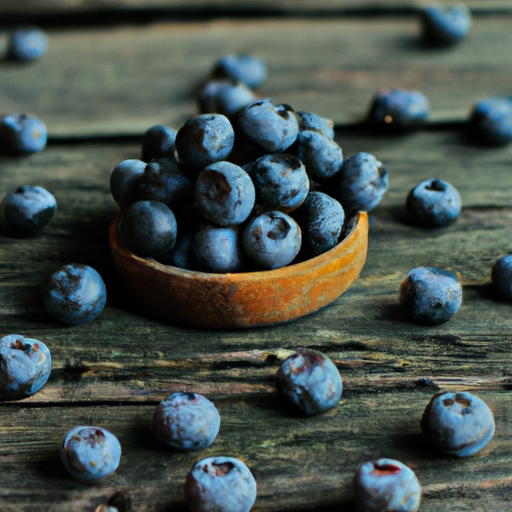
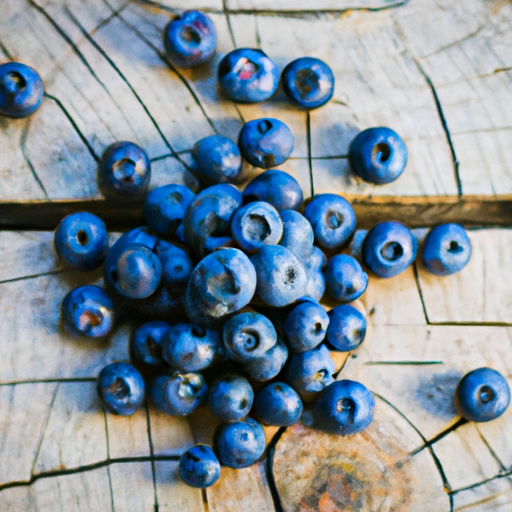
Are Blueberries On The Mediterranean Diet?

Did you ever find yourself wondering if blueberries are included in the Mediterranean diet? This is something you might ponder while planning your meals or when you’re about to dive into a blueberry-packed dessert.

Well, you’re about to get your answer in the forthcoming article. Not only will it clarify whether blueberries have a place in the Mediterranean diet, it will also delve into the magnificent world of this lifestyle. JD, a dedicated father and health enthusiast, will share how incorporating quality foods such as blueberries can bring immense benefits to your health and family life. Buckle up for an informative and tasty journey into Mediterranean cuisine!

Are Blueberries On The Mediterranean Diet?

Understanding the Core Concept of the Mediterranean Diet

In your journey in maintaining long-term health and wellness, understanding the core concept of the Mediterranean Diet is an excellent step. Hailing from the traditional dietary patterns of the countries bordering the Mediterranean Sea, this diet is filled with essential nutrients vital for living a healthy and active life.

Characteristics of the Mediterranean Diet

Imagine a table decorated with vibrant plant-based foods, whole grains, olive oil, and fish, well, that’s exactly what encompasses the Mediterranean Diet. It involves moderate consumption of dairy and poultry and limited intake of red meats and sweets. An essential element of this dietary regime is the use of olive oil as the primary fat source, contributing to its many heart-healthy benefits.

The Health Benefits Associated with the Mediterranean Diet

Numerous studies tout the advantages of the Mediterranean Diet. This eating pattern is known for cardiovascular benefits, reducing cancer risks, maintaining mental fitness, and even aiding in weight loss. An integral part of these benefits is also ensuring portion control and regular physical activity.

Role of Fruits in the Mediterranean Diet

Fruits play an elemental role in this nutritious diet, acting as a delicious reservoir of fibre, antioxidants, vitamins, and minerals.

Importance of Fruits in the Dietary Regime

Fruits, from oranges to apples and everything in between, are essential pieces of the Mediterranean Diet. They provide an abundant source of essential nutrients, add flavour and texture to meals, and offer a healthy, sweet alternative to desserts.

Range of Fruits Commonly Consumed

The typical Mediterranean Diet incorporates a diverse range of fruits, including apricots, dates, figs, grapes, and melons. Among these widely consumed fruits, blueberries hold a special place.

Health Advantages of Consuming Fruits

Fruits are naturally high in dietary fibre, antioxidants, vitamins C and K, and plenty of other nutrients critical for good health. They contribute to improved digestion, reduced inflammation, and protection against various diseases.

Deep Dive into Blueberries

Among the plethora of nutrient-rich fruits, blueberries take a forefront for their remarkable nutritional profile and unique health benefits.

Nutritional Profile of Blueberries

Blueberries are packed with nutrients. These small, blue bundles of joy are a rich source of essential nutrients – including fibre, vitamin C, vitamin K, and manganese.

Blueberries and Antioxidant Properties

Blueberries are known for their high antioxidant levels. They contain a type of flavonoid called anthocyanin, which gives blueberries their blue colour and contributes to their antioxidant capacity.

Potential Health Benefits of Blueberries

The potent antioxidants and nutrients in blueberries help fight against harmful free radicals and inflammation, support brain health, benefit heart health, help regulate blood sugar levels, and contribute to an overall healthier lifestyle.

Are Blueberries On The Mediterranean Diet?

Inclusion of Blueberries in the Mediterranean Diet

Incorporating blueberries into your Mediterranean Diet will not only add a flush of colour and sweet, tangy taste to your meal but will also provide a nutrient kick.

Blueberries and Daily Nutrient Intake

A cup of blueberries contributes significantly to your daily nutrient intake, specifically, fibre, vitamin C, and vitamin K.

Integrating Blueberries into the Diet

Blueberries are perfect to include in your breakfast cereals, salads, smoothies, or simply enjoyed raw as a snack.

Versatility of Blueberries in Recipes

Their sweet, tangy flavour and soft texture make them a versatile ingredient. From a warm blueberry crumble to a refreshing summer salad, the options are plenty.

Family and the Mediterranean Diet

The Mediterranean diet is ideal for establishing healthy eating habits within a family. The focus on fresh whole foods and the convenience of preparing meals accomplish this while creating cherished memories with your loved ones.

Modelling Healthy Eating Habits for Children

Including fruits like blueberries in daily meals can teach children about the importance of consuming nutrient-rich foods.

Creating Meals and Memories with Loved Ones

Preparing a blueberry-infused meal together can be a fun, educational, and bonding experience for the whole family.

Incorporating Blueberries in Family Friendly Dishes

Think blueberry pancakes for breakfast, a zesty blueberry salad for lunch, or a healthy blueberry muffin for a snack. These dishes make a fun way to incorporate this nutrient-packed fruit into your family diet!

Blueberries: A Favourite for All Ages

Due to their taste and nutritional properties, blueberries are a beloved fruit across all ages.

Reasons for Blueberries’ Popularity

Their versatility, nutrient richness, and delicious taste make them a popular choice amongst fruits.

Blueberries for Children’s Health

Kids can benefit from the nutrients provided by blueberries that support overall growth and development.

Blueberries for Maintaining Adult Health

Blueberries offer nutritional benefits that aid in maintaining heart health, supporting brain function, and overall wellness in adults.

Recipes with Blueberries That Embrace the Mediterranean Diet

Incorporating blueberries in your Mediterranean Diet doesn’t need to be complicated. Here are a few ideas.

Breakfast Ideas with Blueberries

A bowl of whole-grain cereal topped with fresh blueberries or a warm oatmeal topped with a handful of these blue gems are perfect ways to start your day.

Lunch and Dinner Recipes Utilising Blueberries

Consider a summer salad tossed with fresh blueberries for lunch or blueberry glazed fish for dinner.

Healthy Desserts Centered Around Blueberries

How about a blueberry and yogurt parfait or homemade blueberry sorbet for dessert?

Sustainable and Seasonal Eating with Blueberries

Going hand in hand with sustainability, the Mediterranean Diet encourages consuming fruits in season.

Understanding Seasonality of Fruits

Blueberries, while available year-round in stores, are in peak season during the summer months.

Choosing Blueberries at Their Peak

Look for firm, plump blueberries with vibrant colour for the best taste and nutrition.

Tips for Storing and Preserving Blueberries

Store your fresh blueberries in the refrigerator and wash only before consuming. For long term usage, consider freezing them right at their peak.

Life Long Health with the Mediterranean Diet

The Mediterranean Diet is not just an eating pattern; it’s a way of life that contributes to lifelong health.

Long Term Health Benefits of the Diet

Prevention of chronic diseases, maintaining mental wellbeing, and overall longevity are long-term health benefits of this diet.

Choosing Variety and Balance with Food

Emphasizing a diversity of food and balancing nutrient intake is key within the Mediterranean Diet.

Creating Sustainable Eating Habits with the Family

Creating a healthy dietary routine that includes fruits like blueberries and teaching the family about nutritious, sustainable eating is the heart of the Mediterranean Diet.

Conclusion: Blueberries & The Mediterranean Diet

The integration of blueberries within the Mediterranean Diet brings a spectrum of nutritional benefits.

Recapping the Benefits of Blueberries on the Diet

Their rich nutrient profile complements the Mediterranean Diet while offering unique health advantages.

Influence of the Mediterranean Diet on Family Health

Incorporating fruits like blueberries aids in establishing and maintaining a healthy, sustainable dietary lifestyle for your family.

Final Thoughts on the Integration of Blueberries within this Diet

So, are blueberries on the Mediterranean diet? Absolutely! Their nutritional powerhouses make them an excellent addition to this nutritious diet, contributing to your family’s lifelong health and wellness.

July 31, 2023 Diet & Nutrition

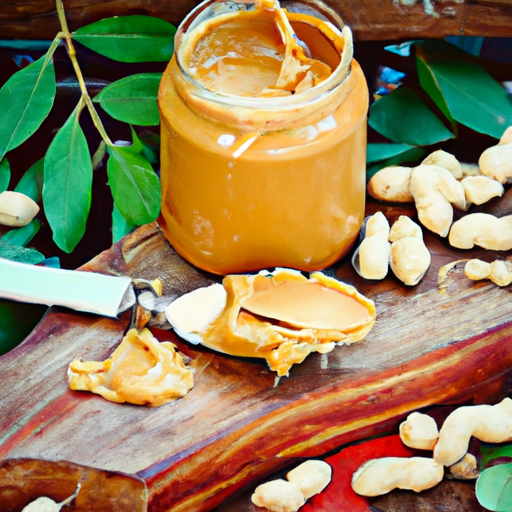
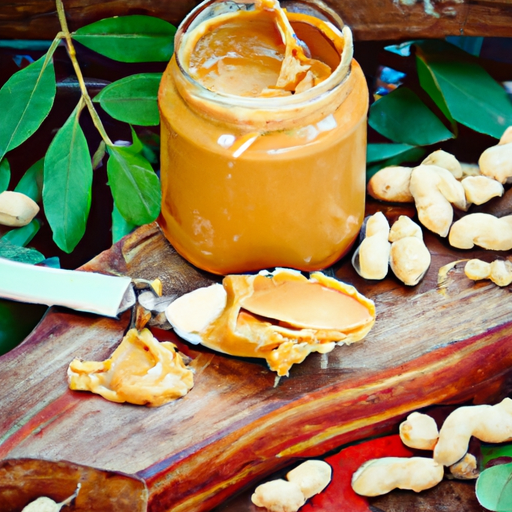
Is Peanut Butter OK On Mediterranean Diet?

You know, there are so many wonderful and diverse foods we enjoy daily and sometimes, it’s hard to keep track of what works with which diet. Just think about it, is peanut butter OK on a Mediterranean diet? It’s one of those lingering questions, isn’t it? Peanut butter is delicious, nutritious, and quite versatile in the kitchen, but where does it stand in the world of olives, whole grains, and fresh fruits?

Rest assured, as you delve into this article, you’re going to discover more about the role of peanut butter in this renowned diet. You’ll come across not only the dos and don’ts of peanut butter consumption on the Mediterranean diet, but also how it fits into the larger culinary and nutritional tapestry. With JD’s commitment to promoting a healthy lifestyle for him and his family, you can be certain that this deep dive into the realm of peanut butter and its place on the Mediterranean diet is well researched and rooted in a genuine desire for well-being. So, let’s explore this together and continue the journey of sharing high-quality food with our loved ones!

Is Peanut Butter OK On Mediterranean Diet?

Understanding the Basics of Mediterranean Diet

Defining the Mediterranean Diet

The Mediterranean Diet is a dietary lifestyle heavily influenced by the traditional eating habits of people from countries bordering the Mediterranean Sea. This diet emphasizes eating foods rich in healthy fats, whole grains, fruits, and vegetables while minimizing processed foods, red meat, and sugars.

Key Components of the Mediterranean Diet

The chief components of the Mediterranean diet include high-quality olive oil as the primary source of fat, along with fresh fruits and vegetables, whole grains, lean proteins from legumes, fish, poultry and a moderate amount of dairy.

Inclusion of Peanut Butter in the Mediterranean Diet

Nutrition Facts of Peanut Butter

Peanut butter is a rich source of healthy monounsaturated and polyunsaturated fats, protein, vitamin B6, vitamin E, magnesium, and potassium. Its nutritional profile varies based upon the brand and type of peanut butter you choose.

Potential Benefits of Including Peanut Butter in the Diet

Including peanut butter in your diet contributes to heart health due to its healthy fat content and can also help in maintaining body weight. Peanut butter is also high in protein which could help in muscle development and recovery.

How Peanut Butter nicely fits into the Mediterranean Diet

Substituting traditional fats with peanut butter

By substituting some of the traditional fats in your diet, like butter or margarine, with peanut butter, you can increase your intake of good unsaturated fats in consonance with the Mediterranean diet principles.

Peanut Butter as an ingredient in Mediterranean breakfast

Including peanut butter as a spread on whole grain toast or as a mix in your morning oatmeal bowl can be a nutritious and filling Mediterranean-style breakfast.

Is Peanut Butter OK On Mediterranean Diet?

Importance of Quality in Choosing Peanut Butter

Identifying High-Quality Peanut Butter

When choosing peanut butter, opt for one with minimal added sugars and hydrogenated oils. High-quality peanut butter typically lists only peanuts, and maybe a hint of salt, as its ingredients.

Hazards of low quality or excessive quantity Peanut Butter

While healthy in moderate amounts, consuming too much low-quality peanut butter with added sugars and hydrogenated oils can lead to increased caloric intake and an imbalance in your diet.

Peanut Butter Recipes for Mediterranean Diet

Peanut Butter and Grain Toast

Start your day with a slice of whole grain toast spread with a tablespoon of high-quality, low-sugar peanut butter, and top it with sliced bananas for a filling Mediterranean breakfast.

Homemade Peanut Butter Salad Dressing

To make a peanut butter-infused dressing for your Mediterranean salad, mix natural peanut butter with olive oil, lemon juice, crushed garlic, and a bit of honey.

Peanut Butter Infused Mediterranean Dips

Try adding a spoonful of peanut butter to your traditional hummus or baba ganoush recipe for an interesting Mediterranean twist.

Optimizing Peanut Butter Intake within the Mediterranean Diet

Moderation is the Key

Incorporating peanut butter into your Mediterranean diet can provide substantial nutrition and health benefits. However, moderation is important as peanut butter is relatively high in calories.

Pairing Peanut Butter With Other Mediterranean Foods

Peanut butter compliments many key ingredients in the Mediterranean diet—combine it with whole grains, fruits, and vegetables for a nutritious and balanced meal.

The Family Element in the Mediterranean Diet

Involving Kids in Preparing Peanut Butter-Based Dishes

Letting your kids assist in the preparation of peanut butter-based dishes can make for both a fun interactive family experience and a way to instill healthy eating habits from a young age.

Creating Family Traditions Around Mediterranean Meals

Creating and enjoying Mediterranean meals, such as pizza topped with fresh vegetables and a drizzle of peanut butter sauce, can become a cherished family tradition.

Health Impact of the Mediterranean Diet

Long-Term Health Benefits

The Mediterranean diet, supplemented with foods like peanut butter, can potentially lower the risk of chronic illnesses like heart disease, and improve overall longevity.

Mediterranean Diet for Disease Prevention

Studies suggest the Mediterranean Diet could prevent conditions such as type-2 diabetes, high blood pressure and cholesterol, certain types of cancer, and Alzheimer’s disease, to name a few.

J.D.’s Personal Experiences with the Mediterranean Diet

Incorporating Peanut Butter Into J.D.’s Diet

Incorporating peanut butter into my Mediterranean diet was a personal decision to help balance my nutrition intake while maintaining a diversified and interesting palate.

J.D.’s Family and the Mediterranean Diet

My family and I have enjoyed creating new traditions and experiences through shared Mediterranean meals, which often involve healthier, unique twists using peanut butter.

Conclusion

Recap of the Role of Peanut Butter within Mediterranean Diet

Including peanut butter in your Mediterranean diet can be a beneficial addition, providing a delectable flavor and a nutritional boost.

Encouragement for Newcomers to the Mediterranean Diet Lifestyle

If you’re new to the Mediterranean lifestyle or considering giving it a try, don’t be afraid to experiment with ingredients like peanut butter to bring diversity and nutritional balance to your meals.

Is peanut butter OK on Mediterranean diet? Absolutely! As with any foods, the key is in moderation and quality.

July 31, 2023 Health & Wellness

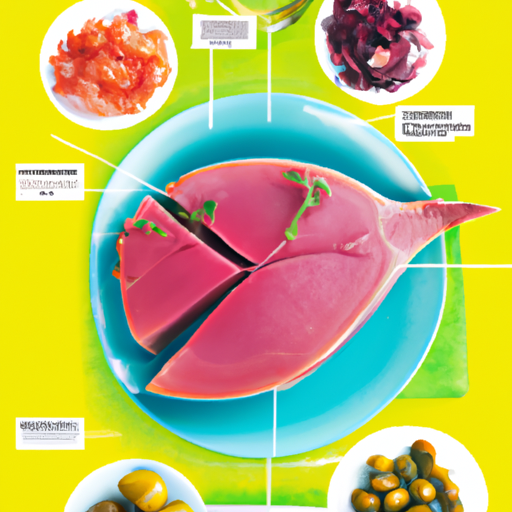
Is Tuna On The Mediterranean Diet?

Have you been wondering if tuna is on the Mediterranean Diet? We know that the Mediterranean diet encompasses a variety of foods and maintaining a balance is essential. Tuna, being a significant source of protein and essential nutrients, might have piqued your curiosity.

You’ll be pleased to discover more in the upcoming article that delves into the role of tuna in the Mediterranean diet. This will be a delightful read as it helps you keep up with your commitment to embrace healthy living, a trait that aligns with JD’s goal of promoting the Mediterranean diet. With an emphasis on quality meals that can be shared with the family, you’ll gain insights into placing tuna in your diet. So, gear up for an enlightening article that combines nutritional insights with the joys of food and family.

Is Tuna On The Mediterranean Diet?

Understanding the Mediterranean Diet

When it comes to eating healthily and holistically, the Mediterranean diet is hard to beat. This diet, derived from the eating habits of countries bordering the Mediterranean Sea, is renowned for its positive impacts on heart health and longevity.

The Basic Principles of the Mediterranean Diet

The Mediterranean diet emphasizes consuming a variety of fruits, vegetables, whole grains, lean proteins, and healthy fats, while limiting the intake of processed foods, red meat, and sugar. Key to this diet is the use of monounsaturated fats, like olive oil, instead of saturated fats. It’s not just about the food though. Regular exercise and socializing at meals play a significant role too.

Key Foods in the Mediterranean Diet

The diet predominantly includes fruits, vegetables, legumes, whole grains, seafood, extra virgin olive oil, and moderate amounts of wine. The use of herbs and spices for flavor over salts is favored, and eating poultry, eggs, cheese, and yogurt in moderation is recommended. One of the staple proteins in the Mediterranean diet is seafood, which brings us to an important query— is tuna, often renowned as a healthy protein source, part of this diet?

The Role of Seafood in the Mediterranean Diet

Cuisine from the Mediterranean region is deeply intertwined with seafood, thanks to the bountiful Mediterranean Sea. Fish and shellfish are a primary source of protein in this diet.

Importance of Seafood in the Diet

Seafood boasts high-quality protein, vitamins, minerals, and omega-3 fatty acids. Omega-3s are heart-healthy fats that also support brain health, reduce inflammation, and may lower the risk of chronic diseases.

Commonly Consumed Seafood in the Mediterranean Region

Traditionally, many types of local fish, shellfish, and other seafood are consumed in the region, including sardines, sea bream, sea bass, and yes, even nutritious tuna.

Tuna: An Overview

Tuna is a saltwater fish that belongs to the mackerel group, known for its lean profile, high protein, and rich nutritional value.

Nutritional Value of Tuna

Tuna is loaded with essential nutrients. It’s a great source of vitamin D, vitamin B12, selenium, and omega-3 fatty acids. Although it’s lean, it’s remarkably high in protein, making it a satisfying choice.

Types of Tuna: Fresh vs Canned

Both fresh and canned tuna pack a nutritional punch, but there are subtle differences. Fresh tuna has a higher omega-3 content, while canned tuna is often higher in sodium due to the canning process.

Is Tuna On The Mediterranean Diet?

Inclusion of Tuna in the Mediterranean Diet

Being rich in omega-3 fatty acids and protein, tuna perfectly aligns with the seafood emphasis of the Mediterranean diet.

Tuna as a Source of Healthy Proteins for the Diet

High-quality protein is essential in any diet, and tuna offers that in spades. A single serving of tuna can supply you with a significant portion of your daily protein needs.

Benefits of Consuming Tuna in the Mediterranean Diet

Thanks to its nutritional profile, tuna consumption may lead to better heart health, reduce inflammation, and even improve mental health due to the presence of essential fatty acids.

Preparing Tuna the Mediterranean Way

Wondering how to include tuna in the Mediterranean diet? Fear not, it’s easy and delightful.

Grilled Tuna Steaks: A Classic Mediterranean Dish

Grilled tuna steaks topped with a drizzle of olive oil, a squeeze of fresh lemon, and a sprinkle of herbs aligns perfectly with the Mediterranean ethos.

Mediterranean Tuna Salad Recipe

For something lighter, mix canned tuna with fresh vegetables, olives, and a vinaigrette dressing for a quick, nourishing, and no-cook Mediterranean tuna salad.

Sustainable Seafood Practices

Sustainability is a pivotal part of the Mediterranean diet, and it applies greatly when sourcing tuna.

Environmental Impact of Tuna Fishing

Overfishing is a major concern in the fishing industry which can disrupt marine ecosystems. Hence, sourcing tuna responsibly is crucial.

Choosing Sustainable Tuna for the Mediterranean Diet

When buying tuna, check packaging for labels from certified bodies like the Marine Stewardship Council which indicate sustainable fishing practices.

Tuna Alternatives in the Mediterranean Diet

If you’re not a fan of tuna, there are plenty of other seafood options that will provide you with similar nutritional benefits.

Rich Sources of Omega-3 Fatty Acids other than Tuna

Salmon, mackerel, sardines, and anchovies are excellent sources of omega-3 fatty acids.

Comparing Tuna with Other Fish in the Mediterranean Diet

While each fish comes with its unique nutritional profile, in comparison to tuna, salmon has slightly more omega-3 fatty acids, while anchovies and sardines have higher calcium levels.

Benefits and Drawbacks of Including Tuna in the Diet

Like any food, moderation is key. Although there are many benefits of consuming tuna, it’s important to consider some potential drawbacks too.

Health Benefits of Consuming Tuna

Eating tuna can support heart and brain health, help manage weight by keeping you satisfied, and even support mental well-being.

Possible Cons of Eating Too Much Tuna

While tuna is undeniably healthy, excessive consumption may lead to mercury accumulation. Therefore, the FDA suggests limited intake, especially for pregnant women and young children.

Mediterranean Diet: A Family Affair

The Mediterranean diet is centered around enjoying meals together, making it an enjoyable family affair.

Sharing High-Quality Food with the Family

Family mealtime is an opportunity to provide nutritious food and teach healthy eating habits. Including such high-quality food as tuna in regular family meals can play a crucial role in promoting lifelong health.

Encouraging Children to Love Seafood

Exposing children to different types of seafood, including tuna, at a young age can cultivate a love for it, helping them reap the health benefits from a young age.

Concluding Thoughts

So, is tuna on the Mediterranean diet? Absolutely!

Why Including Tuna in the Mediterranean Diet Can Be Beneficial

Tuna is plentiful in essential nutrients like protein and omega-3 fatty acids, making it an excellent choice for the Mediterranean diet. Consuming it responsibly and in moderation can yield numerous health benefits.

Taking a Balanced Approach to the Mediterranean Diet

Remember, variety is a key aspect of the Mediterranean diet. So, while including tuna is beneficial, ensure to enjoy it along with a diverse range of other foods for a balanced approach. After all, the Mediterranean diet is all about enjoying high-quality, nutritious foods, especially when shared among good company.

Stay tuned to www.mediterraneandietrecipes.net as we continue unraveling the bounty of the Mediterranean diet with you. Bon Appétit!

July 31, 2023 Health & Fitness

Can You Eat Pizza On The Mediterranean Diet?

Ever wondered if you can enjoy a delicious slice of pizza while following the Mediterranean diet? You’re not alone! It’s a common query that comes up and the answer may delight you.

Venture further into the article and you’ll discover more about this interesting query. Not only that, you’ll also learn about the benefits of the Mediterranean diet, and how traditional delicacies can be enjoyed responsibly. As JD, father of three and creator of Mediterranean Diet Recipes, always says, “High-quality food and family are the pinnacles of life.”

Can You Eat Pizza On The Mediterranean Diet?

Understanding the Mediterranean Diet

Defining the Mediterranean Diet

You may have heard about the Mediterranean diet, but what exactly is it? Originating from the eating habits of people living around the Mediterranean Sea, this diet isn’t just about what you eat, but also how you live your lifestyle. It emphasizes on consuming whole, fresh foods like fruits, vegetables, lean proteins, and healthy fats, whilst reducing intake of processed foods and unhealthy fats.

Key Components of the Mediterranean Diet

The key components of this diet include generous servings of fresh fruits and vegetables, whole grains, legumes, nuts, and olive oil. Fish and poultry are preferred over red meat, while eggs, cheese, and yogurt are consumed in moderate amounts. Herbs and spices are used instead of salt to add flavor. Importantly, regular physical activity and shared mealtimes are central to the Mediterranean lifestyle.

Health Benefits associated with the Mediterranean Diet

Numerous studies have attested to the health benefits of the Mediterranean diet. It not only helps in maintaining a healthy weight but also reduces the risk of heart disease, stroke, type-2 diabetes, and certain types of cancer. Furthermore, this diet can even improve brain function and increase longevity.

The Mediterranean Diet and Pizza

Mediterranean Diet’s stance on Pizza

Does your love for pizza make you worried about whether it fits within the Mediterranean diet? Well, you’ll be glad to know that pizza can indeed be part of this eating plan. But remember: not every pizza is created equal, and there are guidelines to follow to ensure it is healthy and nourishing.

Traditional Vs Modern Pizza: A Nutritional Comparison

Traditional Mediterranean pizza, contrary to many modern fast-food pizzas, tends to focus on simplicity, with few high-quality ingredients. Think thin crust, quality cheeses, fresh tomatoes, healthy olive oil, and various fresh vegetables or lean proteins. On the other hand, many modern pizzas are loaded with thick, calorie-dense dough, heavy amounts of full-fat cheese, and processed meats.

The Role of Processed Foods in the Mediterranean Diet

A cardinal rule of the Mediterranean diet is to limit processed foods. This rule is crucial when incorporating pizza into your diet. Overly processed meats, cheeses, and white flour crusts are a no-go. Instead, opt for whole grain crusts, quality cheeses, lean proteins, and plenty of fresh vegetables.

Making Pizza More Mediterranean Diet-Friendly

Substituting Common Pizza Ingredients for Healthier Alternatives

Making your pizza Mediterranean diet-friendly starts by replacing common ingredients with healthier options. Opt for a thin, whole wheat crust, which is rich in fiber, and top it with fresh, locally sourced vegetables. Use lean proteins such as grilled chicken or seafood rather than processed or red meats.

Choosing the right cheeses and toppings

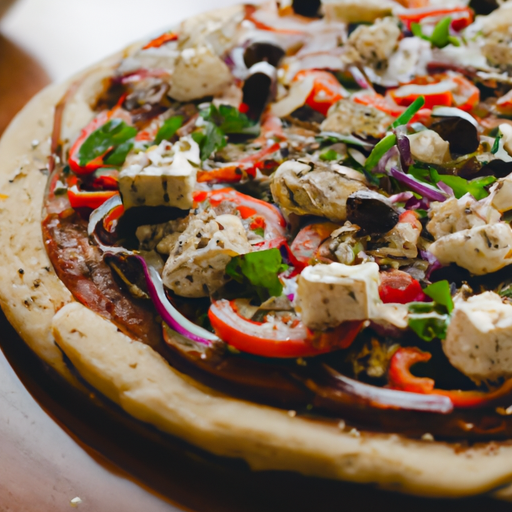
When it comes to cheese, less is more. Use small amounts of flavorful cheese like feta, mozzarella, or Parmesan. For toppings, think beyond just vegetables. Try adding heart-healthy nuts or seeds, and don’t forget the olives!

Portion Size and its Importance in the Mediterranean Diet

Another principal of the Mediterranean diet is portion control. Keep in mind that an entire pizza should not equate to an individual serving. A small or medium-sized pizza should ideally serve two to three people.

Can You Eat Pizza On The Mediterranean Diet?

Sharing Quality Meals: A Core Aspect of the Mediterranean Diet

The Importance of Shared, Social Eating in the Mediterranean Lifestyle

In the Mediterranean lifestyle, meals are often a shared, meaningful experience. Therefore, making pizza can be a family activity—a delightful way to pass the rich Mediterranean practices to the next generation.

Teaching children the value of high-quality food

Involving your children in the pizza-making process can be a fantastic way to incorporate healthy eating habits. They learn the value of high-quality food and understand that nutritious meals can also be fun and delicious.

Making Pizza a Family Activity: Engaging Kids in Cooking

Allow each child to add their toppings onto the pizza. Not only will it be an enjoyable activity, but it also encourages your kids to be creative and appreciate the food they helped to prepare.

Simple Recipes for Mediterranean Style Pizza

Healthy Whole Wheat Pizza Dough

Start with a simple recipe for whole wheat pizza dough, including whole wheat flour, yeast, water, olive oil, and a pinch of salt.

Fresh Veggie Pizza with Olive Oil Drizzle

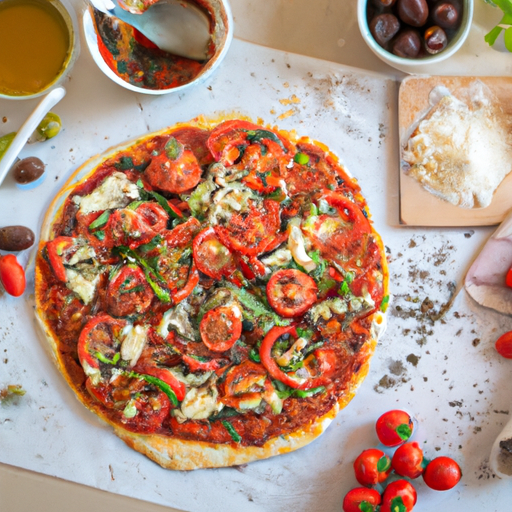
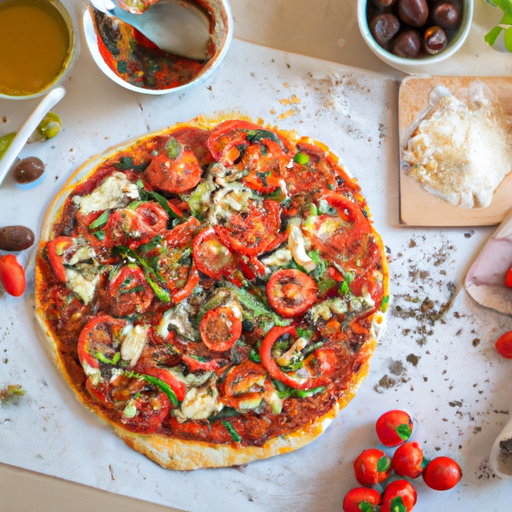
Make a fresh vegetable pizza, covering the whole wheat crust with various veggies like bell peppers, zucchini, tomatoes, and mushrooms. Drizzle olive oil and sprinkle fresh herbs on top, creating a flavorful pizza without excess cheese or meat.

Seafood Medley Pizza: A Taste of the Mediterranean Sea

Experience a taste of the sea with this Mediterranean style pizza loaded with lean, flavorful seafood like shrimp, clams, and calamari. Sprinkle with a little feta cheese and a pop of fresh greens, like arugula or spinach.

Serving Mediterranean Style Pizza

Balancing your Meal: What to Serve with Pizza

A Mediterranean diet meal is all about balance, so pair your pizza with a fresh salad, vibrant with a variety of vegetables. Add some protein, such as white beans or grilled chicken, to keep it satisfying.

Adding a Fresh Salad to your Pizza Meal

With vibrant vegetables and a tangy vinaigrette, a fresh, crunchy salad is the perfect companion to your pizza. Try a Greek salad, cucumber and tomato salad, or a simple mixed greens salad.

Refreshing Drink Pairings with Pizza

Complete your meal with a refreshing drink—perhaps a glass of red wine if it suits your taste and lifestyle. Non-alcohol alternatives could include sparkling water with a dash of fresh citrus.

Including Pizza in Your Mediterranean Diet Meal Plan

Planning your Weekly Meals

There’s no hard and fast rule about how often you can enjoy pizza on the Mediterranean diet. It’s simply about incorporating it into a balanced, nutritious meal plan.

Alternating Pizza with other Mediterranean Dishes

Consider varying your diet with other Mediterranean dishes. Balance pizza nights with meals featuring fish, salads, soups, or whole grain pasta dishes.

Ensuring Variety and Balance

The Mediterranean diet thrives on variety and balance. Don’t stick to the same toppings every time. Be creative!

Common Mistakes When Adapting Pizza to the Mediterranean Diet

Overloading Pizza with Cheese and Meats

Be wary of the temptation to overload your pizza with cheese and meats. Use these ingredients sparingly and favour a variety of colourful, nutrient-rich vegetables instead.

Not incorporating enough fresh ingredients

Less is more when it comes to quality ingredients. Opt for fresh, locally sourced produce.

Ignoring Portion Sizes

Remember, moderation is key. Even when your pizza is healthy, consuming too much can still disrupt your balanced diet.

The Role of Mindful Eating in the Mediterranean Diet

Understanding the concept of Mindful Eating

Mindful eating is an important aspect of the Mediterranean diet. It emphasizes being present and attentive while eating, cherishing each bite, and letting the body dictate hunger and fullness rather than eating mindlessly or to excess.

Practical Tips on Mindful Eating with Pizza

When eating pizza, savor each bite. Take note of the flavors, textures, and aromas. Don’t rush. Making the eating experience a conscious activity enhances satisfaction and supports the health goals of the Mediterranean lifestyle.

How Mindful Eating enhances the Mediterranean lifestyle

Mindful eating supports other aspects of the Mediterranean lifestyle. It helps reinforce portion control, appreciation for high-quality food and the joy of sharing meals with loved ones.

Conclusion

Reconciling your Love for Pizza with the Mediterranean Diet

So, can you enjoy pizza on the Mediterranean diet? Absolutely! The secret is in choosing quality ingredients, focusing on vegetables, practicing portion control, and savoring each bite.

Enjoying Pizza while Sticking to your Diet Goals

Making pizza a healthy, delicious part of your Mediterranean diet meal plan allows you to enjoy your favourite food without compromising your health goals.

Making Healthful Choices for Long-Term Wellness

By choosing to follow the Mediterranean diet, you are prioritizing long-term health over short-term indulgences. And remember—pizza doesn’t have to be an indulgence. It can be a wholesome, nutritious part of your diet when prepared thoughtfully.

Creating and sharing a Mediterranean pizza with your family not only nourishes the body, but also the spirit. It’s an opportunity to enjoy great food while bonding over shared cooking and eating experiences. And in the end, isn’t that what food is really all about? Enjoy!

July 31, 2023 Health & Wellness

Is The Mediterranean Diet Good For Losing Weight?

So, you’re wondering if the Mediterranean diet is good for losing weight, right? Isn’t it fascinating how the tide turns and our gaze shifts to different parts of the globe for innovative solutions to our health issues? In your search, you’ve come across the Mediterranean diet and are curious if it can help you achieve your weight loss goals.

This curiosity is fantastic because learning fuels growth and change! Diving into the Mediterranean diet’s world can be quite an adventure. As you continue reading the upcoming articles, you’ll gather more knowledge about this diet and the potential it holds in aiding weight loss. Above all, it’s not just about slimming down, but also about enjoying delicious, high-quality food which you can happily share with your family. Building healthy habits doesn’t just affect you but can lead to overall well being of your loved ones. Just like JD, you might discover this diet isn’t just about losing weight but a pathway to a healthier, active, and more present life!

Is The Mediterranean Diet Good For Losing Weight?

Understanding the Mediterranean Diet

The Mediterranean Diet is based on the foods and lifestyle habits of countries bordering the Mediterranean Sea. This includes Greece, Italy, Spain, and southern France. The core essence of this diet is not just about food, but it’s also about spending quality time with your family and loved ones while sharing a meal.

The Core Principles of the Mediterranean Diet

The heart of the Mediterranean diet relies on plant-based foods, healthy fats, moderate consumption of lean proteins, and a minimal amount of processed foods and sugars. Wine is consumed in moderation as well. The diet encourages a physically active lifestyle and savoring meals in the company of family and friends.

Key Foods in the Mediterranean Diet

The Mediterranean diet is rich in fruits, vegetables, whole grains, nuts, seeds, olives, olive oil, seafood, lean meats, eggs, and cheese. Herbs and spices are used to add flavor instead of salt.

The Importance of Quality Food and Family in the Mediterranean Lifestyle

Central to the Mediterranean diet is the emphasis on quality food and time spent with family. Meals are not rushed. Cooking at home with fresh, high-quality ingredients is emphasized, and the act of dining is not just about eating, but about spending quality time with your family at the table.

Link Between Mediterranean Diet and Weight Management

Managing weight is a common struggle for many. Fortunately, the Mediterranean diet has been associated with successful weight management.

Interplay Between Mediterranean Diet and Calorie Intake

In the Mediterranean diet, the focus is on eating nutrient-dense foods that satisfy without overloading on calories. High-quality proteins and fiber-rich foods help to maintain satiety, thereby reducing overall calorie consumption.

Impact of Mediterranean Diet on Metabolism

The fiber-rich foods not only keep you full but also help maintain a healthy metabolism. The healthy fats, especially in olive oil, may increase your metabolic rate and help burn fat.

Studies Backing the Effectiveness of Mediterranean Diet for Weight Loss

Research has shown that people following Mediterranean diet lose more weight than those on low-fat diets, even with regular physical activity. Not to mention, it’s a diet that people can stick with over time due to the focus on real, unprocessed foods and the allowance of moderate amounts of wine.

Beneficial Components of the Mediterranean Diet for Weight Loss

High fiber content, lean proteins, and healthy fats work together to promote weight loss on the Mediterranean Diet.

Role of Healthy Fats in the Mediterranean Diet

The Mediterranean diet puts forward a high intake of healthy fats like olive oil, avocados, and nuts, which help control hunger and keep you satisfied longer.

Impact of High Fiber Content

Fiber-rich foods in the Mediterranean diet assist with digestion, help control blood sugar levels and make you feel full, thereby contributing to weight management.

Importance of Lean Proteins

Lean proteins, including fish, beans, and poultry, are a component of the Mediterranean diet that help maintain muscle mass while losing weight, keeping hunger at bay.

Is The Mediterranean Diet Good For Losing Weight?

Tips to Incorporate the Mediterranean Diet for Weight Loss

The key to successful weight loss with the Mediterranean diet is adopting it as a lifestyle instead of a temporary dietary change.

Making the Mediterranean Diet a Lifestyle

The Mediterranean diet is a way of life. Besides food, it emphasizes physical activity and sharing meals with family.

Combining the Mediterranean Diet with Regular Exercise

Exercise is an important part of the Mediterranean lifestyle. Pairing the healthy eating habits with regular physical activity will maximize your weight loss efforts.

The Mediterranean Diet Vs Other Popular Diets

While the Mediterranean diet emphasizes balanced eating, other diets like Keto and Paleo focus on certain food groups and restrict others.

Comparison of Mediterranean Diet with Keto Diet

Unlike Keto, the Mediterranean diet does not require counting carbohydrates or high fat intake. It is based on a balanced meal.

Contrasting Mediterranean Diet and Paleo Diet

The Paleo diet eliminates dairy and legumes, which are essential components of the Mediterranean diet. Also, unlike the Paleo diet, the Mediterranean diet allows moderate consumption of wine.

Potential Challenges and Misconceptions About Mediterranean Diet and Weight Loss

Just like any other diet, there are challenges and misconceptions that can discourage some people from trying the Mediterranean diet.

Myths Regarding the Mediterranean Diet

One common myth is that the Mediterranean diet is high in fat. While it’s true that it includes healthy fats like olive oil and nuts, these are monounsaturated fats that are beneficial to heart health.

Overcoming Obstacles in Following the Mediterranean Diet for Weight Loss

The key to overcoming obstacles in following the Mediterranean diet is reframing it as a lifestyle change rather than a strict diet. Enjoying the process of cooking and eating with your family can make the transition easier.

Success Stories and Case Studies of Weight Loss Through Mediterranean Diet

Countless individuals have seen weight loss success through following a Mediterranean diet framework, including JD, a married father of three!

JD’s Personal Journey with the Mediterranean Diet

JD found the Mediterranean diet after struggling with yo-yo dieting for years. He chose the Mediterranean diet because he wanted a sustainable lifestyle change not a quick fix.

Inspirational Weight Loss Stories With the Mediterranean Diet

There are many people, like JD, who have found the diet achievable and maintainable, and have seen great weight loss results. Their stories serve as an inspiration to others wanting to embark on a Mediterranean lifestyle for weight loss.

Practical Meal Plans and Recipes for the Mediterranean Diet Weight Loss

Getting started with the Mediterranean lifestyle is easier than you may think.

Sample Mediterranean Diet Meal Plan for Weight Loss

A typical day might include a breakfast of Greek yogurt with honey and walnuts, a lunch of grilled chicken salad with olives and a dinner of spaghetti with tomato sauce and a glass of red wine.

Quick and Easy Mediterranean Recipes for Weight Loss

There are numerous quick and easy Mediterranean recipes available online. These simple recipes can make adapting the Mediterranean lifestyle easier for you.

Conclusion: Is the Mediterranean Diet Good for Weight Loss?

Recapping the Effectiveness of the Mediterranean Diet for Weight Loss

Overall, the Mediterranean diet promotes weight loss through its emphasis on healthy fats, lean proteins and high fiber content, combined with an active lifestyle and meal sharing with family.

The Long-Term Benefits of the Mediterranean Diet Beyond Weight Loss

Beyond weight loss, the Mediterranean diet has been associated with reduced risks of heart disease, certain cancers, diabetes and other health problems. It is the eating plan that can also help you maintain weight loss in the long run.

With due effort, the Mediterranean diet can be a sustainable way to lose weight, and provide you with long-term health benefits. So, is the Mediterranean diet good for losing weight? Yes, it is. It is not a fad or a quick fix, but a lifestyle worth adopting!

July 31, 2023 Health & Diet

Is Hummus On The Mediterranean Diet?

So, you’ve decided to follow the Mediterranean diet and you’re questioning, “Is hummus part of it?” It’s a good question to ask, really. Hummus, after all, is a scrumptious dish that’s versatile and pairs well with a variety of foods. It almost feels too good to be true!

Don’t fret; the future looks bright for hummus lovers. As you delve further into the Mediterranean diet in the following article, you’ll uncover more about the role hummus plays in it. Not to mention, you might even stumble upon some unique ways to incorporate it into your meals. After all, good food is not only key to maintaining great health, but it is also a wonderful way to bond and share quality time with your family.

Is Hummus On The Mediterranean Diet?

Understanding the Mediterranean Diet

Principles of the Mediterranean Diet

The Mediterranean Diet is a lifestyle approach to healthy eating based on the traditional cuisines of countries bordering the Mediterranean Sea. It’s not about restrictive calorie counting or portion sizes; instead, it’s about enjoying whole foods with high nutritional value and diverse flavors. This diet is rich in fruits, vegetables, olive oil, nuts, seeds and whole grains, with moderate intake of fish, poultry, and dairy, and limited red meat.

Health Benefits of the Mediterranean Diet

The Mediterranean Diet is linked to stronger heart health, lower risk of many diseases including cancer and Alzheimer’s, longer life expectancy and better brain function. It can also reduce inflammation throughout your body, reducing the risk of chronic diseases.

Typical Foods on the Mediterranean Diet

Typical foods on the Mediterranean Diet include fruits such as grapes, figs and avocados, vegetables like tomatoes, spinach and eggplant, grains, legumes, and nuts. Seafood and poultry are consumed at least twice a week and red meat is limited. Olive oil is the primary fat and wine can be enjoyed in moderation.

Hummus and its Nutritional Value

What is Hummus?

Hummus is a dip or spread originating from the Middle East, it’s primarily made from chickpeas, tahini (sesame paste), olive oil, lemon juice, and garlic.

Nutritional Components of Hummus

Hummus contains a host of essential nutrients. Its main ingredient, chickpeas, are rich in protein and dietary fiber which keep you feeling full. Sesame seeds, the base ingredient for tahini, are also packed with protein. Olive oil provides healthy fats necessary for heart health.

Health Benefits of Hummus

Consuming hummus can improve digestive health, control blood sugar levels, and heart health due to its high fiber, healthy fat, and protein content.

Hummus in the Mediterranean Diet

Role of Hummus in the Mediterranean Eating Plan

Given its nutritious ingredients, hummus plays a significant role in the Mediterranean diet. It’s a popular snack or appetizer, often paired with fresh vegetables or spread on whole grain bread.

Healthy Ways to Include Hummus in Your Diet

Hummus can be a great addition to sandwiches, salads, or used as a dip for fresh vegetables. You could also replace unhealthy condiments like mayonnaise with hummus as a healthier alternative.

Popular Mediterranean Recipes Using Hummus

Many Mediterranean recipes call for hummus. Some popular options include hummus and vegetable wraps, roasted eggplant with hummus and feta, and hummus and chicken flatbread pizzas.

Is Hummus On The Mediterranean Diet?

The Family Aspect of the Mediterranean Diet

Mediterranean Diet as a Way of Life

The Mediterranean Diet is more than just a diet, it’s a lifestyle. An integral part of this lifestyle includes the connection and enjoyment that comes from sharing and eating meals together as a family.

Sharing Quality Food with Family

By adopting the Mediterranean diet, you are setting an example for your family. Sharing quality food together not only strengthens family bonds but also encourages healthier eating habits in children.

Getting Kids Involved in Healthy Eating

Involve your children in planning and preparing meals. You can encourage them to choose a new fruit, vegetable, or grain to try. This can make the transition to healthier eating much more enjoyable for your little ones.

JD’s Personal Experience with the Mediterranean Diet

Why JD Chose the Mediterranean Diet

JD chose the Mediterranean diet for its numerous health benefits, and the simplicity and flexibility the diet provides. He particularly favored the focus on whole foods, and the balance provided between the plant-based ingredients and lean proteins.

How the Mediterranean Diet Improved JD’s Health

JD noticed significant improvements in his health since adopting the Mediterranean diet. Not only has he lost weight, but his energy levels have also improved, along with better blood pressure and cholesterol numbers at his medical check-ups.

JD’s Mediterranean Diet Recipes for Family

JD loves sharing his favorite recipes with his family. A family favorite is a simple whole-grain pasta salad with plenty of vegetables, olive oil, and a side of protein like grilled chicken or fish. And of course, a homemade hummus dip is always a hit.

Common Misconceptions about the Mediterranean Diet

Myth vs. Reality: Understanding What the Mediterranean Diet Really Entails

Many people think the Mediterranean diet is expensive or difficult, but in reality, it focuses on simple, fresh, and affordable ingredients. The diet emphasizes whole, plant-based foods, so fresh, inexpensive produce and grains often make up the bulk of your meals.

Are all Fats Bad? The role of Healthy Fats in the Mediterranean Diet

While the diet is high in fat, it’s important to note that these fats are the healthy variety. Olive oil, nuts, seeds, and fish provide monounsaturated and polyunsaturated fats, which can reduce bad cholesterol levels and provide a multitude of health benefits.

Can a Diet be a Long-Term Lifestyle? The Mediterranean Diet as a Sustainable Approach to Healthy Living

The Mediterranean diet isn’t a quick fix or a fad. It’s a lifelong commitment to a healthier lifestyle. The variety and flexibility of the diet make it sustainable for the long term.

Overcoming Challenges when Adopting the Mediterranean Diet

Addressing Cost Concerns

While some Mediterranean diet recipes call for expensive seafood or imported olive oils, it’s entirely feasible to follow the diet on a budget. Opt for in-season fruits and vegetables, buy grains and pulses in bulk, and choose cheaper proteins like eggs and legumes.

Finding Time for Meal Preparation

Start slow; try introducing a few elements of the Mediterranean diet into your meals each week. Prepare larger batches of staples like grains, roasted vegetables, or hummus to last a couple of days.

Adjusting to New Foods and Flavors

Introducing new foods and flavors gradually can help. Start by adding more fruits and vegetables to your meals, switch to whole grains, and start incorporating more legumes and healthy fats.

Resources for Following the Mediterranean Diet

Recommended Books and Cookbooks

“Live to Eat: Cooking the Mediterranean Way” by Michael Psilakis and “The Mediterranean Diet Cookbook” by Nancy Harmon Jenkins are great places to start.

Useful Websites and Blogs

The Mediterranean Dietitian and Oldways are great websites, providing a wealth of resources, blogs and recipes. JD’s blog at www.mediterraneandietrecipes.net is also packed with practical tips and recipes.

Other Supportive Tools and Communities

Joining a community of like-minded individuals can provide much-needed support. There are numerous online forums and communities dedicated to the Mediterranean diet.

Success Stories on the Mediterranean Diet

Inspiring Personal Accounts

Numerous individuals have shared their positive experiences with the Mediterranean diet online, highlighting significant improvements in weight, health markers, and overall well-being.

Scientific Studies Highlighting the Success of the Mediterranean Diet

Numerous studies have proven the diet’s success. Scientists found people following the Mediterranean diet had a decreased risk of heart disease, cholesterol, and other serious health problems.

Famous Personalities who follow the Mediterranean Diet

Celebrities, athletes and everyday people are adopting and succeeding in healthy living with the Mediterranean Diet. Penelope Cruz, Isla Fisher and Rachael Ray are a few famous personalities who follow this diet.

Conclusion: Is Hummus on the Mediterranean Diet?

Understanding the Role of Hummus in the Mediterranean Diet

Hummus is a central part of the Mediterranean diet. It’s a healthy, delicious, and versatile dip or spread that brings together whole grains, vegetables, lean proteins, and healthy fats.

The Takeaway on Hummus and the Mediterranean Diet

Nobody can deny the health benefits of hummus on the Mediterranean diet. It’s a highly nutritious food that can easily be incorporated into numerous meals.

Final Tips for Incorporating Hummus into the Mediterranean Diet

Start by using hummus as a dip for vegetables, or spread it on whole grain bread. Try incorporating it into a salad dressing, or using it as a base for other dishes. Your options are endless.

The Mediterranean lifestyle, including hummus in your diet, offers numerous health benefits, and with so many ways to incorporate it into meals, it’s easy to get started. The important part is to focus on enjoying the journey and celebrating the joys of food with the ones you love.

  • « Go to Previous Page
  • Go to page 1
  • Interim pages omitted …
  • Go to page 59
  • Go to page 60
  • Go to page 61
  • Go to page 62
  • Go to page 63
  • Go to page 64
  • Go to Next Page »

Primary Sidebar

Hey y’all!

Hello and welcome to MediterraneanDietRecipes.net My name is JD, and I’m a 46-year-old father of three amazing children. My family is my world, and my main goal in life is to stay healthy and live long enough to see my children grow up, have children of their own, and to be an active, engaged, and supportive grandparent.

Being an older father, I understand that time is precious, and I want to make the most of it by ensuring that I am in the best possible shape physically, mentally, and emotionally. My journey started with a deep dive into the research on longevity and the lifestyle choices that can help me achieve my goals. Dig deeper →

Footer

Stay Connected

  • Bloglovin
  • Facebook
  • Instagram
  • Pinterest
  • Twitter

Copyright © 2026 · MEDITERRANEAN DIET RECIPES