Wondering if you can enjoy cheese and crackers while on the Mediterranean diet? This article will enlighten you about the compatibility of this beloved snack with the famed diet. You’ll gain insights on the kinds of cheese and crackers that align with the Mediterranean diet principles, and also appreciate the role of mindful, healthy eating in fostering quality time with family.

Understanding the Mediterranean Diet
If you are curious about the Mediterranean Diet, you’re in for a great journey of exploring a healthful and flavorsome eating plan. Initially, you may be wondering, “Can I eat cheese and crackers on the Mediterranean Diet?” Absolutely. Let’s delve into this topic further.
Fundamental Principles of the Mediterranean Diet
The Mediterranean Diet is inspired by the eating habits of those in the Mediterranean region, particularly Italy, Greece, and Spain. Primarily, the diet encompasses a variety of fresh foods like fruits, vegetables, lean proteins, especially fish, whole grains, nuts, and olive oil. It is equally as important to note that this diet stresses the significance of sharing meals with family and friends, enjoying life, and regular physical activity.
Key Food Categories in the Mediterranean Diet
There are numerous benefits to the Mediterranean Diet. However, its key selling point is flexibility and focus on whole foods. Foods in this diet are loosely categorised into four sections: fruits and vegetables (especially leafy greens and bright, vibrantly colored produce), whole grains, lean proteins (with emphasis on fish), and healthy fats (like olive oil).
Cheese in the Mediterranean Diet
Cheese, a staple in the Mediterranean Diet, is commonly paired with meals in modest amounts.
Types of Cheese Commonly Used
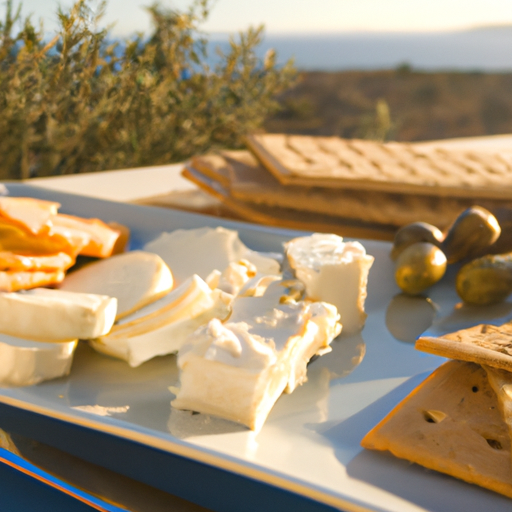
Typical choices of cheese in the Mediterranean diet include Mozzarella, Parmigiano-Reggiano, Ricotta, Pecorino Romano, and Feta. Importantly, these cheeses are often made using traditional methods and are additive-free.
Health Benefits of Cheese
Cheese can provide an excellent source of calcium and protein, not to mention, it is delicious. It can also be a good source of vitamins A and B-12, along with zinc, phosphorus, and riboflavin.
Recommended Portions and Frequency
Portions and frequency are key when considering cheese as part of the Mediterranean diet. The key is to enjoy cheese in moderation; consider it a garnish rather than the main event of your meals.
Crackers in the Mediterranean Diet
Now, what about crackers? Whole grain crackers can make part of the Mediterranean diet, acting as an excellent vehicle for healthy toppings like cheese, hummus or vegetables.
Whole Grain Crackers
Whole grain crackers are a good source of dietary fiber, providing you with sustained energy and keeping you feeling full for longer. They’re also packed with essential nutrients including fiber, B vitamins, and minerals.
Understanding Processed and Refined Grains
It is crucial to understand the differences between processed and refined grains. While refined grains have been stripped of their nutrient-dense outer shells, whole grains retain all parts of the grain — the bran, germ, and endosperm.
Mediterranean Diet and Healthy Fats
Healthy fats play a crucial role in the Mediterranean Diet, and cheese fits squarely into this category.
Role of Healthy Fats in the Diet
Healthy fats, like those found in nuts, olive oil, and yes, cheese, provide the body with necessary fuel and help with the absorption of vitamins.
Cheese as a Source of Healthy Fats
Cheese, when consumed in moderation, can supply your body with the required amount of healthy fats, and help to promote a feeling of satiety, reducing the likelihood of overeating.
Mediterranean Diet and Family Meals
One of the tenets of the Mediterranean Diet is the benefit of sharing meals with family and friends.
Fostering Togetherness and Bonding Over Meals
These shared meals create opportunities for togetherness, as it allows families to come together, connect, and share their day. It’s also an excellent opportunity to foster healthy eating habits in children.
Cheese and Crackers as a Family Snack
Cheese and crackers provide an easy, no-stress snack that your family can enjoy. It is nutritious, versatile, and most importantly, delicious.
Adapting the Mediterranean Diet to Individual Needs
Whether due to dietary restrictions, allergies, or personal preference, the Mediterranean Diet is easily adaptable to meet individual needs.
Dietary Restrictions or Allergies
For those with dietary restrictions or allergies, consult a healthcare professional or a nutritionist to help tailor the Mediterranean Diet to your specific needs.
Personalizing the Mediterranean Diet
Remember, there’s no one-size-fits-all diet. It is crucial to listen to your body and adapt your dietary habits to what suits you best.
Long-Term Health Benefits of the Mediterranean Diet
Regularly following the Mediterranean Diet can offer various health benefits, such as reducing the risk of chronic diseases and promoting lifelong health and fitness.
Reducing the Risk of Chronic Diseases
Research has linked the Mediterranean diet with lower levels of LDL (bad) cholesterol, the kind of fat that can result in a buildup of fatty plaques in your arteries, which might lead to heart disease or stroke.
Promoting Lifelong Health and Fitness
Incorporating exercise with the Mediterranean diet can further encourage whole-body health. A holistic approach to health also encompasses good sleep, stress management, and regular physical activity.
Cheese and Crackers in the Context of Overall Diet
Like any other food, the key to including cheese and crackers in your diet is mindful consumption and balance.
Mindful Consumption
Mindful eating includes being present during meals, chewing slowly, savoring every flavor, and listening to your body’s hunger and fullness cues. A good way to practice mindful eating with cheese and crackers is to portion out the amount you plan on eating, rather than eating directly from the box or package.
Considering the Whole Dietary Pattern
Remember, balance and diversity in your meals are crucial to ensure you are receiving all vital nutrients. The inclusion of cheese, crackers, or any other food should be considered in the context of your overall diet.
Creative Ways to Enjoy Cheese and Crackers
With a splash of creativity, cheese and crackers can be part of various culinary creations.
Healthy Cheese and Cracker Pairings
Try pairing whole grain crackers with low-fat cheese varieties and adding some grapes, apple slices, or a handful of nuts for an extra layer of texture and taste.
Adding Fruits and Veggies for a Balanced Snack
Dress your cheese and crackers with fresh vegetables or fruit to increase your intake of vitamins and fiber, making a well-rounded and satisfying snack.
Conclusion
Reaffirming the Flexibility of the Mediterranean Diet
One of the most appealing aspects of the Mediterranean Diet is its flexibility. Whether it’s cheese and crackers on the menu or a succulent grilled fish, there’s a perfect balance between health and enjoyment in this diet.
Encouraging Continued Exploration of the Mediterranean Diet
Think of the Mediterranean diet as a journey to improve your health, savor delicious flavors, and foster a sense of togetherness with loved ones. There’s much more to discover, so continue exploring the Mediterranean lifestyle’s many benefits and flavors.
Remember, like sharing a tray of cheese and crackers with family, the Mediterranean diet can bring joy and wellness to the table. Embrace the journey and enjoy every bite.
Leave a Reply