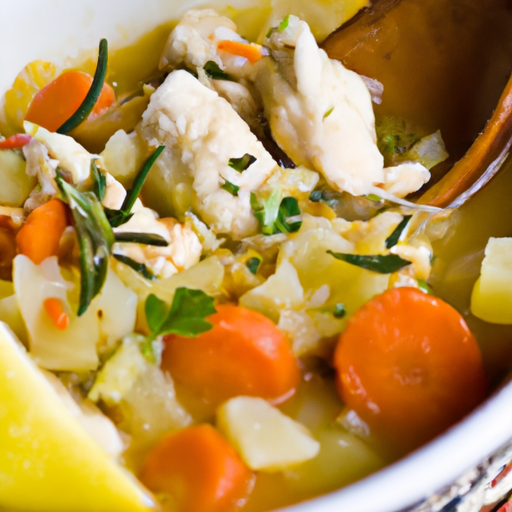
• Skip to primary navigation
  • Skip to main content
  • Skip to primary sidebar
  • Skip to footer
  • Home
  • About
  • Recipes
  • Blog

Mediterranean Diet Recipes

Home » Blog

Blog

August 8, 2023 Food and Cooking

Mediterranean Lahmacun (Turkish Pizza) Recipe

Venturing into the world of the Mediterranean gastronomy can provide you with a taste symphony beyond ordinary. Today, you’re about to embark on a culinary journey exploring the authentic Mediterranean Lahmacun, also fondly known as Turkish Pizza. It’s a recipe that harmoniously blends nutritious value and epicurean delight into one, epitomizing the Mediterranean diet that’s deemed globally as one of the healthiest.

This Turkish culinary masterpiece doesn’t need the fanfare of extravagant ingredients. Instead, it imbibes extravagance with ordinary and easily accessible pantry staples, transforming them into a feast for the palate. Fresh, vibrant, and packed with flavors, the Lahmacun is a demonstration of how simplicity can birth extraordinary pleasure. A bite of it takes you on a gastronomic tour of Turkey and its neighbouring countries, letting you experience the wealth of the Mediterranean culture right at your dining table. This Lahmacun recipe endeavors not only to guide you in crafting a dish that feeds your stomach, but also satisfying your culinary curiosity and zeal.
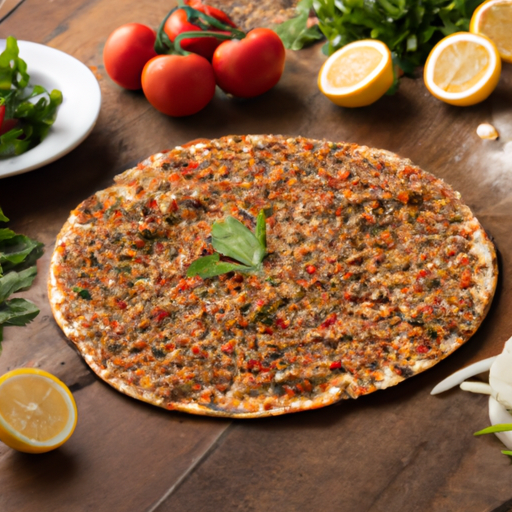
Mediterranean Lahmacun (Turkish Pizza) Recipe

Introduction

Lahmacun, also known as Turkish Pizza, is a flavorful and vibrant centerpiece of the Mediterranean Diet. This scrumptious dish, pronounced “lah-mah-joon”, is a perfect balance of succulent ground lamb, aromatic spices, fresh vegetables, and a perfectly baked thin piece of dough. The best part? It’s fairly easy to prepare and undeniably delicious. Everyone at your table will absolutely love this one-of-a-kind pizza.

Ingredients

For a dinner serving for four adults, you will need:

Ground lamb

380 grams of ground lamb. Opt for a lean variant if you wish to keep it on the healthier side.

Onion

Two small onions, finely chopped.

Red bell pepper

One large red bell pepper, finely chopped

Tomato paste

Three tablespoons of rich tomato paste.

Garlic

Four cloves of garlic, minced.

Parsley

Half a cup of chopped fresh parsley.

Ground cumin

Two teaspoons of ground cumin.

Ground paprika

Half a teaspoon of ground paprika.

Ground sumac

A quarter teaspoon of ground sumac.

Salt

Half a teaspoon of salt.

Black pepper

A quarter teaspoon of freshly ground black pepper.

Olive oil

Three tablespoons of high-quality olive oil.

For the dough, gather these ingredients:

Yeast

One packet (about 2 1/4 teaspoons) of dry yeast.

Warm water

Three-quarters of a cup of warm water.

All-purpose flour

Three cups of all-purpose flour.

Semolina flour

Half a cup of semolina flour.
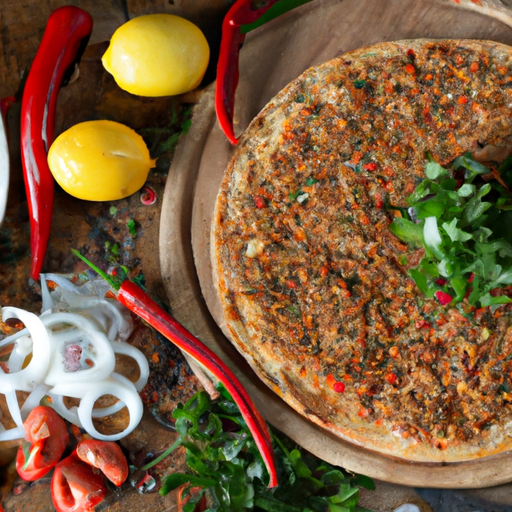
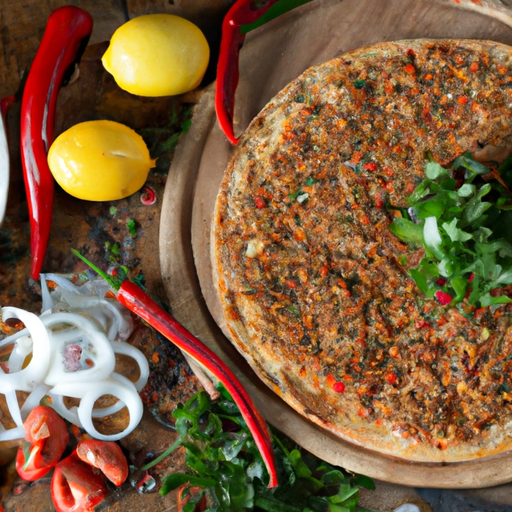
Mediterranean Lahmacun (Turkish Pizza) Recipe

Preparation

Prepare the dough

In a large bowl, dissolve your yeast in warm water and set it aside for about five minutes until it is foamy. Then mix in the all-purpose and semolina flour, kneading as you go until the dough is smooth and elastic.

Knead the dough

Turn the dough onto a lightly floured surface, then knead it until it’s smooth and elastic. This usually takes about 10 minutes.

Let the dough rise

Place your kneaded dough in a greased bowl, cover it with a clean cloth, and let it rise in a warm place until it doubles in size—this takes about an hour and a half.

Prepare the topping

In a large bowl, mix the ground lamb, chopped onions, red bell pepper, tomato paste, minced garlic, parsley, ground cumin, paprika, sumac, salt, black pepper, and two tablespoons of olive oil.

Make the lahmacun

After the dough has doubled in size, divide it into eight equal portions. Roll each piece into a thin circle, then spread the lamb mixture evenly over each one.

Bake the lahmacun

Preheat your oven to 260 degrees Celsius (500 degrees Fahrenheit). Place your lahmacun on a baking sheet and bake in the preheated oven for about 10-15 minutes, until the edges are crispy.

Options and Substitutions

Using ground beef instead of lamb

Not a big fan of lamb or simply can’t find it? No problem! Ground beef is a great alternative in this recipe.

Adding a squeeze of lemon juice

For an extra tangy kick, add a squeeze of fresh lemon juice on top of your lahmacun before serving. Refreshing and delicious!

Adding chopped tomatoes or cucumbers as toppings

If you want to incorporate more fresh vegetables, feel free to add chopped tomatoes or cucumbers as additional toppings.

Cooking and Serving Suggestions

Serving suggestions

Serve your lahmacun warm, garnished with additional fresh parsley and a splash of olive oil. Pair it with a fresh Mediterranean salad for a light and balanced meal.

Reheating instructions

To reheat, simply place the lahmacun in a heated oven at 180 degrees Celsius for 5–10 minutes or until warmed through.

Storing instructions

You can store the lahmacun in the fridge wrapped in a plastic bag for up to three days. For longer storage, consider freezing them.

Conclusion

There you have it! Your own homemade Mediterranean Lahmacun, a dish that’s certain to bring flair to any table—it’s a fantastic journey of taste and a testament to the wonders of the Mediterranean Diet. Whether you’re hosting a party or wanting a unique take on pizza night, this Lahmacun recipe will not disappoint. So light up the oven and get ready for an unforgettable gastronomic experience! Delight in its warmth, indulge in its flavors, and let this Turkish gem become a beloved staple in your home.
August 8, 2023 Cooking and Recipes

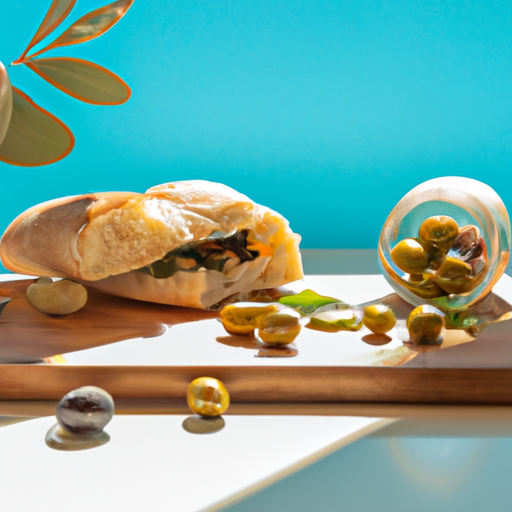
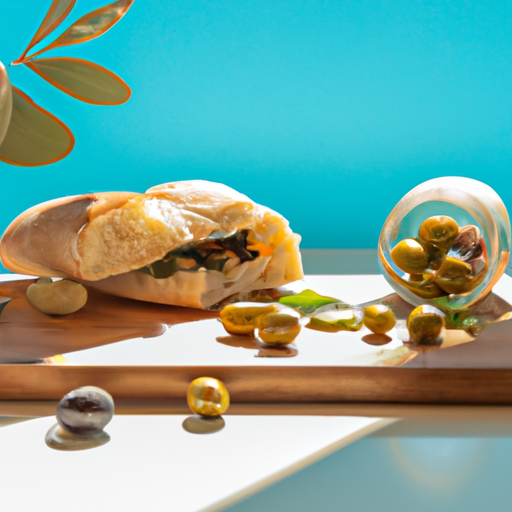
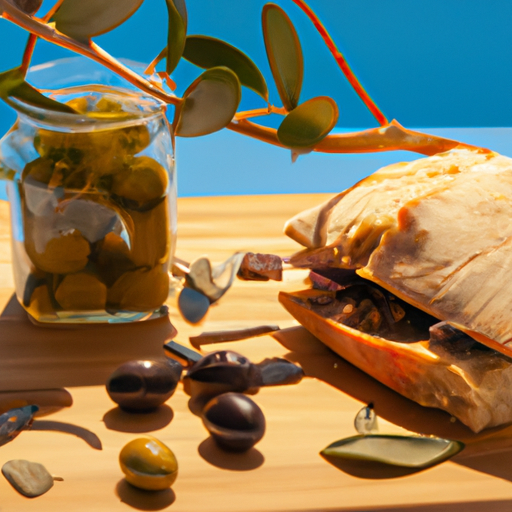
Mediterranean Ciabatta With Olives Recipe

Prepare yourself for a culinary journey like no other. Today, we set sail on the radiant Mediterranean Sea with a recipe that encapsulates the vibrant tastes and aromas of its sunny coasts. Say hello to the delicious ‘Mediterranean Ciabatta with Olives’, a quintessential delight from the region. This savory creation aligns perfectly with the Mediterranean diet, celebrated worldwide for its health benefits and flavorful dishes that are as pleasing to the palate as they are beneficial to your health.

Your taste buds are in for a tantalizing experience as you learn to craft this spectacular dish. Each bite of the Mediterranean Ciabatta with Olives murmurs tales of ancient kitchens, cobblestone lanes, and blue coasts. The carefully detailed step-by-step instructions ensure you don’t miss any details, providing the precise measurements for ingredients, preparation methods, options, and substitutions to guarantee a scrumptious outcome. So put on that apron, ready your utensils, and prepare to bring the Mediterranean allure to your kitchen!

Mediterranean Ciabatta With Olives Recipe

Introduction

Welcome to your next culinary adventure – the Mediterranean Ciabatta with Olives Recipe. This gem of a dish will take you on a delicious journey to the sun-kissed coasts of the Mediterranean. The rich, robust flavors combined with the health benefits of the Mediterranean diet make this meal not just delightful, but also nutritionally robust. The Mediterranean diet emphasized the heart-healthy benefits of olive oil, whole grains, fruits, vegetables, and lean proteins, all of which are present in this recipe. The Mediterranean Ciabatta with Olives channels a classic Mediterranean flavor pallet with a hint of modern simplicity that is perfect for a family meal or a simple dinner party.

Ingredients

Here are the specific ingredients you will need to bring this delightful recipe to life. Remember, this makes four servings, so adjust your quantities accordingly if you plan to entertain a larger crowd. Ensure you use exact measurements for optimum flavor balance.

  • 4 ciabatta rolls, split open
  • 1 cup of mixed olives, pitted and chopped
  • 2 large tomatoes, sliced
  • 1/2 cup of basil leaves, fresh
  • 8 ounces of mozzarella cheese, thinly sliced
  • 1/4 cup of olive oil, extra virgin
  • Salt and pepper to taste

Mediterranean Ciabatta With Olives Recipe

Cooking Instructions

Once you have all your ingredients handy, it’s time to embark on the culinary journey of creating the Mediterranean Ciabatta with Olives.

  1. Start by preheating your oven to 355 degrees Fahrenheit (180 degrees Celsius).
  2. Meanwhile, prepare your ciabatta rolls. Open them up and lay them on a baking sheet.
  3. In a small bowl, combine your olives and extra virgin olive oil. Mix this well to ensure that the olive oil is thoroughly infused with the olives.
  4. Once your oven has preheated, begin to assemble your ciabatta. Start with a layer of mozzarella slices on each roll, followed by tomato slices and chopped olives.
  5. After you’ve built your rolls, sprinkle them with fresh basil leaves. You could tear these for a more rustic look and taste.
  6. Season each roll with a pinch of salt and pepper.
  7. Place the tray in the oven and let the ciabatta bake for about 10-12 minutes, or until the cheese has melted and the ciabatta turns crispy.
  8. Once this is done, remove from the oven and let it cool for a few minutes before serving.

Options/Substitutions

It’s always nice to keep the kitchen versatile! If needed, there are some options and substitutions you can consider for this recipe.

  • If you’re not a fan of olives, you can substitute them with sundried tomatoes for a different yet equally Mediterranean flavor.
  • For a vegan variant, substitute the mozzarella cheese with a vegan cheese of your choice or leave it out altogether. The tomatoes and olives offer a lot of flavors of their own.
  • For an added protein boost, you can add grilled chicken or lean turkey slices to your Ciabatta.

Conclusion

Eating healthy should never be a compromise on taste, and the Mediterranean Ciabatta with Olives helps ensure just that. This simple, hearty, and flavor-packed recipe represents everything that the Mediterranean diet stands for: flavor, healthy ingredients, and easy prep. So gear up for this Mediterranean adventure and let your taste buds bask in the glory of simple, yet rich flavors of the Mediterranean diet. Happy cooking!

August 8, 2023 Recipes

Mediterranean Olive & Rosemary Focaccia Recipe

You are about to embark on a culinary journey right in the comfort of your kitchen. Imagine the aroma of rosemary and Mediterranean olives wafting through your kitchen as you whip up the delectably crunchy and fluffy Mediterranean Olive & Rosemary Focaccia. This delectable bread not only promises to take your taste buds on a magical tour of the Mediterranean coast but also lines up perfectly within the health-conscious framework of the Mediterranean diet.

This how-to article will unravel the details of every component necessary to craft the perfect focaccia, down to the last granule of salt. With a focus on exact measurements for each ingredient, the most precise cooking and preparation instructions, and useful options for when you might need to substitute an element, we aim to set you up for delightful success in your kitchen endeavor. In a perfectly apportioned recipe for four adults, you’ll find that bringing the Mediterranean onto your dinner table has never been easier.

Mediterranean Olive  Rosemary Focaccia Recipe

Introduction

Welcome, friend! So you’ve decided to explore the sumptuous world of the Mediterranean diet? Excellent choice. Let’s dive into a simple but delicious recipe that beautifully epitomizes this diet—Mediterranean Olive & Rosemary Focaccia. A beautiful blend of Mediterranean flavors, this recipe is not just incredibly tasty but also bursting with health benefits. The olive oil provides heart-healthy monounsaturated fats, while the olives and rosemary load your meal with antioxidants. Paired with a salad or served as a side dish, it’s a perfect representation of the tasty, healthful meals common in Mediterranean cuisine.

Ingredients

Dough Ingredients

Now, let’s get to the heart of the recipe. Here’s what you’ll need for the dough:

  • 500g all-purpose flour
  • 1 packet (7g) of dry yeast
  • 2 teaspoons of salt
  • 1 tablespoon of sugar
  • 300ml warm water
  • 2 tablespoons of extra virgin olive oil

Topping Ingredients

For the topping, gather the following:

  • ¼ cup of pitted black olives
  • ¼ cup of pitted green olives
  • Fresh rosemary sprigs
  • 2 tablespoons of extra virgin olive oil
  • Coarse sea salt, to taste

Mediterranean Olive  Rosemary Focaccia Recipe

Preparation

Preparing the Dough

First things first, let’s prepare the dough. Combine the flour, dry yeast, salt, and sugar in a large bowl until evenly mixed. Gradually add the warm water while continuously stirring. Once the dough starts to form, add the olive oil. Continue to knead until you have a smooth, elastic dough.

Letting the Dough Rise

Next, cover the bowl with a clean kitchen towel and let the dough rise. This process should ideally take about 1 to 1.5 hours. The dough should double in size, which is a key indicator that your dough is ready for the next step.

Shaping the Focaccia

After the dough has risen properly, preheat your oven to 200°C (392°F). Then, lightly oil a baking tray and place the dough in it. Use your fingers to press into the dough, creating small dimples. This gives the focaccia its characteristic rustic look.

Adding the Toppings

Now for the fun part—adding the toppings! Scatter the mix of black and green olives across the surface of the dough. Then, place a few sprigs of rosemary sporadically. Finally, drizzle the olive oil over everything and sprinkle with sea salt.

Baking the Focacia

Once your focaccia is adorned with its toppings, it’s time to bake! Bake the focaccia in your preheated oven for about 20-25 minutes, until it’s beautifully golden brown. The tantalizing aroma of baked bread, olives, and rosemary will fill your kitchen.

Options and Substitutions

Different Types of Olives

While we recommend black and green olives for this recipe, don’t be afraid to experiment with other types. Kalamata olives or Castelvetrano olives could add a different, exciting flavor profile.

Alternate Herbs

Similarly, although focaccia is traditional with rosemary, you can also try using other fresh herbs. Fresh thyme or a sprinkle of dried oregano, for example, would offer a unique twist to this classic Mediterranean dish.

Conclusion

And that’s it–a simple, yet flavorful Mediterranean Olive & Rosemary Focaccia recipe to wow yourself, your family, and your guests. Easy to make and packed full of Mediterranean flavor, it demonstrates just how enjoyable and versatile the Mediterranean diet can be. So, what are you waiting for? Roll up your sleeves and give this recipe a go. Happy baking!

August 8, 2023 Food

Mediterranean Cheese Borek Recipe

If you’ve yet to experience the joy of a perfect bite of cheese borek, don’t wait another second. This delightfully crisp pastry, filled with cheese and infused with Mediterranean aromas, is an integral part of the Mediterranean diet, famed for its fresh, vibrant ingredients and heart-healthy benefits. A scrumptious mix of flavors and textures, the cheese borek offers a unique fusion of creamy cheese melt wrapped within a flaky pastry exterior.

In the following article, you’ll learn everything you need to create this heavenly meal. From the exact ingredients necessary, to the detailed preparation instructions, your journey towards mastering the art of borek-making begins here. Whether you’re a seasoned home cook or a novice eager to learn, rest assured, this recipe broken down into user-friendly steps will guide you to create this masterpiece that serves four adults generously. Substitution options have also been considered, making this recipe versatile for different dietary needs. So tighten your kitchen aprons and stir up your passion for cooking as the enticing Mediterranean Cheese Borek awaits your culinary prowess.

Mediterranean Cheese Borek Recipe

Introduction

Hey there, food explorer! We’re always hunting for new and exciting dishes around the world and this time we’re diving headfirst into the Mediterranean culinary world. Today, you’re going to learn about a delicious dish known as Cheese Borek, a traditional Turkish and Mediterranean pastry that is both savory and oh so satisfying. Baked to a crispy golden brown, this treat is typically enjoyed as a snack or as a main dish. It’s a great recipe to introduce you to the rich, wholesome flavours of the Mediterranean diet, characterized by its use of fresh vegetables, lean proteins, whole grains, and of course, heart-healthy olive oil. Now, let’s gather up our ingredients and get ready to spice things up in the kitchen!

Ingredients

Dough

Making Borek begins with getting the dough ready. You’ll require:

  • 1 package of phyllo dough
  • ½ cup of olive oil (for brushing)

Filling

For the cheese filling, we’ll need:

  • 200 grams of feta cheese
  • 1 cup of grated mozzarella
  • A handful of fresh parsley, finely chopped
  • 2 large eggs

Topping

Just before popping the Borek in the oven, we will top it off with:

  • 1 egg yolk
  • 1 tablespoon of sesame seeds

Mediterranean Cheese Borek Recipe

Preparation

Preparing the Dough

Start by preheating your oven to 375 degrees F. Next, carefully roll out the phyllo dough and cover it with a damp tea towel to prevent it from drying out until we are ready to use it.

Preparing the Filling

In a medium-sized bowl, crumble the feta cheese and add the grated mozzarella. Next, add in the finely chopped parsley and the eggs. Use a fork to mix until everything is evenly combined.

Assembling the Borek

Lay a sheet of phyllo dough on your working surface and brush it with a light layer of olive oil. Add the cheese mixture in a line along one edge of the sheet. Gently roll it into a log, tucking in the edges as you go along to keep the filling inside. Repeat these steps with the rest of the sheets until you have multiple logs of filled phyllo dough.

Baking the Borek

Transfer the filled dough logs onto a baking tray lined with parchment paper. Glaze each roll with the egg yolk and sprinkle sesame seeds on top. Bake for about 25 minutes, or until the Borek becomes golden and crispy.

Options/Substitutions

Vegetarian Version

You can easily turn this recipe into a vegetarian version by swapping the cheeses for tofu or a vegan cheese substitute.

Different Cheeses

If you prefer different types of cheese other than feta and mozzarella, try using ricotta or cottage cheese.

Herb Variations

Although parsley is traditionally used, you can add or substitute it with different fresh herbs such as dill, mint, or cilantro for a change of flavor.

Tips and Tricks

Using Pre-made Dough

This recipe uses store-bought phyllo dough to save on time. However, if you love making your own dough, feel free to use your favorite homemade recipe!

Freezing the Borek

Borek freezes excellently. After assembling your Borek but before baking it, simply place it on a baking tray and put it in the freezer. Once frozen, transfer it into a freezer-safe bag or container. When you’re ready to eat, bake it directly from frozen (no need to thaw) – just add a few extra minutes to the baking time.

Serving Suggestions

Serve Borek alongside a vibrant green salad or a bowl of your favorite soup. It also makes a wonderful appetizer when cut into bite-sized pieces.

Conclusion

You’ve done it! Bet your kitchen smells like a Mediterranean bistro now. With this comprehensive guide, you should now be a pro at making delicious Mediterranean Cheese Borek. Remember, practice makes perfect and don’t be afraid to experiment with different fillings or dips. Always keep in mind that cooking is meant to be fun! Now go on, grab a plate and enjoy your well-deserved Mediterranean masterpiece. Enjoy!

August 8, 2023 Food and Recipes

Mediterranean Simit (Turkish Bagels) Recipe

In the expansive world of Mediterranean cuisine, there is an elegant gem that often goes unnoticed outside of Turkish households – Mediterranean Simit, famously known as Turkish Bagels. Your taste buds are in for a treat as this culinary treasure, steeped in tradition and infused with the rich flavors of the Mediterranean, is about to take center stage in your kitchen. With this recipe, you will be crafting these delicious bagels from the freshest ingredients to ensure every bite is an authentic taste adventure.

Accompanying you on this gastronomic journey, we will embark on the process in a step-by-step manner, established for clarity and ease. First, revealing exactly what this delicacy is and its significance in the Mediterranean Diet, lending an insight about its health benefits and cultural history. Next, we will meticulously map out a comprehensive list of the necessary ingredients, exact measurements included for precision and consistency. Following that, a detailed, easily comprehendible cooking guide will escort you through the process of creating these marvelous bagels. We will also provide some potentially beneficial substitutions, and finally wrap up the process with a thoughtful conclusion. Brace yourself for a delightful culinary voyage with this Mediterranean Simit Recipe!

Mediterranean Simit (Turkish Bagels) Recipe

Introduction

Bagels are a popular breakfast item across the world, but did you know that its Mediterranean cousin, the Simit, brings a unique twist to this staple bread? Also known as the Turkish Bagel, the Simit are treasured in Turkey and other parts of the Mediterranean for their delightful combination of fluffy inner texture and a crunchy crust generously topped with sesame seeds. Health-conscious folks love these simit for their high fiber content which makes them a perfect fit for the Mediterranean diet that is rooted in foods rich in fibers, healthy fats, and lean proteins. Relatively easy to prepare, these bagels can bring the tantalizing flavors of the Mediterranean to your breakfast table.

Ingredients

To prepare Simit for 4, gather the following ingredients:

For the dough

  • 500 grams all-purpose flour
  • 1 tablespoon granulated sugar
  • 1 teaspoon salt
  • 2 teaspoons dry yeast
  • 2 tablespoons olive oil
  • 300 milliliters warm water

For topping

  • 100 grams sesame seeds

For boiling

  • 1 tablespoon molasses
  • 500 milliliters water

For brushing

  • 1 egg

Mediterranean Simit (Turkish Bagels) Recipe

Preparation

Let us jump straight into how to prepare this deliciousness.

Step 1: Prepare the dough

In a large bowl, combine the flour, sugar, salt, and dry yeast. Add in the olive oil and gradually mix in the warm water. Knead the dough until it is smooth and elastic. Cover the bowl and let the dough rest for about an hour, or until it doubles in size.

Step 2: Shape the simit

Divide the dough into 8 even pieces. Roll each piece into a long, thin rope and then twist two ropes together, forming a braided ring. Press the ends together to complete the circle. Repeat with the remaining dough pieces.

Step 3: Boiling the simit

Combine the molasses and water in a saucepan and bring to a boil. Dip each of the braided simit into this mixture and drain well.

Step 4: Topping and baking the simit

Preheat your oven to 200 degrees Celsius. Dip each boiled simit into the sesame seeds, making sure they are evenly coated. Place them on a baking sheet lined with parchment paper and then brush each with the beaten egg. Bake for 20-25 minutes until golden brown.

Options/Substitutions

This recipe is versatile and can be tweaked to accommodate dietary needs or preferences.

Gluten-free option

You can replace the all-purpose flour with a gluten-free flour blend.

Vegan option

Omit the egg used for brushing, and you can use a mixture of olive oil and plant-based milk instead.

Flavor variations

For a flavor twist, try adding some dried herbs into the dough or use different seeds for the topping such as poppy or sunflower seeds.

Cooking Tips

Getting the perfect simit might take a few tries, but the following tips can help:

Proper shaping technique

Ensure the dough ropes are equally sized before twisting them together. Uneven ropes might cause the simit to break while baking.

Perfect boiling time

The molasses mixture should only lightly coat the simit. Overboiling may result in a tough crust.

Adding seeds evenly

Roll the simit in the seeds thoroughly for an even coating. This would also prevent the seeds from dropping off when baking.

Storing and reheating

Storing the simit in an airtight container would help retain its freshness. To reheat, place them in an oven heated at 150 degrees Celsius for about 5 minutes.

Conclusion

With some practice, you’ll soon be baking this Mediterranean delight like a pro! Incorporate simit into your breakfast routine to add a hearty, fiber-rich option that aligns with the nutritious principles of the Mediterranean diet. Enjoy them plain, with cream cheese, or any topping of your choice. Relish the crunch of every bite that speaks of the culinary brilliance of Mediterranean cuisine. Happy baking!

August 8, 2023 Recipes

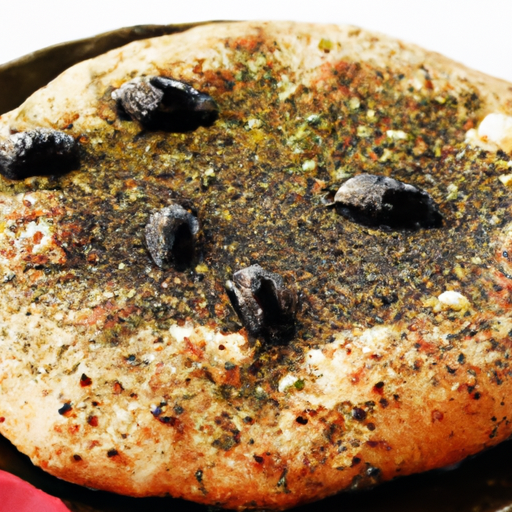
Mediterranean Za’atar Manakish Recipe

You’ve just stumbled upon the treasure trove of Mediterranean diet, and today’s highlight is the Mediterranean Za’atar Manakish Recipe. A flatbread sensation from the vibrant Middle Eastern food culture, it is an iconic dish steeped in tradition, combining the hearty benefits of Mediterranean diet with a burst of classic Lebanese flavors. Offering a savory symphony of simple yet exotic ingredients, this treat can perfectly satiate both your flavor cravings and your desire to live a healthy, balanced life.

The power of simplicity in this recipe shines through, while equally celebrating the bold flavors of the Mediterranean. Centering around a well-defined roadmap, this recipe guide breaks down the recipe into effortless steps, ensuring an authentic manakish experience right in your kitchen. Your journey will start with the basic introduction of the Mediterranean Za’atar Manakish, authentic ingredients you’ll need, precise cooking instructions, and possible substitutions for your customized culinary experiments. Right away, you will gain an understanding that resonates deeply with the essence of this traditional dish, allowing you to replicate it with authoritative confidence.

Mediterranean Zaatar Manakish Recipe

Introduction

You’re about to engage in a flavorful journey of preparing one of the most beloved breakfast foods in the Middle East: the Za’atar Manakish! Popularly known as the “Mediterranean pizza,” this delicious dish perfectly aligns with the principles of the Mediterranean diet. Laden with healthy ingredients and the unique spice blend, Za’atar Manakish brings you not only a delightful taste but also significant nutritional benefits.

Ingredients

Creating culinary magic with Za’atar Manakish requires the following:

Dough

  • 500 grams of all-purpose flour
  • 10 grams of dry yeast
  • 10 grams of sugar
  • 5 grams of salt
  • 300 milliliters of warm water
  • 30 milliliters of olive oil

Za’atar Topping

  • 100 grams of Za’atar spice mix
  • 150 milliliters of olive oil

Additional Toppings

  • 100 grams of black olives (optional)
  • 100 grams of chopped fresh mint leaves (optional)
  • 200 grams of sliced tomatoes (optional)

Mediterranean Zaatar Manakish Recipe

Preparation

The process of preparing Za’atar Manakish may consist of a few steps, but it’s relatively simple and absolutely worth the time.

Preparing the Dough

Start by dissolving your yeast and sugar in warm water and set it aside for about 10 minutes to activate. Meanwhile, mix your flour and salt in a large bowl and create a well in the center. Pour the yeast mixture and olive oil into the well, then start mixing until you form a ball of dough. Knead the dough on a floured surface for at least 10 minutes until it becomes smooth and elastic. Put your dough back into a clean, oiled bowl, and cover it with a clean cloth. Let it rest for around 2 hours or until the dough doubles in size.

Preparing the Za’atar Topping

While your dough is resting, it’s time to prepare the Za’atar topping. Za’atar is a blend of dried thyme, sesame seeds, dried marjoram, and sumac. Mix your Za’atar spice mix with olive oil in a bowl until it forms a paste-like consistency. This mixture will serve as the main topping of your Manakish.

Assembling and Baking the Manakish

Preheat your oven to 200 degrees Celsius. Roll out your dough into small round disks, each about 1/8-inch thick. Spread a generous amount of your Za’atar topping onto each disk. Include any additional toppings as desired, such as black olives, fresh mint leaves, or sliced tomatoes. Bake in the oven for about 10 to 15 minutes until your Manakish turns golden and crispy.

Options and Substitutions

Gluten-free Variation

If you’re sensitive to gluten, substitute all-purpose flour with any gluten-free flour. Just remember to use the proper ratios depending on the type of gluten-free flour you’re using.

Vegan Variation

The basic Manakish recipe is inherently vegan. However, if you’re adding other toppings, make sure they’re also vegan.

Additional Topping Ideas

Feel adventurous with your Manakish! You can consider adding sautéed spinach, grilled eggplant slices, roasted red peppers, or even feta cheese for a Greek twist.

Tips and Tricks

Proper Dough Handling

Ensuring your dough is properly handled is crucial to the texture of your Manakish. Always remember to knead thoroughly for a smooth and elastic dough.

Enhancing the Flavor

You can amplify your Manakish’s flavor by adding extra fresh herbs like parsley, or drizzling some lemon juice on top of it just before serving.

Storing and Reheating

Refrigerate any leftover Manakish in an airtight container. To reheat, use an oven or toaster oven instead of a microwave to retain its crispiness.

Conclusion

Making the Mediterranean Za’atar Manakish doesn’t just allow you to create a flavorful dish, it also gives you an experiential taste of the Mediterranean diet and lifestyle. In every bite, you discover the region’s penchant for fresh, wholesome food. As you have seen, the recipe can be easily tweaked to accommodate your preferences while still maintaining the dish’s fundamental characteristics. Bon appétit!

August 8, 2023 Food & Cooking

Mediterranean Pita Bread Recipe

Imagine sinking your teeth into a warm, soft, fluffy piece of pita bread, freshly baked from your own kitchen. Think about the beautiful aroma wafting through your home, the satisfying texture between your fingers, and the incredible feeling of accomplishment – all this is achievable with our Mediterranean Pita Bread Recipe. Crafting this essential staple of Mediterranean fare is an experience that not only enriches your culinary skills, but also aligns impeccably with the principles of the Mediterranean diet.

Your journey to savoring this delightful bread begins with understanding how core ingredients like whole wheat flour, olive oil, and yeast come together to form this humble, yet undeniably fulfilling creation. Baking your own pita bread will allow you to ensure every ingredient aligns with your diet, making it a healthier alternative to store-bought versions. As you navigate through each step of this detailed guide, from nurturing a perfect dough rise to achieving a beautiful golden-brown finish, you’ll find that each methodical stir and knead brings you closer to the heart of Mediterranean culinary artistry.

Mediterranean Pita Bread Recipe

Introduction

Mediterranean Pita Bread is a staple in many cuisines, particularly in the Mediterranean region. It’s a pocket-style flatbread that is versatile and delicious, and a perfect compliment to your Mediterranean diet. This round, soft, and fluffy bread can be filled with various ingredients, making it suitable for sandwiches or served alongside main dishes. Pita bread’s simplicity and tastiness will make you want to bake it regularly in your home. This guide will take you through the process of making your homemade Mediterranean Pita Bread.
Ingredients

Let’s begin with what you’ll need to make your Pita Bread. Just simple and basic ingredients are involved in this bread recipe. For a recipe that yields 4 servings, you’ll need:

  • Flour: 500 grams
  • Yeast: 2 teaspoons
  • Water: 250 milliliters, at room temperature
  • Salt: 1 teaspoon
  • Sugar: 1 teaspoon

The ingredients might seem basic, but they are the backbone of making soft, pillowy pita bread.

Mediterranean Pita Bread Recipe

Dough Preparation

Now, let’s move on to the journey of preparing the dough.

Activate the yeast

First, you have to activate the yeast. Mix the yeast with lukewarm water and add sugar. Stir it gently until the yeast and sugar are completely dissolved. Leave it for about 5-10 minutes. You will see the yeast bubbling up, which indicates that it’s ready to be used.

Mix the ingredients

After the yeast is activated, it’s time to mix all the ingredients. In a large bowl, put the flour, salt, water, and the activated yeast. Combine them together to form a slightly sticky dough.

Knead the dough

Now comes the crucial part; kneading the dough. Knead the dough on a floured surface for about ten minutes until it becomes smooth and elastic. This step may need some effort, but it is indeed rewarding!

Rising and Resting

Good things take time, and the rising of the dough is no exception.

First Rise

Cover the kneaded dough in a lightly oiled bowl and give it some resting time. Let it rise for about 1 to 1.5 hours, or until it doubles in size. This one-step is important to get the textural characteristic of Pita Bread.

Divide the dough

Once the dough has risen perfectly, punch out the air and divide it into equal-sized balls.

Second Rise

Give the dough balls another rise! Cover the dough balls and allow for a second rise for around 30 minutes. This will enable your Pita Bread to puff beautifully in the oven.

Cooking the Pita Bread

Now, it’s time for the final performance.

Preheat the oven

The first step in baking pita bread is crucial: preheating your oven to a high heat of 230 degrees Celsius (about 450 degrees Fahrenheit).

Shape the dough

Take each dough ball and roll it into a flat circle approximately 6-7 inches in diameter, and about a quarter of an inch thick.

Bake the pita bread

Transfer the rolled dough onto a baking sheet and bake in the preheated oven for about 10-15 minutes or until the bread puffs up and turns golden brown.

Options and Substitutions

Whole wheat flour

If you desire a healthier alternative or just prefer the taste, you can substitute the all-purpose flour with whole wheat flour. Keep in mind that whole wheat flour absorbs more water, so the dough may require a bit more water.

Additional flavorings

The beauty of pita bread is its simplicity, yet you can add your personal touch. Feel free to introduce additional flavors such as garlic powder, herbs, or even sesame seeds mixed into the dough to complement your dishes.

Using a bread machine

If kneading dough is not your thing, a bread machine can save your day. Follow the same steps and let the machine do the kneading. However, the shaping and baking still need the human touch!

Conclusion

That’s it! Homemade Mediterranean Pita Bread involves only humble ingredients and a few simple steps. It might need a bit of technique, but trust us, the result worths every bit of effort you put in. There’s nothing quite like the smell of freshly baked bread, and with this guide, you can enjoy that right in the comfort of your home. Not only it’s delicious, but it also fits perfectly in the healthy Mediterranean diet. Enjoy your baking journey!

August 8, 2023 Food & Recipes

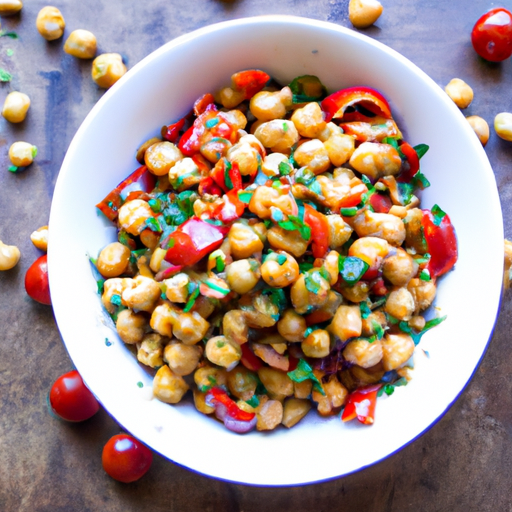
Mediterranean Chickpea & Chorizo Stew Recipe

You’re about to unveil the secrets of a phenomenal culinary gem from the panoramic coasts of the Mediterranean Sea – the quintessential Chickpea & Chorizo Stew. This mouth-watering delicacy, steeped in vibrant flavors and imbued with the wholesome essence of the Mediterranean Diet, holds within its hearty brew the promise of a sensational gastronomic journey.

Embarking on this culinary adventure requires wielding a well-defined recipe that respects the tradition of Mediterranean cooking while setting a table for four. Bespoke with details down to the last gram, this guide maps out your route, featuring an exhaustive list of ingredients, comprehensive cooking instructions, thoughtful options for ingredient substitutions, and a flavorful texture of words that add taste to your cooking process. Join hands with this recipe guide as it guides you, step-by-step, towards turning raw ingredients into a pot of Mediterranean magic.

Mediterranean Chickpea  Chorizo Stew Recipe

Introduction

The Mediterranean Chickpea & Chorizo Stew is a delightful recipe that perfectly embodies the flavours of the Mediterranean diet. This hearty and comforting dish is packed with nutritious chickpeas, a staple ingredient in Mediterranean cuisine known for its high fiber and protein content. Then, it’s savory chorizo for a burst of smoky spiciness and various vegetables that lend sweetness and crunch. The Mediterranean diet emphasizes on fresh, seasonal ingredients and moderate portions of high-quality lean meats, which is represented in this stew. This dish is not only delicious, it’s also easy to prepare and wonderful to share with your family or friends.

Ingredients

Here’s what you’ll need to prepare this Mediterranean Chickpea & Chorizo Stew for 4 servings:

  • 2 cups of dry chickpeas
  • 1 pound of chorizo, cut into chunks
  • 1 large onion, finely chopped
  • 4 cloves of garlic, minced
  • 1 large red bell pepper, diced
  • 4 ripe tomatoes, roughly chopped
  • 4 cups of vegetable broth
  • 2 teaspoons of paprika
  • 1 teaspoon of cumin
  • Salt and pepper to taste

Mediterranean Chickpea  Chorizo Stew Recipe

Preparation

Soaking the Chickpeas

Start off by soaking the chickpeas. It’s important to plan ahead as this step requires some time. Rinse the chickpeas under cold water and then place them in a large bowl. Cover them with plenty of water, and let them soak overnight or at least for 8 hours. The soaking process is critical for chickpeas, as it helps to soften them up and reduce the cooking time.

Cooking the Chorizo

Next, let’s take care of the chorizo. Heat a large pot over medium heat and add the chunks of chorizo. Cook until they are nicely browned and have released their flavorful oils. This will give the stew its unique, smoky taste. Once done, remove the chorizo from the pot and set it aside.

Sautéing the Vegetables

Using the same pot, add in your chopped onion, minced garlic and diced red bell pepper. Sauté them in the slightly spicy chorizo oil. Cook until the vegetables are soft and the onion is translucent, which should take about 5 to 7 minutes. These vegetables will form the aromatic base for your stew.

Adding the Spices and Tomatoes

Now, it’s time to add the spices. Stir in your paprika and cumin, then season with salt and pepper. Next, add your chopped tomatoes. The combination of these spices and tomatoes will create a rich and hearty flavor profile for your stew.

Simmering the Stew

Finally, drain the soaked chickpeas and add them to the pot, along with the cooked chorizo and the vegetable broth. Let the stew simmer for about 1 to 2 hours, or until the chickpeas are tender. This slow cooking process allows all the flavors to meld together beautifully.

Options/Substitutions

While this recipe is delicious as is, you’ve got a few options if you’d like to experiment or simply if there are some ingredients you cannot have. If you can’t find chorizo, you can substitute it with Italian sausage or even a turkey sausage for a low-fat option. For vegetarians, omit the chorizo and add more vegetables like zucchini or eggplant to make it a hearty vegetable stew. You could also use canned chickpeas if you’re short on time. Just remember to rinse them well before adding to the stew, to remove any excess sodium.

Conclusion

So there you have it: your very own home-cooked batch of Mediterranean Chickpea & Chorizo Stew. This nourishing, flavorful stew not only fills your home with wonderful aromas, it also promotes the healthy eating philosophy of the Mediterranean diet. The best part is, it’s flexible and easy to adapt to your taste or dietary requirements. So the next time you crave for something warm and comforting, you know what to whip up! Bon appétit!

August 8, 2023 Food & Recipes

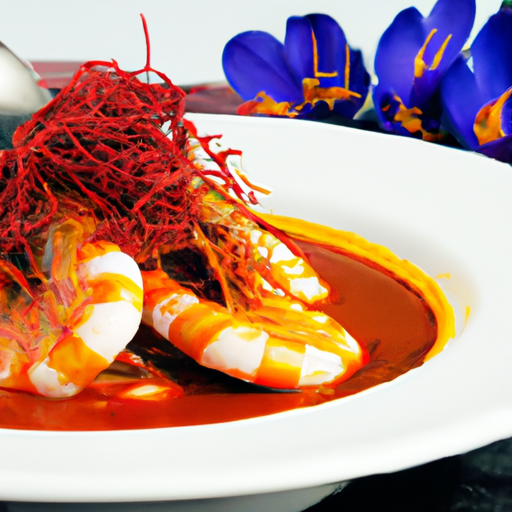
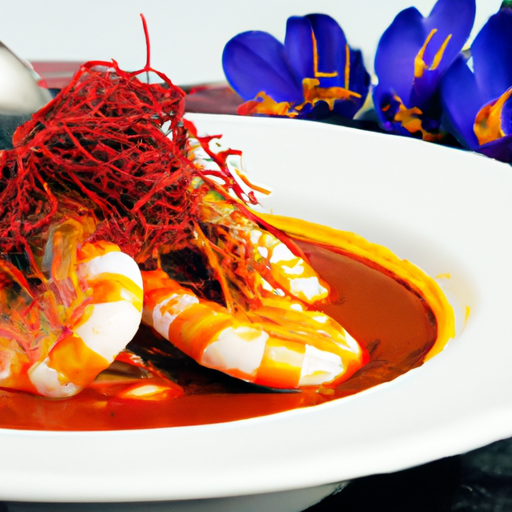
Mediterranean Saffron & Seafood Soup Recipe

Imagine the sun-drenched shores of the Mediterranean, and the gentle lapping of turquoise waves as you cast your eyes over a bubbling pot of golden-hued soup. The aroma of saffron and seafood wafts through the air, a tantalising reminder of the region’s rich gastronomic heritage. This is not a daydream about an idyllic seaside vacation; this is an invitation to discover the Mediterranean Saffron & Seafood Soup, a mouthwatering delight that embodies the essence of the Mediterranean diet.

Toning down the mystery and cranking up the marvel, this article will firmly guide your hands into creating this gourmet recipe. It will guide you every step of the way, from assembling the precisely measured ingredients to the nuances of the cooking process. Furthermore, it goes beyond the simplistic instructions to suggest options and substitutions, making this dish adaptable, without straying from its roots. This Mediterranean Saffron & Seafood Soup recipe is more than just a typical how-to; it’s a culinary journey that promises to transport your senses to a world of endless blue, dappled with the brilliance of the Mediterranean sun.

Mediterranean Saffron  Seafood Soup Recipe

Introduction

A Mediterranean Saffron & Seafood Soup is a hearty, flavorful journey into the heart of Mediterranean cuisine. Infused with an array of aromatic spices and brimming with delicious seafood, it epitomizes the core principles of the Mediterranean diet: healthful, fresh ingredients prepared in a way that marries nutrition with taste. This soup enlivens your palate, nourishes your body, and provides a satisfying meal that is ideal for a family dinner or a cozy gathering with friends. Here, we take you step by step through the preparation of this Mediterranean gem.

Ingredients

Saffron and Seasoning

The heart of this recipe lies in its rich and captivating seasoning. The star is saffron, a prized spice known for adding a vibrant golden hue and a unique earthy flavor. You’ll need two teaspoon of saffron threads. Other seasonings include two tablespoons each of dried oregano and thyme, lending a delightful herbal touch to your soup.

Seafood

The gist of this recipe is the seafood, which creates a depth of flavor and adds a hearty element. For this recipe, we are using one pound of cleaned shrimp, one pound of cleaned mussels, and half a pound of diced firm white fish. Be sure to purchase fresh, high-quality seafood for best results.

Vegetables

Add a vegetable powerhouse to your soup with two finely chopped onions, three diced carrots, and four diced celery stalks. These vegetables add a crunch to your soup while absorbing the spice and seafood flavors creating a delightful blend in each bite.

Soup Base

The soup base helps to combine the ingredients and enrich the flavors. You will need six cups of fish stock to create the depth of flavor necessary for this soup.

Garnish

Adding garnish personalizes and amplifies your soup. We recommend using four tablespoons of freshly chopped parsley and two tablespoons of fresh lemon juice for a lively, citrusy kick.

Mediterranean Saffron  Seafood Soup Recipe

Cooking and Preparation Instructions

Preparing the Seafood

Begin by rinsing your seafood under cold water, removing any dirt or shells from the shrimp and mussels. For the fish, ensure it is descaled and cut into bite-sized chunks. Set them aside for the time being.

Preparing the Vegetables

For the vegetables, begin by peeling and then finely chopping the onions. Next, peel and dice your carrots and celery stalks into even-sized pieces.

Making the Soup Base

In a large pot, heat some olive oil over medium heat. Once hot, add your chopped onions, carrots, and celery to the pot. Cook until the onions are translucent, around 5-7 minutes. Then, add your fish stock to the pot, along with your dried herbs and saffron. Stir well, turn the heat to low, and allow to simmer.

Cooking the Soup

After around 30 minutes of simmering, add your prepared seafood to the soup. Stir to ensure it is well combined, then allow your soup to continue simmering for another 15-20 minutes. This will allow the seafood to cook thoroughly.

Adjusting the Seasoning

Taste your soup and adjust the seasoning as required. This may mean adding a bit more saffron or herbs, or seasoning with salt and pepper.

Serving the Soup

Once your soup is fully cooked, serve it hot. Drizzle some fresh lemon juice and sprinkle freshly chopped parsley on the top of each serving as a garnish.

Options and Substitutions

Vegetarian Variation

If you prefer a vegetarian version of this dish, you can substitute the seafood with hearty vegetables like zucchini, bell peppers, or eggplant. Use vegetable stock instead of fish stock.

Different Seafood Options

Feel free to substitute the seafood with whatever you prefer or what is locally available to you. Scallops, calamari, or crab would be delicious alternatives.

Alternative Garnishes

The garnish of parsley and lemon is just a suggestion. Feel free to experiment with other herbs such as dill, basil, or garnishes like zest of lemon or red chili flakes for extra heat.

Conclusion

So there you have it, a delightful Mediterranean Saffron & Seafood Soup that ain’t just a flavor bomb but also a wholesome meal packed full of nutrients. With its rich colors, aromatic flavors, and hearty ingredients, this soup certainly takes center stage at the dining table. Try cooking this Mediterranean gem today and let it transport you and your loved ones to the heart of the Mediterranean Diet, a gastronomical journey that is worth every delicious bite.

August 8, 2023 Food & Cooking

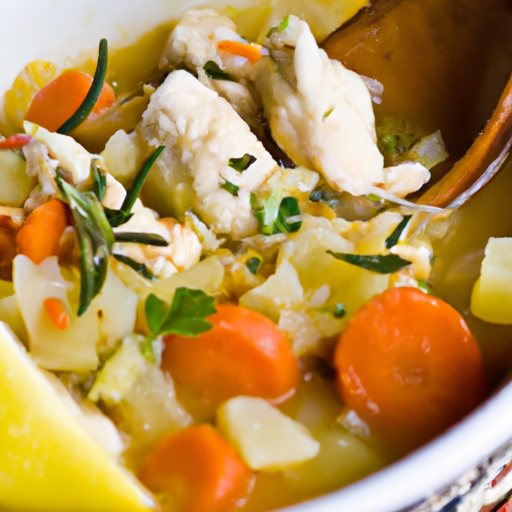
Mediterranean Chicken & Orzo Soup Recipe

Imagine a perfectly comforting, warm bowl of chicken soup, now blend it with the rich tapestry of Mediterranean flavors that dance beautifully on the palate. Yes, you guessed right, the delicacy we have today is the Mediterranean Chicken & Orzo Soup! Deliciously seasoned, served with the wholesome goodness of orzo, it not only pleases your taste buds but also firmly aligns itself with the venerated Mediterranean Diet. So, if you’re on the quest for sumptuous healthfulness, this unique blend of ingredients is sure to be a game-changer for your regular meal plan.

In the instructions that follow, you will find explicit measurements for an ideal serving for four adult individuals, thus enabling you to curate the perfect feast for your family and friends. From detailing out the ingredients to exact preparation steps, each aspect is carefully designed for your ease. And for those adventurous in the kitchen, we’ve also outlined alternative options and substitutions. So, get ready to embrace the aromatic essence of this Mediterranean Chicken & Orzo Soup recipe, as it promises to take you on a gastronomical cruise to the Mediterranean!

Mediterranean Chicken  Orzo Soup Recipe

Introduction

Welcome, dear readers, to another extraordinary recipe that you will want to share with your friends and family! Today, we are guiding you through the preparation of a heartwarming Mediterranean Chicken & Orzo soup. This inviting dish fits perfectly into the Mediterranean Diet, which advocates for veggies, lean proteins, and whole grains. It is a combination of hearty chicken, delicate orzo pasta, and a rich assortment of vegetables. As a bonus, it is incredibly simple to make and exudes a fragrant aroma that will fill your home. Let’s dive into the specific ingredients you’ll need.

Ingredients

This recipe serves four adults, making it perfect for a family meal. Here are the exact ingredients you’ll need:

  • 2 chicken breasts: This lean meat is our main source of protein in this dish.
  • 1 cup of uncooked orzo pasta: Designed to complement the soup’s texture and add a delightfully tender bite.
  • 2 tablespoons of olive oil: A staple in Mediterranean cooking for sauteing and enhancing flavour.
  • 1 medium-sized onion: Chopped finely to infuse the soup with a discrete tangy sweetness.
  • 3 garlic cloves: Minced finely to add depth and extraordinary aromatics.
  • 2 medium-sized carrots: Diced to provide a hint of naturally sweet flavours and some crunch.
  • 2 celery stalks: Diced to enhance the texture spectrum and add a subtle fresh tinge.
  • 1 can of diced tomatoes: A source of tangy and robust flavors, which deepen as the soup simmers.
  • 4 cups of chicken broth: Provides a rich, hearty base for our soup.
  • 2 cups of fresh spinach leaves: These will wilt down into glorious green streaks, adding a splash of color and a helping of essential nutrients.

Mediterranean Chicken  Orzo Soup Recipe

Cooking and Preparation Instructions

Cook the Chicken

Starting with the chicken, season the breasts with your favourite spices and place them in the oven at 375 °F for 25-30 minutes. Once cooked through, remove them from the oven and let cool before shredding into small, bite-sized pieces.

Cook the Orzo Pasta

While the chicken is cooking, start boiling a pot of salty water for your orzo pasta. Once the water is boiling, add the pasta and cook according to the package instructions until al dente. When finished, strain the pasta and set it aside under, running cool water over it to halt the cooking process.

Saute the Vegetables

In a large soup pot, heat your olive oil over medium heat. Add your finely chopped onion, minced garlic, diced carrots, and celery stalks to the pot, sautéing until they become fragrant and the onions become translucent. This process should take about 10 minutes.

Add the Broth and Tomatoes

Next, stir in your canned diced tomatoes along with the rich chicken broth. Increase your heat to bring these liquids to a boil and allow the flavours from the tomatoes and vegetables to meld beautifully together.

Simmer the Soup

After your mixture has come to the boil, reduce your heat and let your soup simmer for about 15 minutes. This patience allows for all the flavours to develop fully, creating a hearty and uplifting broth to soothe your soul.

Add the Cooked Chicken and Spinach

After your soup has simmered, it’s time to add your shredded chicken and fresh spinach leaves. The heat from the soup will naturally wilt the spinach while warming the chicken perfectly. Stir to combine and cook for another 2-3 minutes.

Voila! Your Mediterranean Chicken & Orzo Soup is ready to enjoy!

Options/Substitutions

Vegetarian Version

The chicken can be easily substituted with tofu or chickpeas for those looking for a vegetarian alternative. Use vegetable broth instead of chicken broth to keep it entirely vegetarian.

Gluten-free Version

A gluten-free orzo alternative can be used, or you can swap it out for a naturally gluten-free grain like quinoa.

Vegan Version

Substitute the chicken for tofu and the chicken broth for vegetable broth to make your soup vegan-friendly.

Conclusion

And just like that, you’ve completed your Mediterranean Chicken & Orzo Soup! Delicious and nutritious, this soup is not only friendly to your taste buds, but also to various dietary preferences with our provided substitutions. This recipe embodies the signature features of the Mediterranean diet – simplicity, wholesomeness, and depth of flavour. We hope this meal brings a comforting warmth to your table and serves as a delightful addition to your culinary repertoire. Enjoy with a slice of crusty bread and some good company! Happy cooking!

  • « Go to Previous Page
  • Go to page 1
  • Interim pages omitted …
  • Go to page 32
  • Go to page 33
  • Go to page 34
  • Go to page 35
  • Go to page 36
  • Interim pages omitted …
  • Go to page 64
  • Go to Next Page »

Primary Sidebar

Hey y’all!

Hello and welcome to MediterraneanDietRecipes.net My name is JD, and I’m a 46-year-old father of three amazing children. My family is my world, and my main goal in life is to stay healthy and live long enough to see my children grow up, have children of their own, and to be an active, engaged, and supportive grandparent.

Being an older father, I understand that time is precious, and I want to make the most of it by ensuring that I am in the best possible shape physically, mentally, and emotionally. My journey started with a deep dive into the research on longevity and the lifestyle choices that can help me achieve my goals. Dig deeper →

Footer

Stay Connected

  • Bloglovin
  • Facebook
  • Instagram
  • Pinterest
  • Twitter

Copyright © 2026 · MEDITERRANEAN DIET RECIPES